
The Indianapolis Motor Speedway is the original “Brickyard” and still the clearest benchmark for comparing major NASCAR and IndyCar venues. Its scale, age, racing history, and dual use make it different from almost every other track in North America. NASCAR venues often focus on stock car spectacle, banking, and side-by-side pack racing. IndyCar venues range more widely, from high-speed ovals to tight street circuits and technical road courses.
TLDR: The Brickyard, formally Indianapolis Motor Speedway, is a 2.5-mile oval best known for the Indianapolis 500 and the NASCAR Brickyard 400. For example, a fan comparing venues could see IndyCar average speeds above 230 mph in qualifying at Indianapolis, while NASCAR racing there is slower but heavier and more strategic. IMS can host more than 250,000 seated spectators, which puts it well above most NASCAR and IndyCar sites. It is not just another oval; it is the reference point many other venues are measured against.
Why the Brickyard Stands Apart
The nickname “Brickyard” comes from the 3.2 million bricks used to pave the track in 1909. Most of that surface is now asphalt, but a strip of original bricks remains at the start-finish line. Drivers still kiss the bricks after major wins, a ritual that has become one of racing’s most recognizable traditions.
Indianapolis Motor Speedway, opened in 1909, is older than many professional sports venues still in regular use. Its oval layout is simple on paper: four turns, two long straightaways, and two short chutes. Yet that simplicity is deceptive. The corners have modest banking of about 9.2 degrees, which makes the track less forgiving than steeply banked NASCAR superspeedways.
At Indianapolis, speed comes from precision. A small mistake entering Turn 1 can ruin an entire lap. The walls are close. The racing line is narrow. Passing takes planning, not just horsepower.
IMS Compared With NASCAR Venues
NASCAR races on a broad mix of tracks. Some are massive superspeedways. Others are short tracks, intermediate ovals, road courses, or hybrid layouts. Compared with that group, the Brickyard is unusual because it is flat, fast, and historically tied to open-wheel racing.
Consider these common NASCAR venue types:
- Daytona International Speedway: 2.5 miles, high banking, drafting-heavy racing, frequent pack movement.
- Talladega Superspeedway: 2.66 miles, extreme drafting, large lead packs, high crash risk.
- Bristol Motor Speedway: 0.533 miles, short-track contact, steep banking, constant traffic.
- Martinsville Speedway: 0.526 miles, flat corners, heavy braking, bumping, and tire management.
- Charlotte Motor Speedway: 1.5 miles, intermediate oval, a key model for modern NASCAR facilities.
The Brickyard does not race like Daytona or Talladega, even though it shares a similar length with Daytona. Indianapolis has far less banking. Cars cannot rely on the same type of drafting trains. NASCAR races at IMS tend to reward clean air, corner exit speed, pit strategy, and discipline.
That has created debate among stock car fans. Some love the prestige of winning at Indianapolis. Others argue the racing product can feel processional compared with Daytona, Bristol, or Kansas. Honestly, it feels frustrating when a venue with so much status produces fewer natural passing chances in stock cars. Still, a Brickyard win carries rare weight. Drivers know it.
IMS Compared With IndyCar Venues
For IndyCar, Indianapolis is not just another stop. It is the center of the sport’s identity. The Indianapolis 500 remains the biggest race on the calendar and one of the most important motor races in the world.
IndyCar also races at many types of venues:
- Ovals: Indianapolis, Iowa, World Wide Technology Raceway, Texas in past seasons, and others depending on the schedule.
- Road courses: Road America, Mid-Ohio, Barber Motorsports Park, Laguna Seca.
- Street circuits: Long Beach, St. Petersburg, Detroit, Toronto, and Nashville in recent schedules.
Compared with a street circuit, IMS rewards rhythm and raw speed. Compared with a road course, it offers fewer braking zones and fewer corner types. Compared with a short oval like Iowa, it demands patience over a longer lap and punishes aerodynamic imbalance at very high speed.
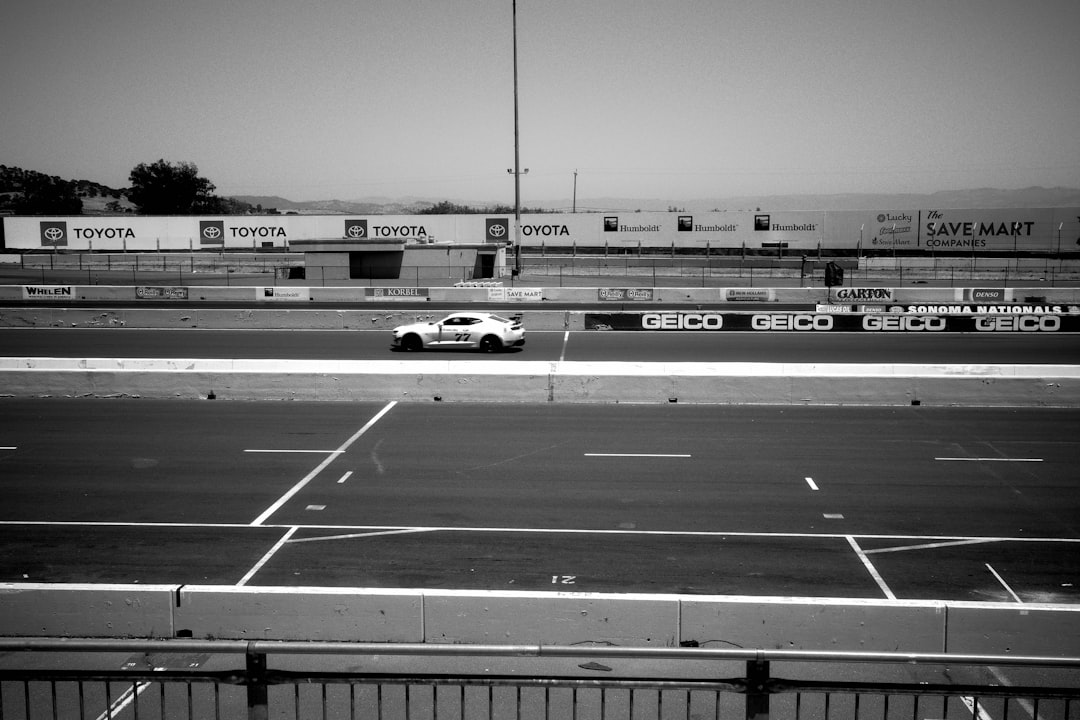
IndyCar’s relationship with IMS is also technical. Teams spend months preparing for May. Aerodynamics, engine mapping, tire wear, pit stop timing, and traffic behavior all matter. A car that is quick alone may struggle in dirty air. A driver who is fast in qualifying may not have the best race setup.
Road Course Use at the Brickyard
Indianapolis is not only an oval. The facility also includes an interior road course. IndyCar has used it for the Grand Prix of Indianapolis, and NASCAR used a version of the road course for several events before the Brickyard 400 returned to the oval.
This matters because it shows how flexible IMS has become. The oval remains the soul of the venue, but the road course adds variety. It also gives NASCAR and IndyCar a way to race at the same property with very different demands.
On the road course, braking zones, curbs, tire falloff, and passing into tighter corners become central. On the oval, momentum and aerodynamic balance dominate. Same venue. Very different job.
Fan Experience and Scale
The Brickyard is enormous. Its seating capacity has changed over time, but it remains one of the largest sports facilities in the world. A major race at IMS can feel more like a city-wide event than a normal race weekend.
That scale creates benefits and drawbacks.
- Benefits: deep history, huge crowds, strong traditions, large infield areas, and major-race atmosphere.
- Drawbacks: long walks, traffic delays, spread-out viewing areas, and seats that may feel far from the action.
At Bristol or Martinsville, fans are closer to the action. The sound is tighter and more intense. At a street race like Long Beach, fans see cars near buildings and barriers in a dense urban setting. At Indianapolis, the appeal is scale, speed, and ritual. It is less intimate, but far grander.
Racing Quality: Different Cars, Different Results
A track cannot be judged fairly without considering the cars. Indy cars are lighter, more aerodynamically sensitive, and much faster at IMS. Stock cars are heavier and less suited to the flat, narrow oval profile. That difference explains why the same track can produce a classic IndyCar race and a more strategic NASCAR race.
For NASCAR, tracks with progressive banking or multiple grooves often create more visible passing. Kansas, Homestead, and Las Vegas can offer broader racing lanes. Short tracks create contact and restarts. Superspeedways create drafting drama. Indianapolis offers something else: pressure. One small error can cost track position that takes a full fuel run to recover.
For IndyCar, IMS produces a special mix of danger and elegance. Passing into Turn 1 can be breathtaking. Drafting helps, but timing matters. A driver must judge air, momentum, and risk at more than 220 mph. There is no casual lap at Indianapolis.
Image not found in postmetaWhich Venue Type Is Best?
There is no single winner. The best venue depends on what a fan values.
- For tradition: Indianapolis Motor Speedway is hard to beat.
- For constant NASCAR action: Bristol, Martinsville, Daytona, or Talladega may be more appealing.
- For technical IndyCar racing: Road America, Barber, and Laguna Seca offer more corner variety.
- For speed and pressure: the Brickyard remains one of the top stages in motorsport.
The Brickyard is not perfect. Some races there are tense rather than wild. Some fans want more passing. Some sightlines require patience. Still, Indianapolis Motor Speedway has a rare place in both NASCAR and IndyCar. It is a venue where winning changes a driver’s résumé. That is why teams still treat it with unusual respect.
Bottom line: NASCAR venues often beat the Brickyard for close-quarters action, while IndyCar venues may offer more varied technical challenges. But for history, speed, scale, and career prestige, Indianapolis Motor Speedway remains the standard that few racing venues can match.


