Padel is the easiest racquet sport to love if you want rallies, laughs, and quick progress without needing a monster serve. It sits between tennis and pickleball. It has the speed of tennis, the social feel of doubles, and the simple entry point of pickleball. That is why Padel Sporting has become such a popular idea for clubs, families, and players who want fun first.
TLDR: Padel is usually easier to start than tennis and more athletic than pickleball. A new player can often enjoy a real rally in the first 10 minutes, because the glass walls keep the ball alive. For example, in a group of 20 beginners, around 70% may feel match ready after one session, while tennis often takes more lessons before rallies feel steady. Pick tennis for tradition, pickleball for low strain, and padel for fast fun with friends.
What Is Padel Sporting?
Padel Sporting is the fun side of padel culture. It is not just about winning points. It is about the whole scene. Friends book a court. Four players jump in. Music plays nearby. Someone misses an easy ball and everyone laughs. Then the next point starts in three seconds.
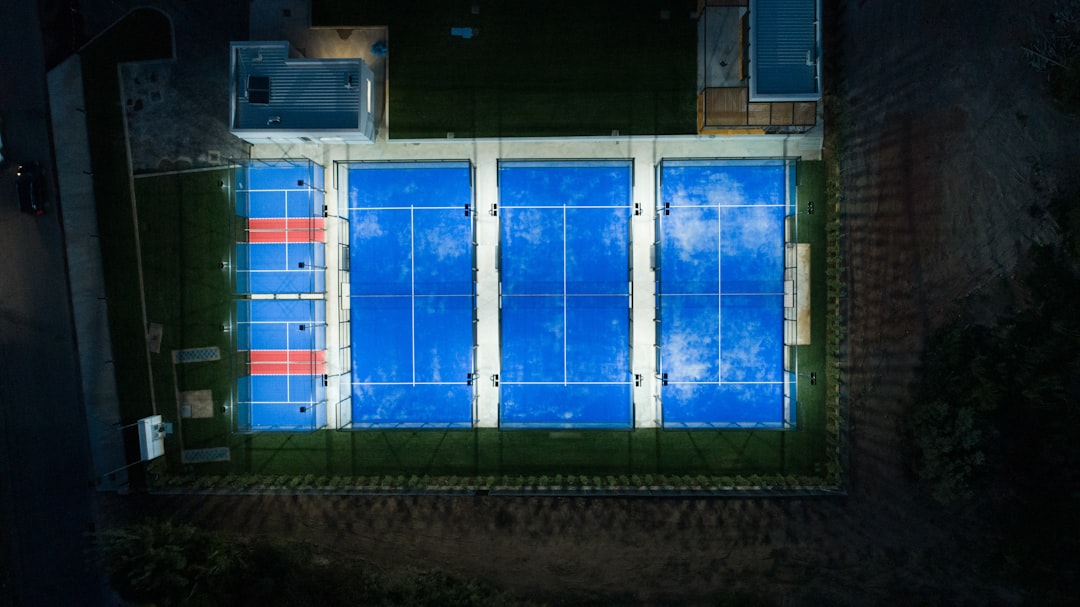
Padel is played on a small court with glass walls. It is almost always doubles. The racquet is solid, short, and easy to swing. The ball looks like a tennis ball, but it has a little less bounce.
The best part? The walls are in play. If the ball bounces once, it can hit the glass and still be returned. This makes rallies longer. It also makes the game feel clever, not brutal.
Padel vs Tennis: The Big Difference
Tennis is the grand classic. It has history, big stadiums, and iconic rivalries. It also has a steep learning curve. The serve alone can make beginners groan.
Padel is kinder at the start. The serve is underhand. The court is smaller. The racquet is easier to control. You do not need to blast the ball. In fact, smashing every shot is often a bad plan.
Tennis rewards power, precision, and deep skill. Padel rewards teamwork, timing, and smart angles.
- Court size: Tennis courts are much bigger.
- Serve: Tennis uses overhead serves. Padel uses underhand serves.
- Rallies: Padel rallies are often longer for beginners.
- Gear: Tennis racquets have strings. Padel racquets are solid with holes.
- Fitness: Tennis needs more sprinting. Padel needs quick reactions.
If you love long training arcs, tennis is amazing. If you want to play a decent match this weekend, padel may feel better.
Padel vs Pickleball: Which Feels More Fun?
Pickleball is simple, social, and very easy to learn. It uses a paddle and a plastic ball. The court is small. The game is popular with many age groups, especially because it is gentle on the body.
Padel feels more athletic. The ball moves faster. The glass adds tricks. You turn, recover, and react. It can feel like tennis mixed with squash, but without the lonely part. You always have a partner.
Pickleball is great for low impact play. Padel is better if you want sweat, teamwork, and chaos in a good way.
- Pickleball: Best for easy rallies and low strain.
- Padel: Best for athletic fun and social doubles.
- Tennis: Best for tradition and solo skill growth.
Honestly, it feels like some clubs still make booking a padel court harder than it should be. You tap through five screens, wait 12 seconds, then find out only 10 p.m. is free. Great. Very helpful. Still, people keep coming back because the game itself is worth the hassle.
Why Padel Hooks New Players So Fast
Padel gives beginners a rare gift. It lets them play, not just practice. You do not spend the whole first hour chasing balls into a fence.
The court helps you. The walls help you. Your partner helps you. Even a bad shot can turn into a weird winner. That keeps people smiling.
Here is why it works:
- Short racquet: Easier to control.
- Underhand serve: Less pressure from point one.
- Doubles format: You share the work.
- Walls: More second chances.
- Short points at first: Less waiting, more action.
Fitness: Which Sport Burns More?
All three sports can give you a proper workout. The difference is how that workout feels.
Tennis often has longer runs. You cover more space. Singles tennis can be tough. Your legs and lungs will know about it.
Pickleball can be lighter. It still burns calories, especially in competitive doubles. Yet many casual games stay comfortable.
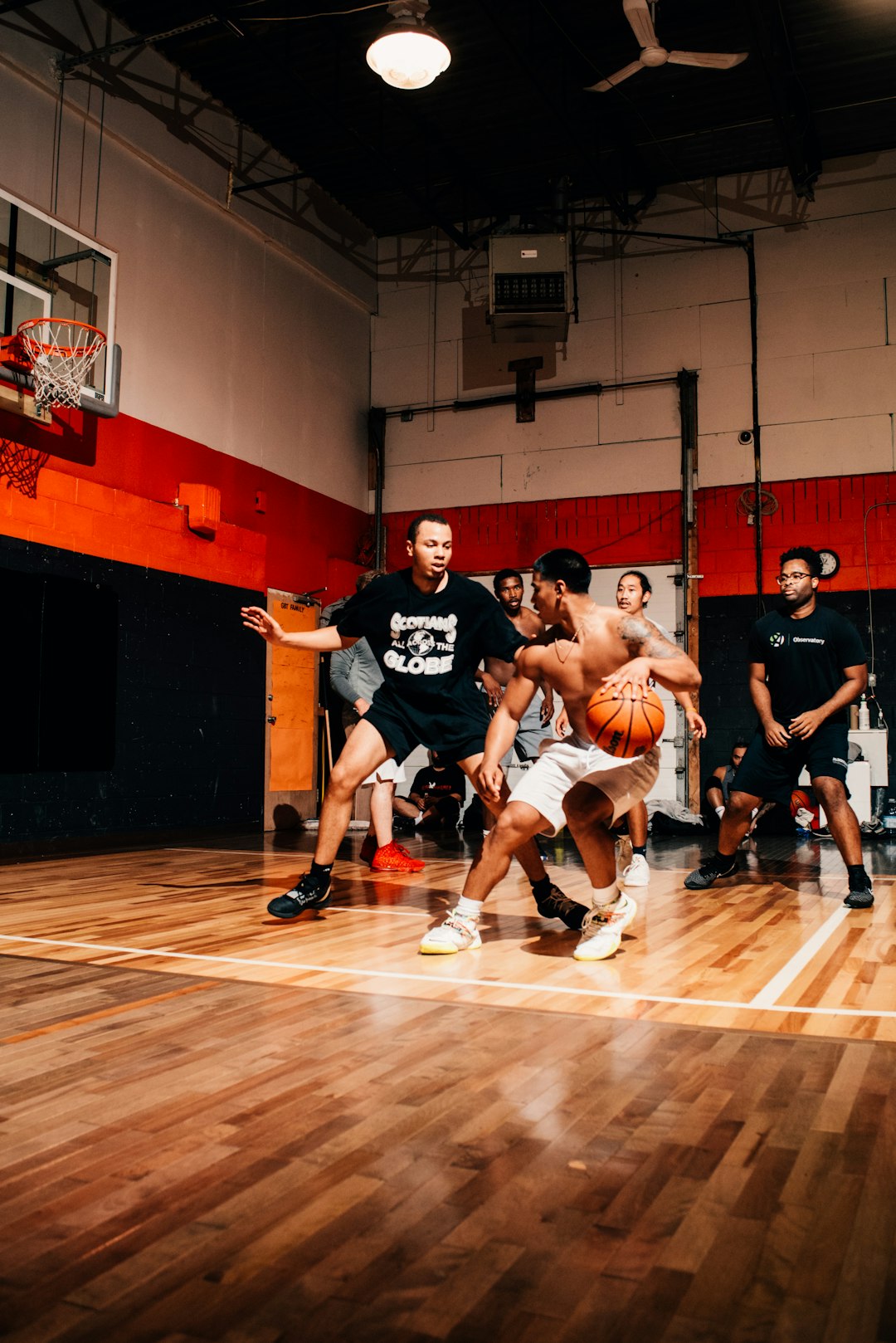
Padel sits in the middle. You move in short bursts. You squat. You twist. You react. A typical one hour doubles match can burn roughly 350 to 600 calories, depending on pace, body size, and skill level.
The sneaky part is that padel does not always feel like exercise. You are too busy yelling “mine,” then changing your mind.
Skill Style: Power or Brain?
Tennis loves clean technique. A strong forehand can rule a match. A big serve can win free points. Bad footwork gets punished fast.
Pickleball loves touch. The soft game matters. Dinks, blocks, and placement can beat power.
Padel loves problem solving. You must read the glass. You must know when to lob. You must resist smashing every high ball. That last one drives people mad. The obvious shot is not always the right shot.
Padel is chess with sweat. But not boring chess. More like chess where someone keeps bouncing a ball off a wall behind you.
Gear: What Do You Need?
Padel gear is simple. You need a padel racquet, balls, court shoes, and comfortable clothes. That is it.
The racquet shape matters:
- Round racquet: Best for beginners and control.
- Teardrop racquet: Good balance of power and control.
- Diamond racquet: More power, less forgiveness.
For most new players, a round racquet is the smart choice. Do not buy the most aggressive model on day one. Your shoulder may file a complaint.
Who Should Choose Each Sport?
Choose padel if you want a social, quick, exciting game. It is ideal for groups of four. It suits players who like rallies and tactics but do not want years of frustration before having fun.
Choose tennis if you enjoy deep skill building. It is perfect if you like one on one competition. It also has the strongest pro culture and the biggest global events.
Choose pickleball if you want something easy, friendly, and lighter on joints. It is great for mixed ages and casual community play.

The Social Side Matters
Padel wins many fans because it feels like a group activity. Tennis can be social too, of course. Pickleball is famously chatty. But padel has a party feeling built into the format.
You play close to your partner. Points restart fast. Rallies get silly. The walls create surprise moments. Nobody stays quiet for long.
This makes it useful for clubs and workplaces. A company team event with padel is easier to arrange than a tennis tournament. The skill gap hurts less. Beginners can join without feeling useless.
Final Pick: Padel, Tennis, or Pickleball?
If you want the most complete sport, tennis still has a strong case. It is deep, beautiful, and demanding. If you want the easiest social game, pickleball is hard to beat.
But if you want the best mix of fun, fitness, and fast learning, padel is the sweet spot. It feels fresh without being confusing. It is sporty without being harsh. It is social without being slow.
That is the real appeal of Padel Sporting. You do not need to be a pro. You do not need a perfect serve. You just need three people, a court, and a willingness to laugh when the glass wins the point.


