
Narendra Modi Stadium in Ahmedabad, India, is usually ranked as the world’s largest traditional sports stadium, with a listed capacity of about 132,000 fans. That puts it well ahead of every current NFL and MLB venue, and even ahead of the biggest college football stadiums in the United States.
TLDR: The world’s biggest stadium depends on the definition, but Narendra Modi Stadium leads among traditional enclosed stadiums at around 132,000 seats. By comparison, the NFL’s largest regular stadiums sit near 82,000, MLB’s largest parks are closer to 56,000, and college football’s biggest venues top 107,000. For example, Narendra Modi Stadium holds about 60% more fans than MetLife Stadium, one of the NFL’s largest venues. A fan planning a “biggest stadium” trip would likely pick Indian cricket or Big Ten football before choosing an NFL or MLB site.
What Counts as the World’s Largest Sports Stadium?
The answer sounds simple, but it gets messy fast. The catch is that stadium rankings often mix seating capacity, total crowd capacity, and temporary event capacity. That can change the order.
If the focus is on a traditional stadium with fixed seating and regular sports use, Narendra Modi Stadium is the clear leader. It was rebuilt and reopened in 2020. It hosts cricket, especially major Indian national team matches and Indian Premier League events.
If all sports venues are included, Indianapolis Motor Speedway enters the debate. It has more than 250,000 permanent seats and can host even larger crowds with infield attendance. Still, many comparisons separate speedways from stadiums because the layout, viewing experience, and event type are so different.
Honestly, it feels like stadium capacity lists make this harder than it should be. Some venues report exact seats. Others include standing room. A few use record attendance from one special event. That is how a clean comparison turns into a 20-minute search with three different answers.

Largest Stadiums in the World by Capacity
The biggest stadiums are not all in the same sport. Cricket, college football, soccer, and multiuse national stadiums all appear near the top.
- Narendra Modi Stadium, India: about 132,000, mainly cricket.
- Rungrado 1st of May Stadium, North Korea: often listed near 114,000, used for soccer, ceremonies, and national events.
- Michigan Stadium, United States: about 107,601, college football.
- Beaver Stadium, United States: about 106,572, college football.
- Ohio Stadium, United States: about 102,780, college football.
- Kyle Field, United States: about 102,733, college football.
These numbers show one key point. College football is the United States’ capacity king. The NFL may be richer and more global as a TV product, but college football wins when the topic is giant stadiums packed with weekly crowds.
How NFL Stadiums Compare
NFL stadiums are huge by normal standards, but they are not close to the global top. Most modern NFL venues target comfort, premium seating, suites, club spaces, video boards, and year-round event use. That often matters more than raw seat count.
The largest NFL stadiums by listed capacity include:
- MetLife Stadium, New Jersey: about 82,500, home of the Giants and Jets.
- FedExField, Maryland: capacity has changed over time, now often listed below its former peak.
- Lambeau Field, Wisconsin: about 81,000+, home of the Packers.
- AT&T Stadium, Texas: about 80,000 seated, expandable for major events.
AT&T Stadium is a useful example. Its regular seated capacity is not the largest in the world, or even far above its NFL peers. Yet it can pack in more fans for certain events with standing room. That is why it can host massive football games, concerts, boxing cards, and international soccer matches.
Still, NFL venues are smaller than the largest college football stadiums by a wide gap. Michigan Stadium can hold roughly 25,000 more fans than MetLife Stadium. That is almost the size of a small arena crowd added on top.

How MLB Ballparks Compare
MLB ballparks are a different breed. Baseball does not need the same seating bowl shape as football. Sightlines matter in another way. Ballparks also sell identity through quirks, outfield walls, skyline views, bullpens, decks, and historic features.
The biggest MLB stadium by capacity is usually Dodger Stadium, listed at about 56,000. It is followed by parks such as Coors Field, which sits around 50,000. Most MLB parks fall somewhere in the 35,000 to 45,000 range.
That makes MLB look small next to cricket and college football. Narendra Modi Stadium can hold more than two Dodger Stadium crowds. A sold-out baseball park may feel loud and full, but the scale is not in the same category.
There is a reason for that. Baseball has 81 regular-season home games per team. NFL teams have far fewer home games. College football teams often host only six to eight home games. Scarcity helps football fill huge venues. Baseball needs capacity that works on a Tuesday night in April as well as during a pennant race.
Why College Football Stadiums Are So Large
College football has a culture built around the stadium day. Tailgating, marching bands, alumni trips, student sections, and regional pride all push demand. In places such as Ann Arbor, State College, Columbus, and College Station, the stadium becomes the center of town for one day each week.
That is why the United States has several of the largest stadiums on Earth. Michigan Stadium, known as “The Big House,” is the top American stadium by listed capacity. Beaver Stadium and Ohio Stadium follow closely.
These venues also prove that the NFL is not the only football giant. The NFL wins in media money, franchise value, and national reach. College football wins in sheer stadium size.
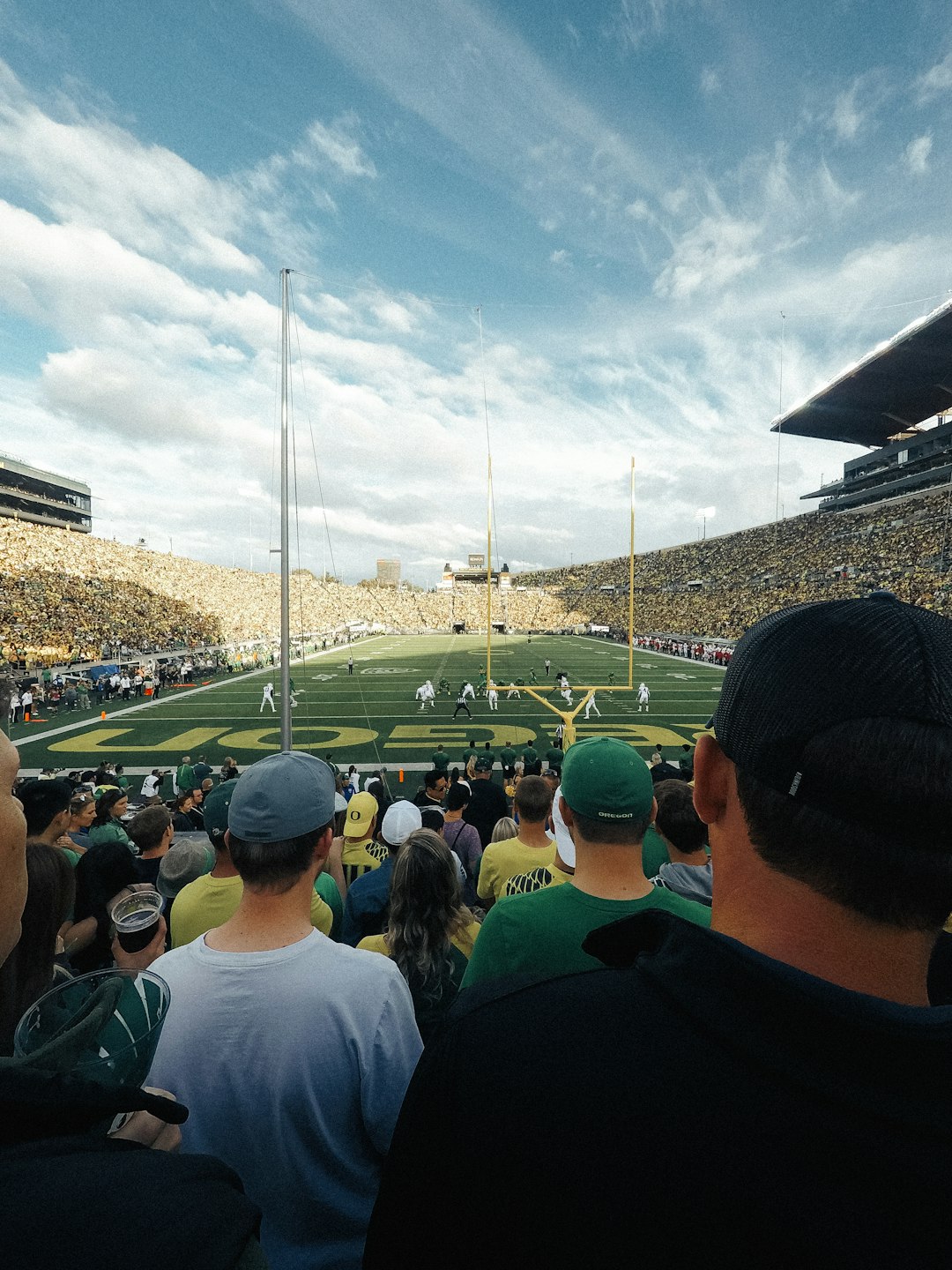
Biggest Stadiums vs. Best Stadiums
Capacity does not always mean a better fan experience. A giant stadium can create noise, spectacle, and status. It can also create long walks, slow exits, crowded concourses, and distant upper-deck views.
Smaller stadiums can feel sharper and louder. Many MLB parks prove this. A 40,000-seat ballpark with great sightlines may feel more personal than a 100,000-seat bowl. NFL venues also compete through technology, roof design, food, lounges, and field visibility.
For owners and operators, the math is practical. More seats can mean more ticket revenue. But premium suites, sponsorship zones, and media facilities can produce more income than thousands of cheap upper-level seats. That is one reason newer pro venues do not always chase record capacity.
Quick Comparison by Sport
- Cricket: Holds the current traditional stadium capacity crown with Narendra Modi Stadium.
- College football: Dominates the United States in maximum stadium size.
- NFL: Large venues, but more focused on premium design and event flexibility.
- MLB: Smaller parks by design, shaped by long seasons and baseball sightlines.
- Motorsports: Can beat everyone in crowd size, but speedways are often counted separately.
The simplest answer is this: Narendra Modi Stadium is the world’s largest traditional sports stadium, while Michigan Stadium is the largest in the United States among major stadiums. NFL stadiums are big, but not record-setting by global capacity. MLB parks are iconic, but they are built for a different rhythm.
FAQ
What is the largest sports stadium in the world?
Narendra Modi Stadium in Ahmedabad, India, is widely listed as the largest traditional sports stadium, with a capacity of about 132,000.
Is Indianapolis Motor Speedway bigger than Narendra Modi Stadium?
Yes, by total venue seating. Indianapolis Motor Speedway has more than 250,000 permanent seats, but it is a motorsports venue, not a traditional stadium bowl.
What is the largest NFL stadium?
MetLife Stadium is usually listed among the largest NFL stadiums, with about 82,500 seats. AT&T Stadium can hold more for special events when standing room is included.
What is the largest MLB stadium?
Dodger Stadium is the largest MLB ballpark by listed capacity, at about 56,000.
What is the largest college football stadium?
Michigan Stadium is the largest college football stadium, with a listed capacity of about 107,601.
Why are college football stadiums bigger than NFL stadiums?
College football has fewer home games, strong alumni demand, huge student sections, and deep regional loyalty. That allows schools to fill stadiums with more than 100,000 fans.


