
Darts is a precision game beloved by millions across the globe, played in pubs, tournaments, and homes alike. Though simple in appearance—just a dartboard and a few darts—the game has a fascinating set of rules and scoring mechanics that can sometimes confuse even seasoned players. One of the most commonly asked questions, especially by newcomers, is about the value of the bullseye: how many points is a bullseye worth in darts? Understanding this detail not only demystifies the scoring system but also deepens your appreciation for the skill involved in the game.
TLDR
The bullseye in darts is divided into two main sections: the outer bullseye, which scores 25 points, and the inner bullseye, which scores 50 points. The inner bullseye is sometimes referred to as the “double bull.” These segments play significant roles in various dart games, especially those requiring precise scoring like 501 and Cricket. Hitting a bullseye can be a game-changer depending on the scoring situation.
Understanding the Dartboard Layout
To properly grasp how bullseyes are scored, it’s essential to first understand the layout of a standard dartboard. A traditional dartboard is divided into several scoring zones:
- Numbered segments (1 to 20): These make up the large, pie-shaped areas of the board, each representing a different point value.
- Double ring: The outermost thin ring that doubles the score of the segment it’s in.
- Triple ring: The inner thin ring that triples the segment score.
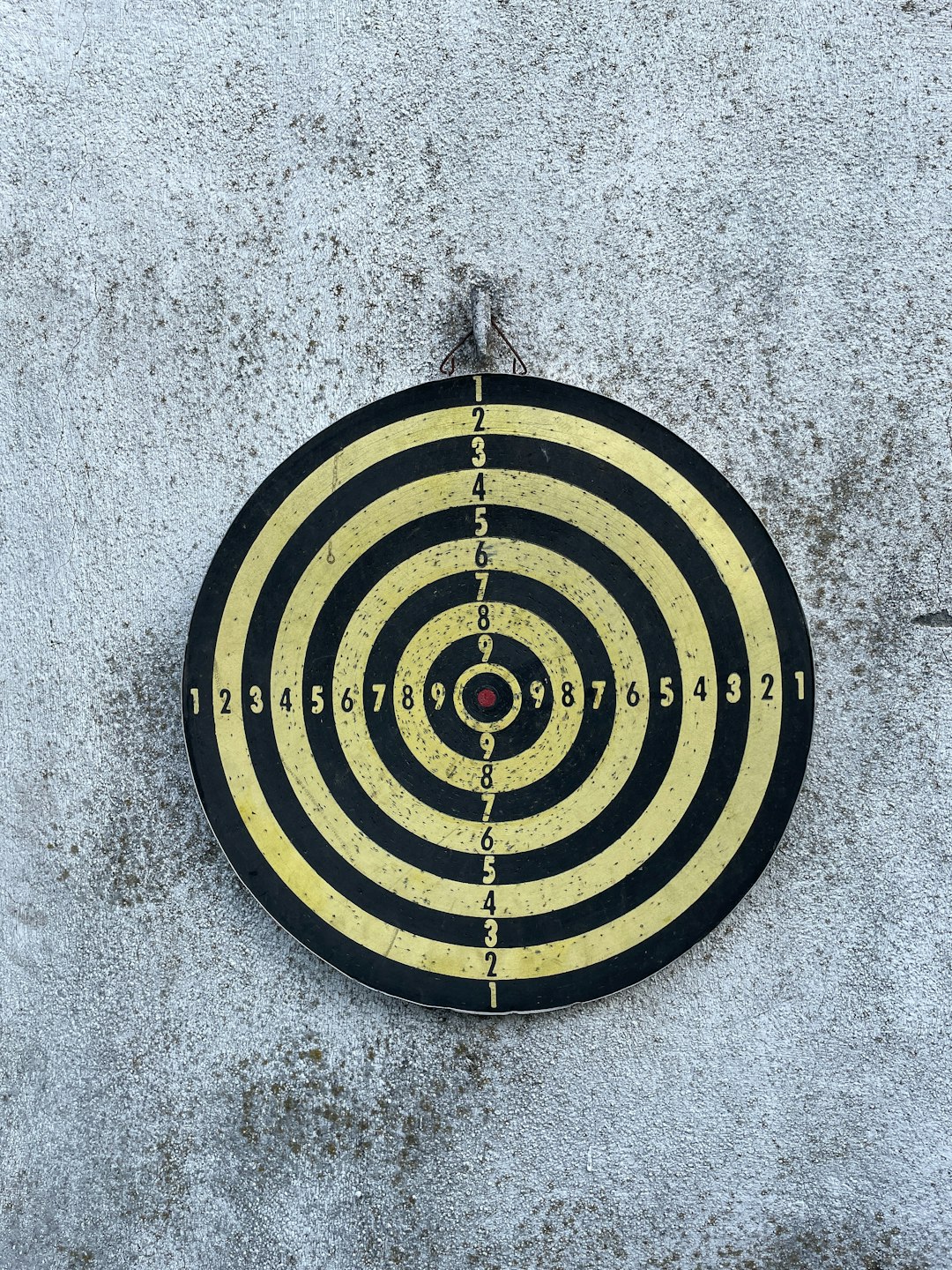
- Outer bullseye (“single bull”): A ring surrounding the inner bullseye, worth 25 points.
- Inner bullseye (“double bull” or “bull”): The very center circle, worth 50 points.
How Many Points Is a Bullseye?
The bullseye is made up of two scoring areas:
- Outer Bullseye (Single Bull): Worth 25 points.
- Inner Bullseye (Double Bull): Worth 50 points.
Both sections of the bullseye play important roles in different variants of the game, and understanding their point values is key to strategic play.
The Inner Bullseye: 50 Points
The innermost circle is worth 50 points and is often called the “double bull.” It’s the highest single throw you can score on the board without hitting a treble segment. Because of its high value and difficulty, the inner bullseye is targeted in many high-stakes scenarios, particularly in finishing combinations.
The Outer Bullseye: 25 Points
The ring encircling the inner bullseye is known as the “single bull” or outer bullseye and is worth 25 points. While this may be lower than a treble 20 (which is worth 60), it is a strategic target, especially when attempting to reduce your score to a manageable number for checkout or when playing games like Cricket.
Why the Bullseye Matters
Though not always the target of top players aiming for the 60-point treble 20, the bullseye carries a unique importance. Here’s why:
- Checkout Potential: In 501 and other scoring games, players must finish on a double. The inner bullseye (50 points) is a double and can be used to finish a game if timed correctly. For example, if a player has 50 points remaining, hitting the double bull ends the game.
- Skill Display: The bullseye is a small, centralized target, and regularly landing it demonstrates excellent control and accuracy.
- Game Requirements: In Cricket, the bullseye is an active scoring and closing target, adding another layer of complexity to the match.
The Bullseye in Different Games
Various dart games treat the bullseye differently. Below are a few popular modes and how they incorporate bullseye scoring:
501 and 301
These are popular professional games where players start with a fixed score (like 501 or 301) and subtract their total until they reach zero—requiring a double to finish. The inner bullseye is considered a double and can be used to conclude the game. Hitting a single outer bullseye deducts 25 points, while the double bull deducts 50.
Cricket
In Cricket, each player must “close” specific numbers (15-20) and the bullseye. Both inner and outer bullseyes typically count the same, with the inner bull sometimes being worth double. Points can be scored from the bullseye after it’s closed by one player but not yet by the other, making it a strategic weapon.
Around the Clock
In this warming-up or training game, players hit numbers from 1 through 20 in sequence and then aim for the bullseye to finish. This encourages players to target each section of the board thoroughly, ending with the most challenging: the inner bull.
Strategy and Skill in Targeting the Bullseye
While the bullseye is central and tempting for players, expert dart throwers often avoid aiming for it unless the situation demands it. Why? Because:
- The bullseye is much smaller than segments like treble 20 and thus harder to hit.
- Treble 20 (worth 60 points) scores higher than either bullseye section.
- It’s a less optimal target unless specific game conditions require it (e.g., closing bulls in Cricket or finishing on a double in 501).
That said, being able to hit the bullseye consistently can give a player a psychological and practical edge in a variety of game scenarios.
Competition and Bullseye Accuracy
In world championships and professional leagues, players are known to specialize in precision targeting. The bullseye becomes increasingly important during tiebreakers, where a throw to the bull can determine who begins a leg or match. In these instances, players throw one dart each at the bullseye, and the closest dart wins the advantage.
Summarizing Dart Bullseye Points and Use
To wrap up, whether you’re just getting started or fine-tuning your tournament strategy, remember the following:
- Outer Bullseye: 25 points
- Inner Bullseye (Double Bull): 50 points
- Used in: Variety of games including 501, Cricket, and tiebreakers
- Utility: Finishing games, strategic scoring, and demonstrating precision
While aiming for those treble 20s might seem like the obvious choice for max scoring, don’t underestimate the tactical value the bullseye can bring to your game plan. An accurate bullseye throw at the right moment can be the difference between triumph and defeat.
Final Thoughts
The dartboard’s bullseye is more than just its symbolic center—it plays a crucial role in scorekeeping, strategy, and gameplay dynamics. Depending on the game you’re playing, hitting that 25 or 50 could be the most important dart you throw all day.
So next time you’re at the line, remember: the bullseye isn’t just a flashy shot—it’s a calculated move, steeped in technique and timing.