
Darts is a precision sport that combines accuracy, consistency, and mental focus. While it is often associated with casual pub play, darts at its core is a disciplined game with clear rules, structured scoring, and technique-driven performance. For beginners, understanding the setup, equipment, stance, and scoring system is essential to build confidence and develop reliable skills. With proper guidance and consistent practice, anyone can learn to play darts effectively.
TLDR: Darts is a skill-based game that requires proper setup, correct throwing technique, and an understanding of scoring rules. Beginners should focus on stance, grip, and controlled release before worrying about advanced strategies. Learning basic formats like 301 or 501 makes it easier to practice effectively. Consistency and discipline are more important than strength or speed.
Understanding the Dartboard
Before throwing your first dart, it is essential to understand the structure of a standard dartboard. Most organized play uses a bristle dartboard made of sisal fibers. The board is divided into 20 numbered sections, radiating from the center.
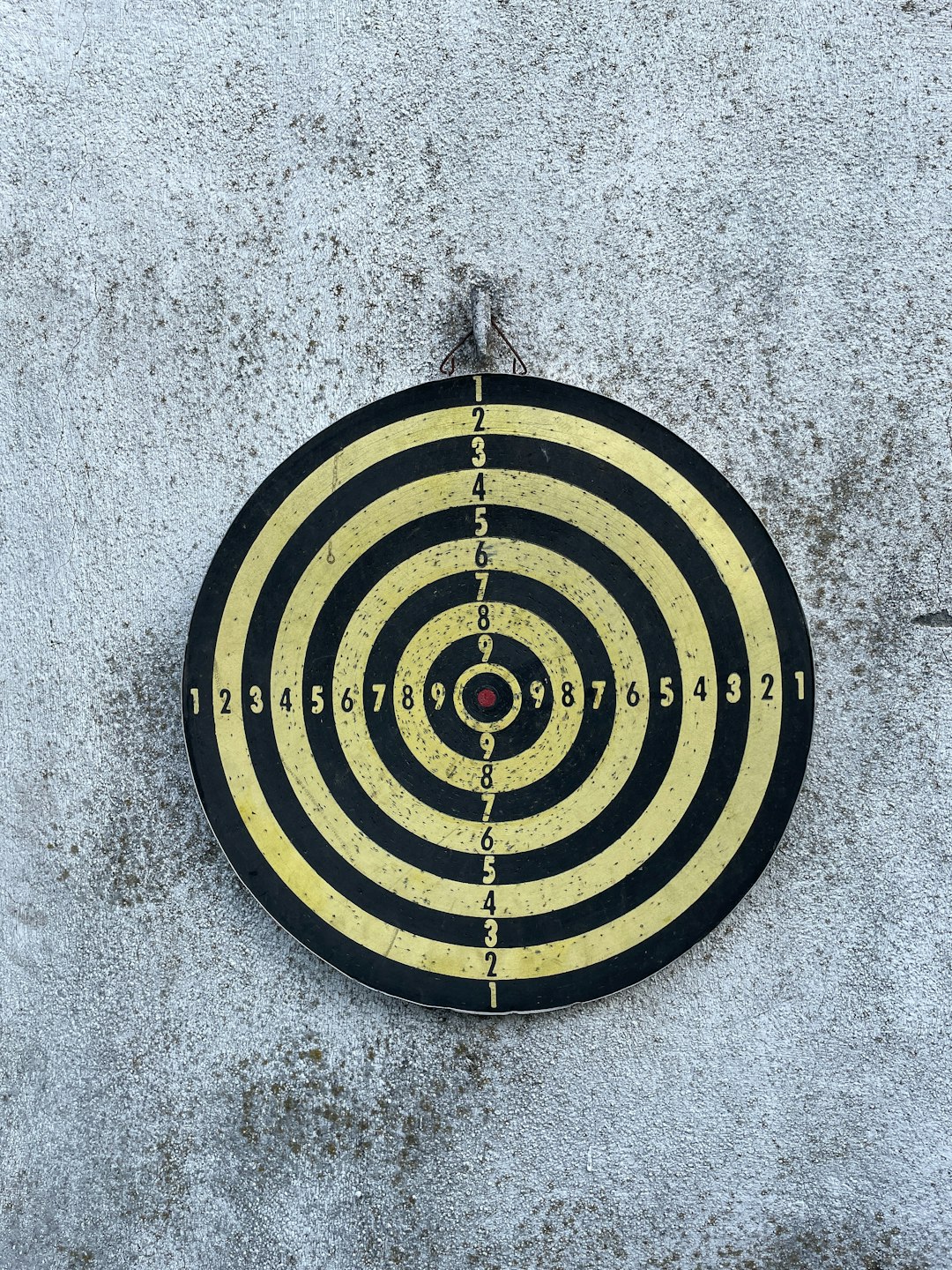
Each section contains multiple scoring areas:
- Single area: The large inner portion of each numbered segment.
- Double ring: The thin outer ring; scores double the number hit.
- Triple ring: The thin inner ring; scores triple the number hit.
- Outer bull (25): The green ring around the center.
- Inner bull (50): The small red center circle.
The board height and throwing distance are standardized:
- Board height: 5 feet 8 inches (1.73 meters) from floor to center bull.
- Throwing distance: 7 feet 9.25 inches (2.37 meters) from the front of the board to the oche (throw line).
Setting up your board correctly ensures that your practice mirrors real gameplay conditions.
Types of Darts and Equipment
Choosing the right equipment can significantly impact your early progress. Beginners should focus on comfort and balance rather than appearance.
- Dart Barrels: Usually made of brass, nickel, or tungsten. Tungsten darts are slimmer and allow tighter grouping.
- Weights: Most steel-tip darts weigh between 20 and 26 grams. Beginners often prefer 22–24 grams for stability.
- Shafts: Connect the barrel to the flight. Available in different lengths to adjust balance.
- Flights: Stabilize the dart during flight. Standard flights offer maximum control for beginners.
Recommendation: Start with a mid-range tungsten dart around 23 grams. It offers balance, durability, and consistency.
How to Hold a Dart (Grip Fundamentals)
Your grip influences release accuracy and consistency. There is no universal “correct” grip, but there are core principles that apply to everyone.
Key grip fundamentals:
- Hold the dart with 3 to 4 fingers.
- Keep tension firm but not tight.
- Avoid squeezing; tension causes erratic throws.
- Keep fingers off the flight whenever possible.
The dart should feel balanced in your hand, often resting slightly toward the barrel’s center of gravity. Experiment carefully and choose a grip that feels natural and repeatable.
Proper Stance and Body Position
Stability begins from the ground up. A consistent stance creates a solid foundation for every throw.

Basic stance steps:
- Stand behind the oche without crossing the line.
- Place your dominant foot forward.
- Distribute most of your weight on the front foot.
- Keep your body turned slightly sideways.
- Lean forward just enough for comfort and balance.
Your head should remain steady, with dominant eye aligned toward your target. Avoid excessive body movement during the throw.
The Throwing Technique
Darts is a controlled motion exercise—not a power sport. Proper mechanics rely on smooth, repeatable action.
The throwing motion consists of four phases:
- Aim: Raise the dart to eye level and focus on a small target area.
- Draw back: Bend your elbow while keeping your upper arm mostly still.
- Release: Extend the forearm forward and release smoothly.
- Follow-through: Allow your hand to continue naturally toward the target.
Only your forearm should move significantly. Minimize shoulder and wrist overuse. Think of the motion as similar to gently tossing a paper airplane toward a precise point.
Common beginner mistake: Throwing too hard. Accuracy improves when power is reduced and control increases.
Basic Scoring Rules
Understanding scoring formats is critical. While there are many variations, most organized games center around 301 or 501.
How 501 Works
- Each player starts with 501 points.
- Players take turns throwing three darts.
- Points scored are subtracted from 501.
- The game must end on a double.
Example: If you have 40 points remaining, you must hit double 20 to win.
If a player scores more points than remaining (called a “bust”), the score resets to what it was before that turn.
Other Beginner-Friendly Games
- 301: Shorter format, great for quick practice.
- Around the Clock: Hit numbers 1 through 20 in order.
- Cricket: Close numbers 15–20 and bull before opponent.
Beginners should start with 301 or Around the Clock to build accuracy without complex finishing strategies.
Developing Accuracy and Consistency
Improvement in darts comes from structured repetition. Random throwing may feel productive but yields slower progress.

Effective practice drills:
- Throw exclusively at single 20 for 10 minutes.
- Aim only at doubles for a full session.
- Practice grouping darts in a tight cluster.
- Play Around the Clock under time pressure.
Track your results. For example, record how many darts it takes to complete Around the Clock. Objective tracking highlights measurable improvement.
Common Beginner Mistakes
Avoiding errors early prevents bad habits from forming.
- Overpowering the dart: Results in unstable flight.
- Changing grip too often: Reduces consistency.
- Moving feet during throw: Breaks balance.
- Rushing shots: Compromises focus.
- Ignoring follow-through: Leads to inconsistent grouping.
Darts rewards discipline. Make deliberate, controlled throws. Small adjustments yield better results than drastic changes.
Mental Approach to the Game
Darts is as much mental as physical. High-level performance depends on focus and composure.
Key mental principles:
- Commit fully to each target.
- Accept mistakes quickly; do not dwell on missed shots.
- Maintain a consistent pre-throw routine.
- Focus on process, not outcome.
Confidence grows from repetition. A consistent routine before every throw builds rhythm and stability under pressure.
Safety and Etiquette
Even in casual settings, proper dart etiquette ensures safety and fairness.
- Never cross the oche while someone is throwing.
- Wait until all darts are thrown before retrieving.
- Remove darts carefully and twist gently from the board.
- Respect turn order.
Good etiquette reflects seriousness and professionalism, whether you are playing at home or in formal competition.
Creating a Practice Plan
Consistency beats intensity. A structured weekly plan produces measurable improvement.
Sample beginner weekly plan:
- Day 1: 20 minutes single 20 practice + one 301 game.
- Day 2: Double practice session.
- Day 3: Around the Clock timed attempt.
- Day 4: 501 full game simulation.
Even 20–30 minutes per session is sufficient when practice is focused and deliberate.
Progressing Beyond the Basics
Once fundamentals are stable, advance toward:
- Checkout strategies in 501.
- Advanced scoring setups.
- Competitive league participation.
- Improved grouping on triple 20.
Mastery takes time. Professionals achieve high averages because their fundamentals are perfected—not because of dramatic or flashy technique.
Final Thoughts
Learning how to play darts begins with understanding structure and discipline. Proper setup, stable stance, controlled throw, and clear scoring knowledge form the foundation of success. Beginners should prioritize consistency over aggression and focus on measurable improvement rather than instant results.
Darts rewards patience, precision, and mental resilience. With steady practice and attention to technique, even a novice can develop accuracy and competitive confidence. Approach the game seriously, respect its mechanics, and improvement will follow.