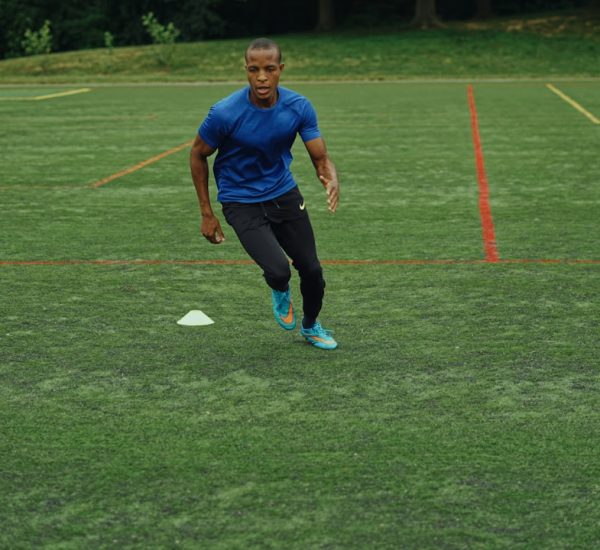
You have seen one at the gym. Long. Shiny. Heavy. Maybe a little intimidating. The Olympic bar is the king of the weight room. But how much does an Olympic bar weigh? The answer is simple. And also a little more detailed than you might think.
TLDR: A standard men’s Olympic bar weighs 45 pounds (20 kilograms). A standard women’s Olympic bar weighs 33 pounds (15 kilograms). There are also specialty bars that weigh more or less. Always check the bar before lifting so you know exactly what you are working with.
Let’s break it down in a fun and simple way.
The Standard Olympic Bar Weight
When most people ask this question, they mean the standard men’s Olympic barbell.
- Men’s Olympic bar: 45 pounds (20 kg)
- Women’s Olympic bar: 33 pounds (15 kg)
That is the official weight used in Olympic weightlifting competitions. It is the same standard used in most gyms around the world.
The 45-pound bar is the one you will see most often. It is used for:
- Bench press
- Squats
- Deadlifts
- Overhead press
- Olympic lifts like snatch and clean and jerk
If you load a 45-pound plate on each side, you are not lifting 90 pounds. You are lifting 135 pounds total. Many beginners forget to count the bar. Do not be that person.
What Makes an Olympic Bar “Olympic”?
An Olympic bar is not just any long metal stick. It has specific features.
- Length of about 7 feet (men’s bar)
- Rotating sleeves on the ends
- 2-inch thick sleeves for Olympic plates
- Knurling for grip
- High weight capacity
The rotating sleeves are important. They spin smoothly. This reduces stress on your wrists during explosive lifts.
Here is what a typical Olympic bar looks like:
Image not found in postmetaIt looks simple. But it is carefully engineered.
Men’s vs Women’s Olympic Bars
Many people do not realize there are different versions.
The key differences are not just weight. They also include length and thickness.
Men’s Olympic Bar
- Weight: 45 lb (20 kg)
- Length: About 7.2 feet
- Diameter: 28–29 mm
Women’s Olympic Bar
- Weight: 33 lb (15 kg)
- Length: About 6.5 feet
- Diameter: 25 mm
The women’s bar is thinner. This makes it easier to grip, especially for people with smaller hands.
Both bars are strong. Both can handle heavy loads. The difference is mostly about fit and comfort.
Olympic Bar vs Standard Bar
Now here is where many people get confused.
Not all bars are Olympic bars.
There are also “standard” bars. These are usually found in home gyms.
Key Differences
- Olympic bar sleeves are 2 inches thick
- Standard bar sleeves are 1 inch thick
- Olympic bars are heavier and stronger
- Standard bars are lighter and cheaper
A standard bar usually weighs between 15 to 25 pounds. There is no strict rule.
This is why you should never assume the bar weight. Always ask. Or put it on a scale.
Comparison Chart
| Bar Type | Weight | Length | Best For |
|---|---|---|---|
| Men’s Olympic Bar | 45 lb (20 kg) | 7.2 ft | Heavy lifting, powerlifting, Olympic lifting |
| Women’s Olympic Bar | 33 lb (15 kg) | 6.5 ft | Olympic lifting, general training |
| Standard Bar | 15–25 lb | 5–6 ft | Home gyms, lighter training |
| Technique Bar | 10–15 lb | Varies | Beginners, learning form |
What About Specialty Bars?
There are many other types of bars. And they all weigh something different.
Here are a few common ones:
- EZ Curl Bar: 15–25 lb
- Trap Bar (Hex Bar): 45–75 lb
- Safety Squat Bar: 60–70 lb
- Axle Bar: 45–75 lb
Trap bars are often heavier than people expect. Some weigh 55 pounds. Others weigh 70 pounds.
Safety squat bars feel heavier because of the padding and shape. But the actual weight depends on the brand.
Here is what a trap bar looks like:
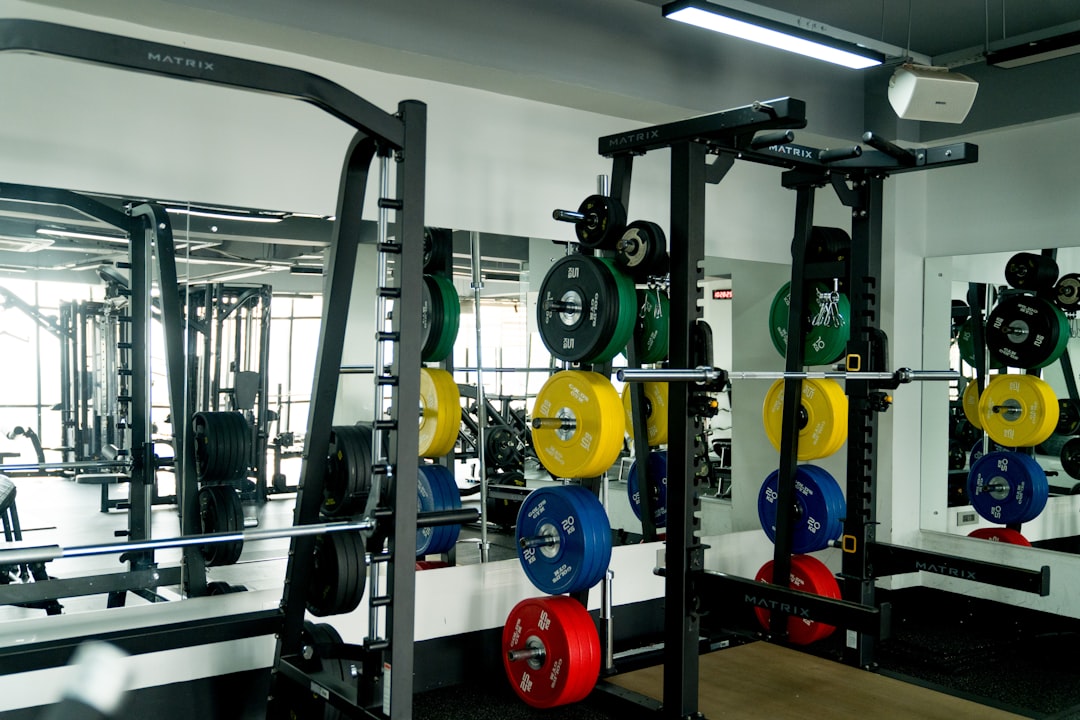
See how different it is? That is why you must always check.
Why the Exact Weight Matters
You might think, “It is just a few pounds. Who cares?”
But those few pounds matter.
If you are:
- Tracking progress
- Competing
- Following a strict program
- Trying to hit a personal record
Accuracy is important.
Imagine thinking you deadlifted 300 pounds. But the bar was 55 pounds instead of 45. That is a 10-pound difference.
That is not small.
How to Tell What Bar You Are Using
Here are a few easy clues.
1. Check the End Cap
Many bars have the weight printed on the end.
2. Measure the Length
If it is about 7 feet long, it is probably a men’s Olympic bar.
3. Look at the Thickness
Women’s bars are slightly thinner.
4. Ask the Staff
This is the easiest option.
5. Weigh It
Place it on a scale. Problem solved.
Fun Fact: It Is Not Just About Weight
Two bars can weigh the same. Yet feel totally different.
Why?
- Knurling texture
- Bar stiffness
- Whip (flexibility)
- Sleeve rotation
Olympic weightlifting bars have more “whip.” They bend slightly during heavy lifts. Powerlifting bars are stiffer.
Advanced lifters can feel the difference instantly.
Here is a close-up view of knurling:
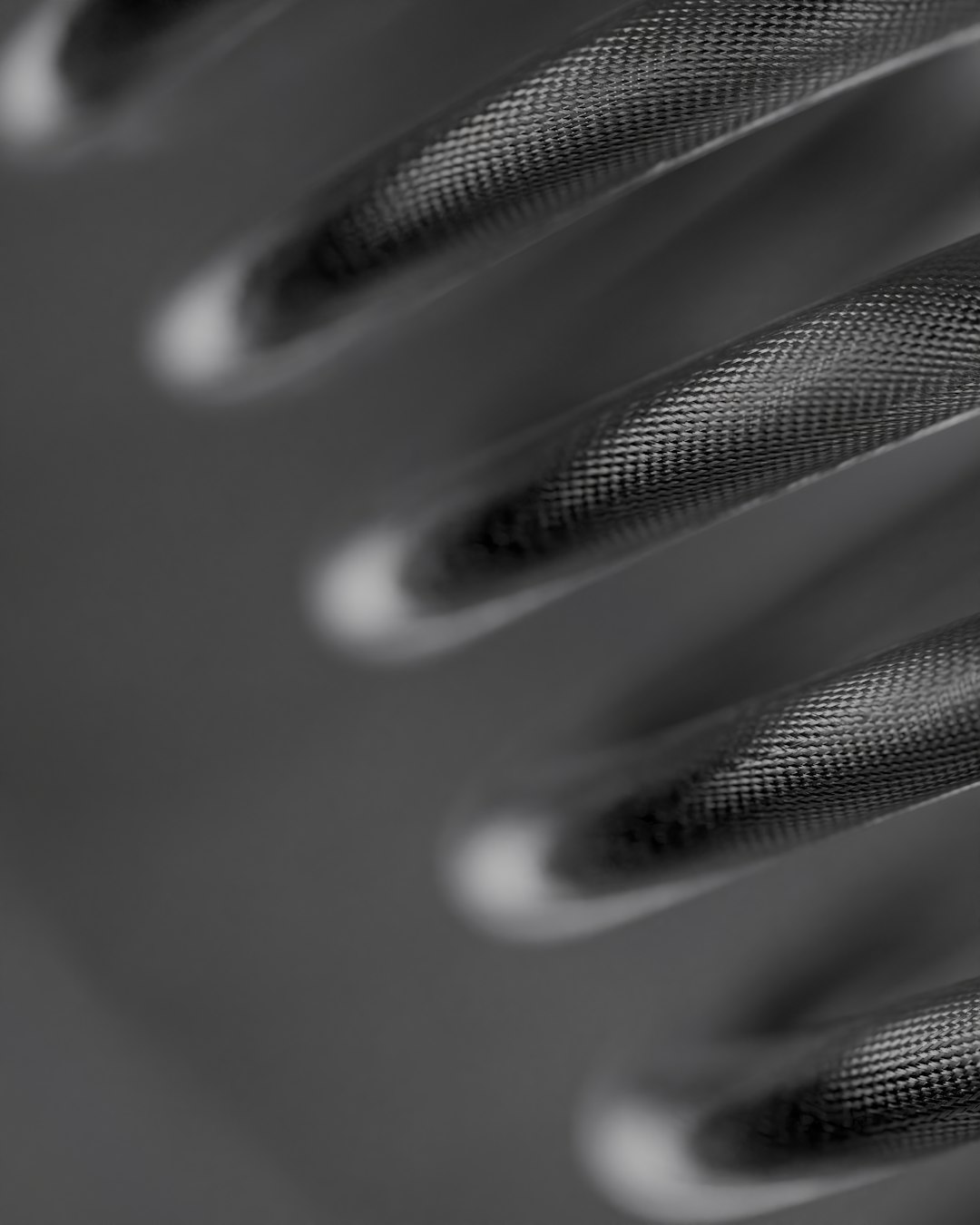
Those tiny rough patterns help you grip the bar safely.
How Much Weight Can an Olympic Bar Hold?
This is another common question.
A quality Olympic bar can hold:
- 600 pounds
- 1,000 pounds
- Or even more
It depends on the tensile strength of the steel.
Most commercial gym bars are built for heavy abuse. They are made to survive drops. And lots of them.
Cheap bars bend faster. Good bars last for years.
Beginner Tips
If you are new to lifting, here is what you should remember:
- The bar is part of the total weight
- Most gyms use 45-pound Olympic bars
- Do not assume all bars weigh the same
- Start light and focus on form
If 45 pounds feels heavy, that is okay. Everyone starts somewhere.
Some gyms have 15-pound training bars. These are great for learning movements safely.
Common Mistakes
- Forgetting to count the bar
- Confusing kilograms with pounds
- Assuming every bar is 45 pounds
- Loading mismatched plates
Quick tip: If plates are labeled in kilograms, the bar likely weighs 20 kg.
A 20 kg bar equals 44 pounds. It is usually rounded to 45 pounds in conversation.
So, How Much Does an Olympic Bar Weigh?
Let’s make it crystal clear.
Most common answer:
- 45 pounds (20 kg)
Women’s version:
- 33 pounds (15 kg)
Everything else depends on the type of bar.
Now you know.
Next time you step into the gym, you will not have to wonder. You will know exactly what you are lifting before you even add a single plate.
And that confidence? That weighs nothing at all.