
The Bengals vs Chiefs rivalry has become one of the most exciting matchups in modern football. Every time these two teams meet, it feels big. The stars shine. The coaching chess match unfolds. And the numbers tell a story that goes far deeper than the final score. Let’s break down the performance metrics, player stats, game trends, and smart strategic moves that shape this epic showdown.
TLDR: Bengals vs Chiefs games often come down to quarterback efficiency, third-down performance, and late-game execution. Patrick Mahomes brings explosive plays, while Joe Burrow counters with poise and precision. Defensive adjustments in the second half usually decide the winner. The team that protects the ball and controls situational football often comes out on top.
Quarterback Duel: Mahomes vs Burrow
Everything starts with the quarterbacks. It always does.

Patrick Mahomes is famous for off-script magic. He extends plays. He throws from wild angles. He turns broken downs into highlight reels.
Joe Burrow is calm and clinical. He reads defenses well. He gets the ball out fast. He thrives under pressure.
Here’s how their metrics often stack up in Bengals vs Chiefs matchups:
- Completion Percentage: Both hover around 65–70%. Efficiency matters more than volume.
- Yards Per Attempt: Mahomes leans slightly higher due to deep strikes.
- Sack Rate: Burrow usually faces more pressure. The Chiefs blitz creatively.
- Turnover Ratio: This is the swing stat. One interception can flip momentum fast.
Mahomes thrives against man coverage. Burrow dominates against zone when he has time. The defensive call sheet shapes their stat lines heavily.
Key takeaway: The quarterback who gets rid of the ball quicker and avoids third-and-long usually wins.
Wide Receivers and Skill Players
Star quarterbacks need star weapons.
For the Bengals, Ja’Marr Chase is the game breaker. He attacks vertically. He wins contested catches. He can turn a slant into a 60-yard touchdown.
Tee Higgins adds size and reliability. He dominates in the red zone. He moves the chains.
On the Chiefs’ side, Travis Kelce is the steady force. He finds soft spots in coverage. He dominates the middle of the field.
The receiver metrics that matter most:
- Yards After Catch (YAC)
- Third-Down Conversions
- Red Zone Targets
- Explosive Plays (20+ yards)
In many matchups, the team that produces more explosive plays wins. Big gains shift field position and energy.
Watch how Kansas City uses motion. Watch how Cincinnati isolates Chase one-on-one. These small wrinkles create massive advantages.
The Battle in the Trenches
Highlight plays grab attention. But games are often won in the trenches.
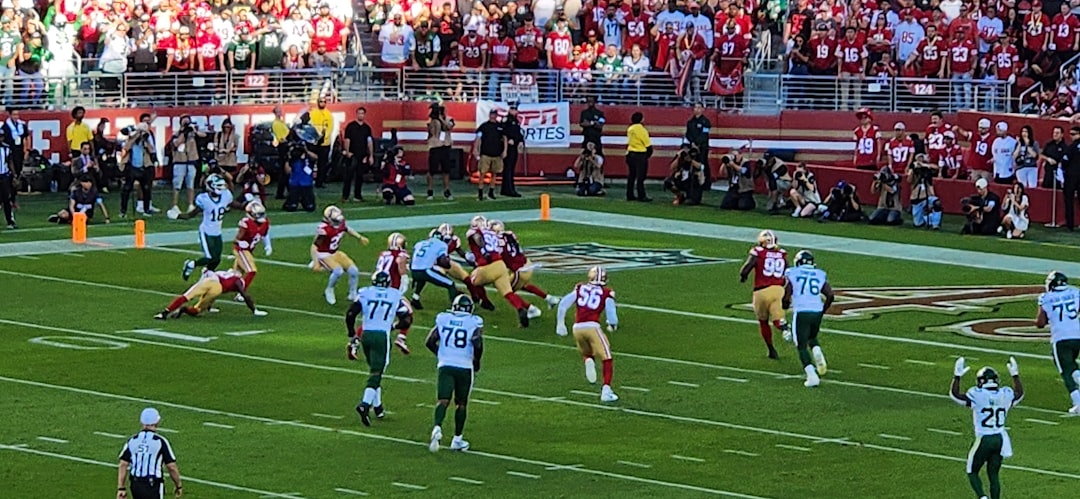
Offensive Line Metrics:
- Pass block win rate
- Pressure percentage allowed
- Run block success rate
The Chiefs often generate pressure with creative blitz packages. Defensive tackle stunts. Slot corner rushes. Delayed linebackers. It’s layered and unpredictable.
The Bengals counter with quick passes. Screens. Three-step drops. Slants.
When Cincinnati’s offensive line struggles, Burrow’s sack numbers spike. That slows drives. That kills rhythm.
Trend alert: In games where the Bengals allow fewer than three sacks, their offensive output rises dramatically.
Running Game Efficiency
Even in a pass-heavy era, the run game matters. It keeps defenses honest.
The Chiefs rotate backs. They emphasize situational runs. Short yardage. Clock control.
The Bengals use the run to balance coverage schemes. When the run works, safeties creep up. That opens deep shots.
Key metrics:
- Yards Per Carry
- Success Rate on Early Downs
- Play Action Efficiency
If a team averages over 4.5 yards per carry in this matchup, it usually controls tempo.
Third Down Is Everything
This is the hidden battleground.
Third-down conversion rate tells you who sustains drives. Sustained drives mean tired defenses. Tired defenses make mistakes.
The Chiefs excel in third-and-medium situations. Mahomes improvises. Kelce finds space.
The Bengals thrive in third-and-short. Burrow’s quick reads become lethal here.
Metrics to watch:
- Third-down conversion percentage
- Average yards to gain on third down
- Defensive third-down stop rate
Games between these two often swing on just two or three key third downs.
Red Zone Performance
Field goals won’t cut it in this matchup. Touchdowns win.
Red Zone TD Percentage is often the deciding factor.
The Chiefs love misdirection near the goal line. Jet sweeps. Option looks. Tight end crossers.
The Bengals isolate their big receivers. Fade routes. Quick slants.
If a team converts over 70% of red zone trips into touchdowns, their win chances climb sharply.
Defensive Adjustments
This rivalry is known for second-half chess matches.

Defensive coordinators make bold changes after halftime.
The Bengals often drop more defenders into coverage late. They rush four. They clog throwing lanes. This limits deep shots.
The Chiefs counter by increasing tempo. Faster snaps. Simplified reads.
Game trend: Scoring often slows in the second half. Adjustments tighten things up.
The team that adapts faster usually closes stronger.
Turnovers and Game-Changing Plays
It sounds simple. But it’s true.
Turnover margin is one of the clearest indicators in Bengals vs Chiefs games.
- Interceptions in tight coverage
- Strip sacks from blind-side pressure
- Special teams fumbles
Even one mistake can shift momentum completely.
Mahomes occasionally takes aggressive risks. Burrow sometimes trusts his receivers in tight windows. High risk. High reward.
The defense that creates confusion tends to steal possessions at key moments.
Coaching Strategy and Play Calling
This matchup is not just players. It’s coaches too.
Kansas City leans into creativity. Motion. RPOs. Unpredictable formations.
Cincinnati balances aggression with patience. They script early drives carefully. They build rhythm.
Strategic patterns include:
- Early Aggression: Chiefs often attack early for a fast lead.
- Mid-Game Balance: Bengals establish stability in the second quarter.
- Late-Game Precision: Both teams trust their quarterbacks in clutch drives.
Clock management becomes critical in the final five minutes. Timeouts matter. Play sequencing matters.
Game Flow Trends
Several patterns show up again and again:
- Fast starts from Kansas City.
- Strong counterpunch from Cincinnati.
- One-possession games entering the fourth quarter.
- Decisive plays inside the final two minutes.
These games rarely turn into blowouts. They are tactical. Tight. Emotional.
Expect back-and-forth scoring. Expect momentum swings.
Special Teams Impact
Quiet but vital.
Field position shifts everything. A long punt return sets up easy points. A missed kick changes confidence levels.
Metrics that matter here:
- Net punting average
- Kick return average
- Field goal accuracy under pressure
In close games, a 45-yard field goal in cold weather is not automatic.
Strategic Takeaways
So what do all these numbers really mean?
1. Protect the Quarterback.
Pressure changes everything. The cleaner the pocket, the smoother the offense.
2. Win Third Down.
Sustain drives. Limit opponent momentum.
3. Finish in the Red Zone.
Touchdowns beat field goals in high-powered games.
4. Adjust at Halftime.
Flexibility wins championships.
5. Limit Turnovers.
Take calculated risks. Avoid careless throws.
Final Thoughts
The Bengals vs Chiefs rivalry is defined by razor-thin margins. Elite quarterback play. Smart coaching. Defensive counters. Clutch execution.
The stats tell a clear story. Efficiency matters more than flash. Discipline beats chaos. And small situational wins build toward big results.
When these two teams meet, it’s rarely about one dominant quarter. It’s about consistency. About composure. About who blinks last.
And that’s why fans circle this game on the calendar every season.
Because when the Bengals and Chiefs collide, football analytics meets pure drama. And the numbers come alive.