
College football is one of the most popular and tradition-rich sports in the United States, drawing millions of fans each season. Among the most fundamental questions new viewers and even casual fans ask is simple: how many quarters are in college football? While the answer may appear straightforward, the structure of the game, timing rules, and overtime procedures add important depth and nuance.
TLDR: College football games are divided into four quarters, each lasting 15 minutes. After the second quarter, teams take a halftime break before resuming play. If the game is tied at the end of regulation, it proceeds to a structured overtime format rather than additional timed quarters. While the quarter system mirrors professional football, certain timing and overtime rules differ significantly.
The Basic Structure: Four Quarters
A standard college football game consists of four quarters, and each quarter lasts 15 minutes of game clock time. This format has been a long-standing part of the sport and aligns with the structure used in the National Football League (NFL).
The quarters are divided as follows:
- First Quarter – The game begins with a kickoff and the opening period of play.
- Second Quarter – Concludes the first half of the game.
- Third Quarter – Begins after halftime with another kickoff.
- Fourth Quarter – The final regulation period where the outcome is often decided.
At the end of the second quarter, teams take a halftime break, typically lasting around 20 minutes
How Long Does a College Football Game Actually Last?
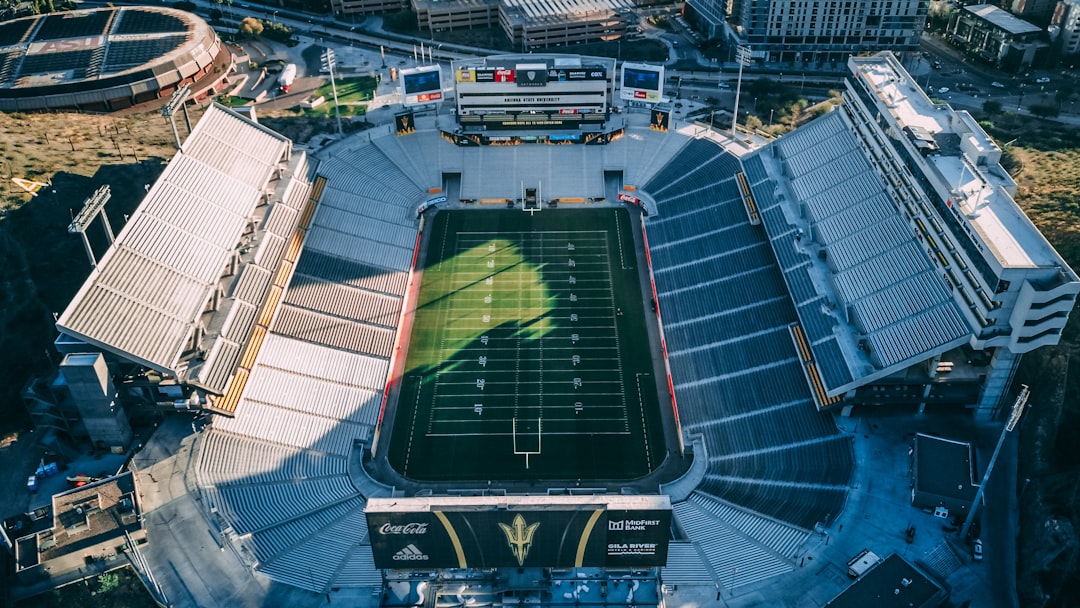
Although there are only four 15-minute quarters—totaling 60 minutes of game time—a college football game typically lasts much longer in real time. On average, games run between three and three and a half hours.
This extended duration is due to several factors:
- Clock stoppages for incomplete passes
- Players going out of bounds
- Scoring plays
- Penalties
- Television timeouts
- Injuries
- Replay reviews
College football rules stop the clock more frequently than some other sports, significantly extending the viewing experience.
The Importance of Each Quarter
Each quarter in college football serves a strategic purpose. Coaches carefully manage time, field position, and momentum throughout the game.
First Quarter: Establishing Momentum
The opening quarter is crucial for setting tempo and testing strategies. Teams often script their first several plays, aiming to gain an early advantage or assess their opponent’s defensive setup.
Second Quarter: Adjustments Before Halftime
As the first half concludes, teams begin making tactical adjustments. Clock management becomes more important, especially in the final two minutes before halftime, when teams attempt to score before the break.
Third Quarter: The Reset
The third quarter often determines momentum. Teams return from halftime having made strategic changes based on first-half performance.
Fourth Quarter: Decisive Moments
The final quarter is frequently the most dramatic. Late-game strategies include:
- Two-minute offenses
- Clock control through rushing plays
- Intentional clock stoppages
- Defensive prevent formations
Many historic college football moments have occurred in the fourth quarter, reinforcing its significance.
How Overtime Works in College Football
If the score is tied at the end of the fourth quarter, the game moves into overtime. Unlike professional football, college football does not use a traditional timed overtime period.
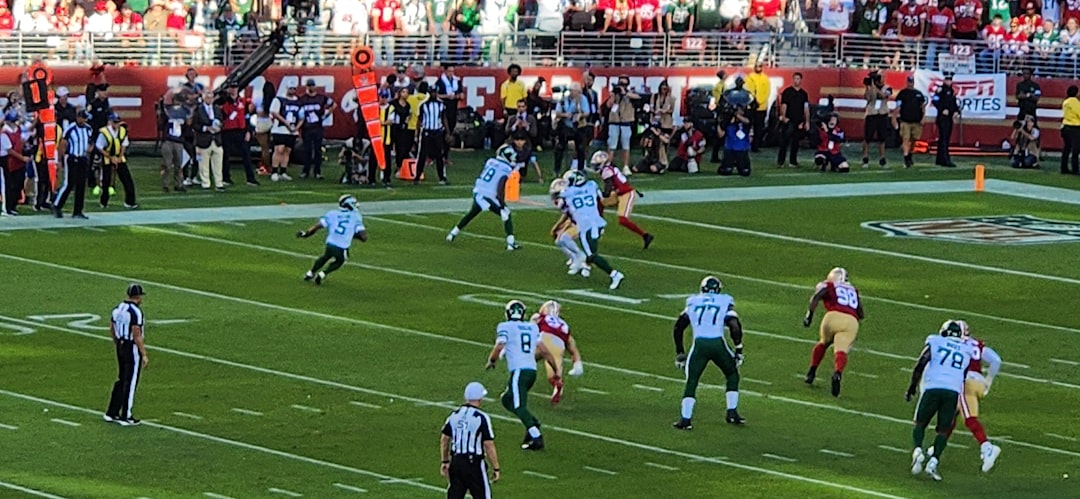
Instead, the NCAA employs a possession-based overtime format designed to ensure fairness and excitement.
The Standard Overtime Procedure
- Each team receives one possession starting at the opponent’s 25-yard line.
- Teams alternate possessions.
- If the score remains tied after both teams have had one possession, another overtime period begins.
Two-Point Conversion Rule Changes
Beginning with the third overtime, teams must attempt a two-point conversion after scoring a touchdown. In more recent rule adjustments, after multiple overtimes, teams alternate two-point attempts rather than running full possessions, expediting the conclusion of lengthy games.
This unique overtime structure has led to some of the longest and most dramatic games in college football history.
How College Football Quarters Compare to Other Levels
While college football consists of four 15-minute quarters, other levels of football handle timing slightly differently.
| Level of Play | Number of Quarters | Length of Each Quarter | Overtime Style |
|---|---|---|---|
| College Football (NCAA) | 4 | 15 minutes | Alternating possessions |
| NFL | 4 | 15 minutes | Timed sudden death format |
| High School Football | 4 | 12 minutes (typically) | Varies by state |
| Youth Football | 4 | 8 to 12 minutes | League dependent |
Although the structure remains consistent—four quarters—the duration and overtime formats vary depending on the level of competition.
Why Four Quarters?
The four-quarter structure traces its origins back to the early development of American football in the late 19th century. Dividing the game into quarters allows for:
- Strategic breaks in play
- Fair rest intervals
- Structured television broadcasting
- Momentum shifts
- Fan engagement
The quarter system also makes statistical tracking more organized, enabling performance comparisons across eras.
Additional Timing Rules That Affect Quarters
While each quarter lasts 15 minutes, certain timing rules can alter how play unfolds within those quarters.
Clock Management in the Final Two Minutes
In the last two minutes of each half, teams shift into clock-sensitive strategies. Incomplete passes stop the clock. Players stepping out of bounds temporarily halt play. Timeouts become extremely valuable assets.
Play Clock vs. Game Clock
College football operates with both a game clock and a play clock, typically set at 40 seconds between plays. The interaction between these two clocks significantly influences the effective length of each quarter.
Halftime: More Than Just a Break
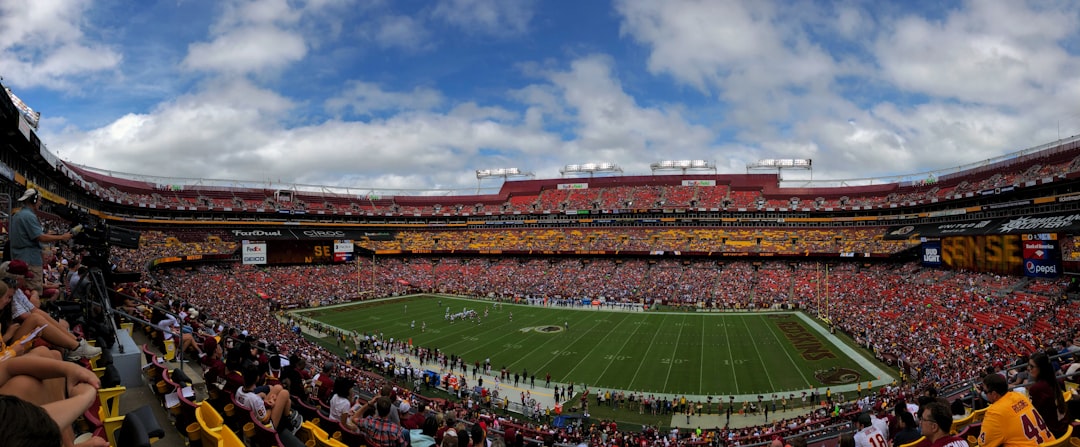
Halftime separates the second and third quarters and serves multiple purposes:
- Player recovery and hydration
- Coaching strategy adjustments
- Medical evaluations
- Marching band performances
- Broadcast analysis and commentary
Though halftime is not an additional quarter, it plays a crucial role in shaping the outcome of the final two quarters.
Are Quarters Ever Shortened?
In rare circumstances, quarters may be shortened:
- Severe weather delays
- Mutual coach agreements in lopsided games
- Special spring exhibition games
- Youth or preseason scrimmages
However, in official NCAA regular-season and postseason competition, quarters remain a fixed 15 minutes.
Key Takeaways About College Football Quarters
- There are four quarters in a standard college football game.
- Each quarter lasts 15 minutes of game clock time.
- Halftime occurs after the second quarter.
- Games tied after four quarters proceed to a structured overtime system.
- Total broadcast time usually exceeds three hours.
Conclusion
To answer the question clearly and definitively: college football games consist of four quarters, each lasting 15 minutes. While this structure is straightforward, the rules governing clock stoppages, halftime, and overtime add layers of complexity that make the sport both strategic and exciting. Understanding how quarters function provides a stronger appreciation for game flow, coaching decisions, and the drama that unfolds throughout each contest.
Whether you’re a new fan learning the basics or a seasoned supporter refining your knowledge, grasping the quarter system is essential to fully understanding college football. It may be divided neatly into four parts, but within those quarters lies an intense, dynamic competition shaped by timing, tactics, and tradition.