Padel is one of the fastest-growing sports in the world, combining elements of tennis and squash into a dynamic and social game that is easy to learn yet challenging to master. Played mostly in doubles on an enclosed court, padel offers fast rallies, strategic play, and plenty of fun for beginners and experienced athletes alike. For anyone curious about picking up a racket and stepping onto the court, getting started is simpler than it may seem.
TLDR: Padel is a beginner-friendly racket sport that blends tennis and squash, typically played in doubles on an enclosed court. New players need only a padel racket, appropriate balls, and comfortable sportswear to get started. Learning basic rules, court positioning, and simple techniques can quickly build confidence. With regular practice and social matches, beginners can improve rapidly while enjoying the game’s energetic and social atmosphere.
What Is Padel and Why Is It So Popular?
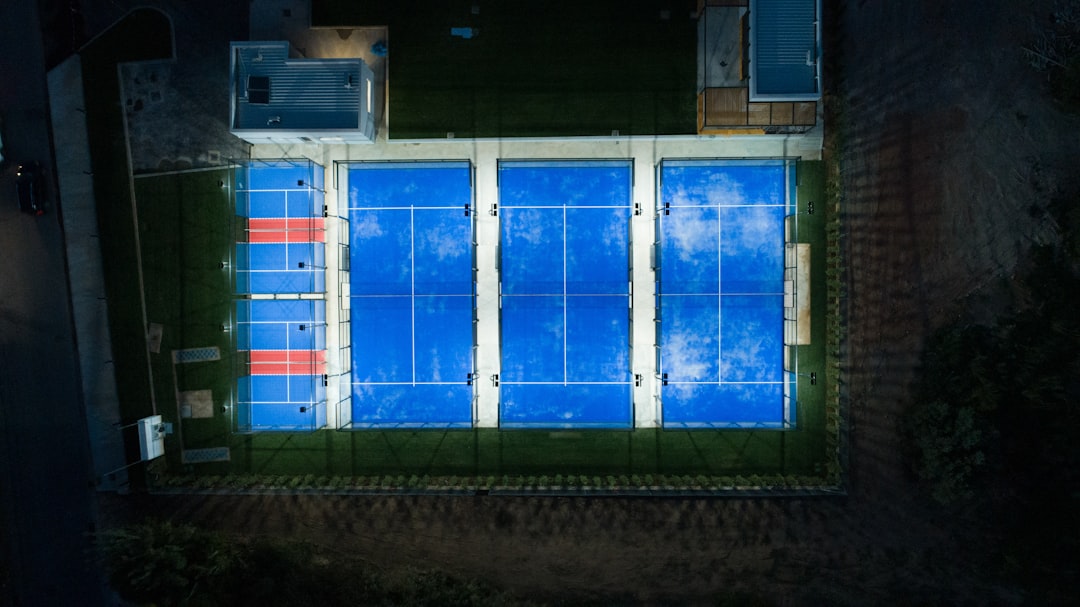
Padel is played on a smaller court than tennis, enclosed by glass walls and metal fencing. The walls are part of the game, allowing the ball to rebound and extend rallies. Scoring is the same as in tennis, and most matches are played in doubles format.
There are several reasons for its global popularity:
- Easy to learn: The underhand serve and smaller court make it accessible to beginners.
- Social format: Doubles play encourages teamwork and communication.
- Longer rallies: The enclosed court keeps the ball in play longer.
- Less physically demanding than tennis: The compact space reduces the need for extreme running.
Essential Equipment for Beginners
One of the advantages of padel is that the equipment requirements are relatively simple. A beginner only needs a few items to start playing.
1. Padel Racket
Unlike tennis rackets, padel rackets are solid and perforated with holes. They do not have strings. The shape and balance of a racket affect control and power.
2. Padel Balls
Padel balls look similar to tennis balls but have slightly less pressure, resulting in slightly less bounce.
3. Proper Footwear
Court shoes with good grip and lateral support are essential. Many players use tennis or padel-specific shoes designed for artificial turf surfaces.
4. Comfortable Sportswear
Breathable clothing that allows free movement is ideal. Moisture-wicking fabrics enhance comfort during long rallies.
Padel Racket Comparison Chart
| Racket Shape | Best For | Balance | Control | Power |
|---|---|---|---|---|
| Round | Beginners | Low balance | High | Moderate |
| Teardrop | Intermediate players | Medium balance | Balanced | Balanced |
| Diamond | Advanced players | High balance | Lower | High |
For most beginners, a round-shaped racket is recommended because it offers better control and forgiveness on off-center shots.
Understanding the Basic Rules
The rules of padel resemble tennis, but there are distinct differences that new players must understand:
- Serving: The serve is underhand and must bounce once before being hit below waist height.
- Walls in play: After the ball bounces on the opponent’s court, it can rebound off the walls and remain in play.
- Scoring: 15, 30, 40, and game scoring format, just like tennis.
- Doubles format: Most matches are played two versus two.
Beginners should focus on consistency rather than power. Keeping the ball in play longer often leads to points, especially against other new players.
Learning Basic Padel Techniques
Developing strong fundamentals early makes progress much faster. New players should concentrate on mastering a few essential shots.
Forehand and Backhand Groundstrokes
These are the foundation of padel. Players should practice controlled swings and proper foot positioning.
The Volley
Volleys are executed near the net and are crucial in padel strategy. Maintaining a firm wrist and short swing improves accuracy.
The Bandeja
This signature overhead shot is used defensively to retain net position and maintain control of the rally.
Using the Walls
Learning how to anticipate rebounds off the glass is a game-changer. Instead of avoiding the walls, beginners should practice letting the ball bounce and rebound to gain better positioning.
Basic Court Positioning and Strategy
Positioning is one of the key strategic elements in padel. Unlike tennis, the net position is especially dominant.
- Take the net: Teams that control the net often control the point.
- Move as a team: Partners should shift left and right together to cover angles.
- Communicate: Clear calls prevent confusion and missed shots.
- Be patient: Wait for the right opportunity to attack rather than forcing winners.
Many beginners instinctively stay at the back of the court. However, learning when to transition forward can dramatically improve performance.
How to Find a Place to Play
Padel clubs and courts are increasingly available in urban areas and sports complexes. Beginners can:
- Join a local padel club.
- Book courts through sports facility apps.
- Participate in beginner-friendly social tournaments.
- Take introductory group lessons.
Group lessons are particularly helpful, as they provide structured instruction and allow new players to meet other beginners.
Common Beginner Mistakes to Avoid
Every new player makes mistakes, but being aware of them can speed up improvement.
- Overhitting the ball: Power is less important than placement.
- Poor communication: Doubles requires constant coordination.
- Standing too far back: Failing to approach the net limits control.
- Ignoring the walls: The walls are an advantage, not an obstacle.
By focusing on control, positioning, and teamwork, beginners rapidly gain confidence and consistency.
Building Skills and Confidence
Improvement in padel often comes quickly with consistent practice. Beginners can accelerate progress by:
- Playing at least once or twice per week.
- Practicing specific drills for volleys and wall rebounds.
- Watching experienced players.
- Recording matches to analyze positioning.
Physical conditioning also helps. Strengthening the legs and core improves balance and reaction time, while agility drills enhance court movement.
Why Padel Is Ideal for All Ages
Another attractive aspect of padel is its inclusiveness. Because it does not require extreme strength or technical mastery from the start, players of various ages and fitness levels can compete together. The smaller court reduces strain, making it suitable for older adults while still being fast-paced enough for younger athletes.
The sport also fosters strong social connections. Regular doubles play encourages camaraderie and teamwork, making each match both competitive and enjoyable.
Final Thoughts
Getting started with padel does not require years of training or expensive equipment. With a beginner-friendly racket, a basic understanding of the rules, and a willingness to learn, anyone can step onto the court and enjoy the game. The key lies in mastering simple techniques, understanding positioning, and embracing the social nature of doubles play.
For those seeking a sport that blends strategy, skill, and social interaction, padel offers an engaging and rewarding experience from the very first match.
Frequently Asked Questions (FAQ)
1. Is padel easier than tennis?
Many beginners find padel easier because of the underhand serve, smaller court, and use of walls, which keep rallies going longer.
2. What is the difference between a padel racket and a tennis racket?
A padel racket is solid, stringless, and perforated with holes, while a tennis racket has strings and a larger hitting surface.
3. How long does it take to learn padel?
Most beginners can rally and play basic matches within a few sessions. Consistent improvement typically occurs within the first few months.
4. Do you need lessons to start playing?
Lessons are not mandatory, but they significantly speed up learning proper technique and positioning.
5. Can children play padel?
Yes, padel is suitable for children. Many clubs offer junior programs and coaching tailored to younger players.
6. How physically demanding is padel?
Padel is moderately demanding but generally less strenuous than tennis due to the smaller court size and doubles format.
7. What is the best racket shape for beginners?
A round-shaped racket is typically best for beginners because it offers greater control and forgiveness.