Basketball fans around the world often debate one question: Which league is better—the EuroLeague or the NBA? While both showcase elite talent and high-level competition, they are built on very different philosophies, structures, and styles of play. The NBA dominates global headlines with its superstar culture and massive commercial reach, while the EuroLeague represents the pinnacle of European club basketball, rooted in tactical discipline and intense rivalries.
TLDR: The NBA and EuroLeague differ in rules, playing style, season structure, business model, and overall culture. The NBA emphasizes superstar-driven entertainment, pace, and athleticism, while the EuroLeague focuses more on tactics, team play, and intensity. Court dimensions, game length, and defensive rules also vary significantly. Ultimately, the “better” league depends on what kind of basketball you enjoy most.
1. League Structure and Organization
NBA Structure
- 30 franchised teams
- No promotion or relegation
- Centralized league governance
- 82-game regular season
- Playoff system with 16 teams
The NBA operates as a closed franchise system. Teams are permanent members of the league, and revenue sharing ensures competitive balance. Owners collectively shape league policies, and financial power is centralized.
EuroLeague Structure
- 18 teams (as of 2026 season)
- Some long-term licensed clubs
- Some qualification-based entries
- 34-game regular season
- Final Four format to decide champion
The EuroLeague blends licensed teams with annually qualified clubs based on domestic league performance. Unlike the NBA, European basketball operates within a broader ecosystem of domestic competitions.
This creates a multi-competition structure: teams compete in the EuroLeague and their national leagues simultaneously. That dual responsibility adds physical strain and strategic complexity.
2. Game Rules and Court Differences
While both leagues follow FIBA-based basketball foundations, there are important rule differences.
Game Duration
- NBA: 48 minutes (4 x 12-minute quarters)
- EuroLeague: 40 minutes (4 x 10-minute quarters)
The shorter EuroLeague game often feels more compressed and intense, with less room for statistical inflation.
Court Dimensions
- NBA court: Slightly wider and longer
- EuroLeague court: FIBA standard dimensions
Three-Point Line
- NBA: 23.75 feet at the top (22 feet in corners)
- EuroLeague: 22.15 feet
This shorter three-point line in Europe slightly increases spacing efficiency but does not lead to the same three-point volume as the NBA.
Defensive Rules
- NBA: Defensive three-second violation exists
- EuroLeague: No defensive three-second rule
Without the defensive three-second rule, EuroLeague teams can pack the paint more aggressively, leading to more physical and tactical half-court defense.
3. Style of Play
Perhaps the most noticeable difference lies in how the game is played.
NBA Style
- Faster pace
- Isolation-heavy offense
- Emphasis on athleticism
- High scoring games
- Positionless basketball
The NBA prioritizes entertainment and offensive freedom. Superstars often dominate possessions, and spacing plays a critical role. Games frequently exceed 115–120 points per team.

EuroLeague Style
- Slower tempo
- Structured offensive sets
- Strong pick-and-roll execution
- Physical defense
- Greater emphasis on coaching tactics
EuroLeague games often resemble chess matches. Ball movement and execution matter more than individual flair. Final scores usually range between 70 and 90 points per team.
Many NBA players who struggle with defensive rotations or complex reads often find EuroLeague adjustments challenging. Conversely, EuroLeague stars sometimes need time to adapt to the NBA’s spacing and athletic demands.
4. Player Talent and Depth
The NBA is widely considered the league with the highest concentration of elite basketball talent in the world. Most of the best players globally—including international stars—compete there.
NBA Talent Pool
- Top American prospects
- International superstars
- Elite athletic profiles
- Draft-based roster building
By 2026, nearly 30% of NBA players are international, reflecting globalization. MVP candidates frequently come from Europe, Africa, and beyond.
EuroLeague Talent Pool
- Former NBA players
- Rising international prospects
- Veteran professionals
- Highly skilled system players
While the NBA may have superior top-end talent, EuroLeague teams often feature cohesive units with experienced professionals who understand tactical basketball at an elite level.
5. Season Format and Playoffs
NBA Season
- 82 regular season games
- Best-of-seven playoff series
- Four rounds to win championship
The long NBA season focuses on endurance and load management. Teams pace themselves knowing the playoffs decide legacies.
EuroLeague Season
- 34 regular season games
- Top 8 advance to playoffs
- Best-of-five quarterfinals
- Single-game Final Four
The Final Four format introduces a unique element of unpredictability. One bad game can end a season, increasing the drama and pressure.
6. Financial Power and Salaries
Money is one of the starkest contrasts between the leagues.
| Category | NBA (2026) | EuroLeague (2026) |
|---|---|---|
| Average Salary | $8-10 million | $1-2 million |
| Top Salary | $50+ million | $4-6 million |
| Revenue Model | Massive TV deals | Mixed sponsorship and club funding |
| Salary Cap | Yes (soft cap) | No unified cap |
The NBA generates billions through broadcasting contracts and global marketing. EuroLeague budgets vary widely depending on ownership, sponsorships, and football club backing (for multi-sport clubs like Real Madrid or FC Barcelona).
7. Atmosphere and Fan Culture
If you ask purists, they will insist the EuroLeague offers the most intense in-arena atmosphere in basketball.
EuroLeague Atmosphere
- Chants throughout entire games
- Soccer-style ultras sections
- Flares and coordinated tifos (where allowed)
- Incredible rivalry games
Basketball is deeply embedded in cultural identity in cities like Belgrade, Athens, Istanbul, and Madrid.
NBA Atmosphere
- Entertainment-focused production
- Halftime shows
- Celebrity presence
- Global fanbase
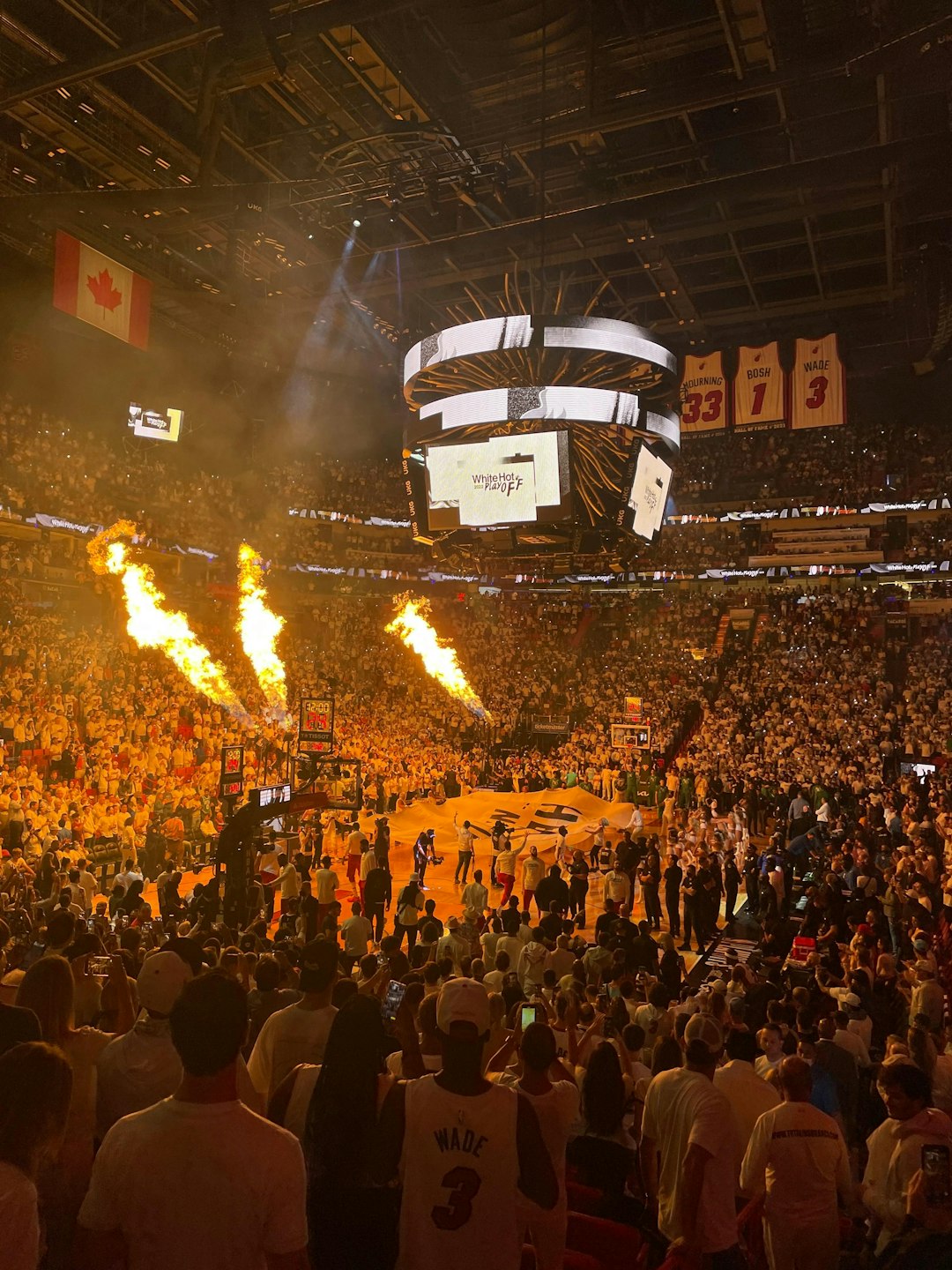
The NBA experience blends sports with showmanship, creating a spectacle designed for television audiences as much as arena attendees.
8. Coaching Philosophy
EuroLeague coaching places heavier emphasis on structure, discipline, and situational detail. Offensive systems are often complex, involving multiple reads within a single possession.
In contrast, NBA coaching balances systems with player freedom. Because of superstar influence, coaches typically empower primary scorers to create in isolation during high-leverage moments.
This difference explains why some European coaches struggle in the NBA and vice versa—the cultural expectations differ dramatically.
9. Pathways to the League
NBA Pathways
- College basketball (NCAA)
- G League Ignite or affiliate teams
- International scouting
- NBA Draft system
EuroLeague Pathways
- Youth academies
- Domestic leagues
- Promotion through club systems
- Direct professional contracts at young age
European prospects often play professionally as teenagers, gaining early tactical grounding. American prospects typically develop through college before entering the draft.
10. Global Influence in 2026
As of 2026, the relationship between the NBA and EuroLeague is more interconnected than ever. Player movement between leagues is common, and international tournaments continue to blur stylistic lines.
The NBA remains the commercial giant and ultimate destination for most players. However, the EuroLeague has strengthened its brand, expanded media reach, and improved financial stability.
Rather than one league overshadowing the other, the basketball world benefits from their coexistence:
- The NBA sets global trends in athleticism and offense.
- The EuroLeague preserves tactical tradition and fierce competition.
- International play creates cross-pollination of styles.
Final Verdict: Which League Is Better?
The answer depends entirely on what you value in basketball.
- If you love superstars, pace, and highlight plays → The NBA delivers unmatched spectacle.
- If you prefer strategy, physical defense, and tactical depth → The EuroLeague may be more satisfying.
In truth, both leagues represent different expressions of elite basketball. The NBA may sit at the top in terms of talent concentration and business dominance, but the EuroLeague offers intensity and authenticity that many fans consider purer.
In 2026, the smarter debate may no longer be EuroLeague vs NBA, but rather how both leagues continue shaping the global evolution of basketball together.
Because at the highest level, great basketball is great basketball—no matter the continent.