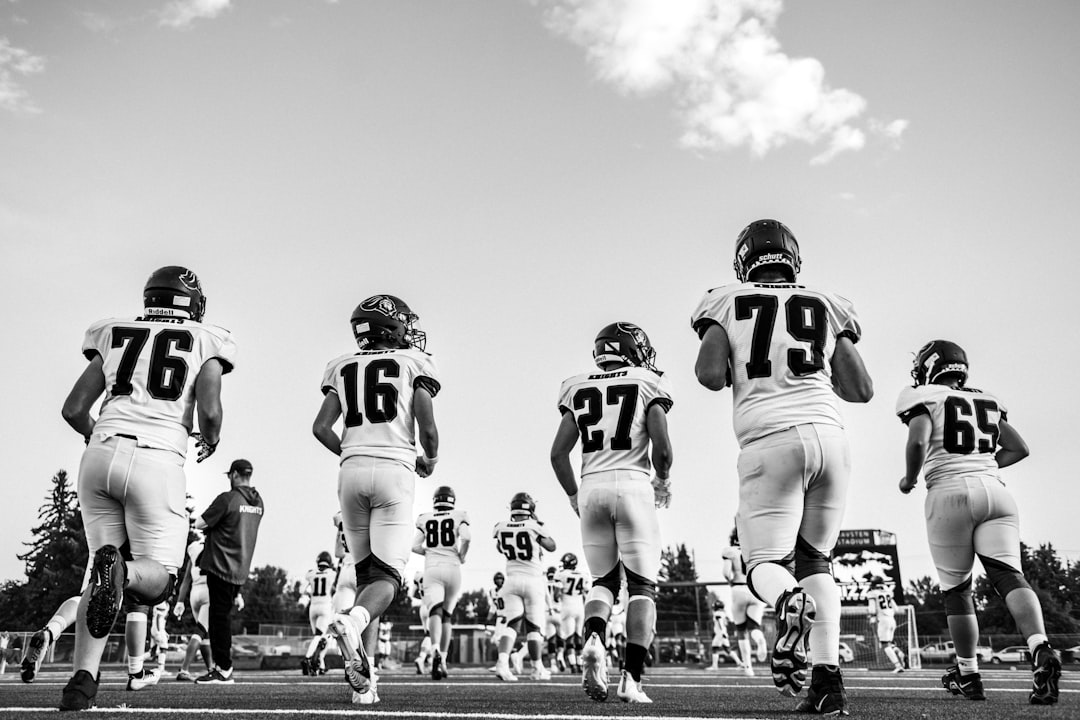
Elite football performance is built on one foundation: stamina. Without the ability to sustain speed, strength, and mental sharpness across 90 minutes, even the most technically gifted player will fade. Improving football stamina quickly is not about random extra running — it requires structured conditioning, intelligent recovery, and position-specific training. The methods professional teams use are precise, measurable, and progressive.
TLDR: To improve football stamina fast, combine high intensity interval training (HIIT), aerobic base conditioning, strength work, and proper recovery. Focus on match-specific sprint intervals rather than slow long runs alone. Prioritize nutrition, hydration, and sleep to accelerate adaptation. Consistency over 4–6 weeks can dramatically increase endurance and late-game performance.
Understanding Football Stamina
Football stamina isn’t just about running long distances. It is a combination of:
- Aerobic endurance – sustaining moderate effort over time
- Anaerobic capacity – repeated short bursts of high intensity
- Recovery speed – how quickly you regain energy between sprints
- Mental resilience – focus and decision-making under fatigue
A professional player can cover 9–12 kilometers per match, but much of it includes explosive sprints, changes of direction, and duels. Therefore, your training must reflect these demands.
1. Build a Strong Aerobic Base (The Right Way)
Many players make the mistake of running endless slow miles. While aerobic conditioning is important, it should be purposeful.
Best aerobic training methods:
- Tempo runs: 20–30 minutes at 70–75% maximum heart rate
- Fartlek training: alternating jog and moderate sprints every 1–2 minutes
- Small-sided games: 4v4 or 5v5 for 4-minute rounds
Why this works: A stronger aerobic base speeds recovery between high-intensity actions. The better your base, the longer you can maintain explosive output.
Frequency: 2–3 sessions per week
2. Use High Intensity Interval Training (HIIT)
If you want fast stamina improvements, HIIT is non-negotiable. It simulates real match patterns: sprint, recover, repeat.
Pro-Level Sprint Interval Circuit:
- 30-meter sprint × 6 reps
- Rest 20–30 seconds between sprints
- Rest 2 minutes between sets
- Complete 3–5 sets
As you progress, decrease rest or increase repetitions.
Advanced Variation (Tabata Style):
- 20 seconds maximum effort shuttle runs
- 10 seconds rest
- Repeat for 8 rounds
This trains both aerobic and anaerobic systems simultaneously.
3. Improve Repeat Sprint Ability (RSA)
Football is not about one sprint — it’s about repeated sprints. Training repeat sprint ability is critical for wingers, fullbacks, and midfielders.
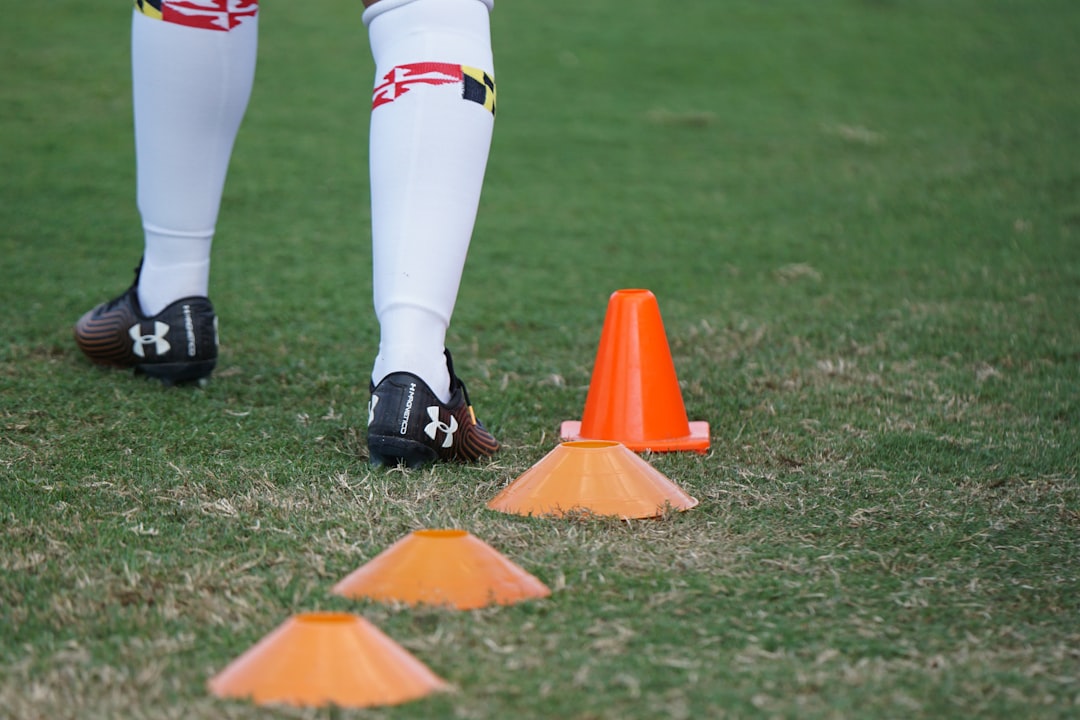
RSA Drill Example:
- Sprint 40 meters
- Jog back slowly
- Repeat 10–15 times
Measure total time and aim to reduce performance drop-off. A smaller drop means improved stamina.
Tip: Incorporate directional changes (shuttle sprints) to mimic match situations.
4. Add Strength Training for Endurance
Stronger muscles fatigue more slowly. Many players underestimate the connection between gym work and stamina.
Focus on compound movements:
- Squats
- Deadlifts
- Walking lunges
- Bulgarian split squats
- Core rotational exercises
Recommended structure:
- Moderate weight
- 8–12 repetitions
- 3–4 sets
- Short rest (45–60 seconds)
This builds muscular endurance and supports sprint efficiency.
5. Train With the Ball Whenever Possible
Conditioning without the ball improves fitness, but conditioning with the ball improves match stamina.
Effective drills:
- Dribble and sprint patterns
- High-tempo passing circuits
- Pressing drills in small spaces
- Transition games (attack to defense)
The nervous system adapts faster when conditioning is attached to decision-making. This mirrors real competition intensity.
6. Optimize Recovery for Faster Gains
Fast improvement depends on how well your body adapts between sessions.
Image not found in postmetaKey recovery components:
- Sleep: 7–9 hours nightly
- Hydration: 35–45 ml of water per kg body weight daily
- Protein intake: 1.6–2.2 g per kg body weight
- Active recovery: light cycling or swimming
Chronic fatigue slows progress. Well-managed recovery accelerates it.
7. Use Heart Rate Monitoring
Training too easy will not improve stamina. Training too hard too often leads to burnout. Monitoring heart rate ensures optimal intensity.
| Zone | % Max Heart Rate | Purpose |
|---|---|---|
| Zone 1 | 50–60% | Recovery |
| Zone 2 | 60–70% | Aerobic base |
| Zone 3 | 70–80% | Tempo conditioning |
| Zone 4 | 80–90% | High intensity intervals |
| Zone 5 | 90–100% | Maximum sprint work |
Elite players spend significant time in Zones 4 and 5 during matches, which is why sprint-based conditioning matters.
8. Sample Weekly Stamina Plan
Day 1: HIIT sprint intervals + strength training
Day 2: Small-sided games + core work
Day 3: Active recovery or light tempo run
Day 4: Repeat sprint ability drills
Day 5: Tactical training + conditioning with ball
Day 6: Match or simulation game
Day 7: Full rest
This structure balances overload and recovery, allowing measurable stamina improvement within 4–6 weeks.
9. Nutrition for Stamina Gains
Training hard without adequate fuel limits performance.
Prioritize:
- Complex carbohydrates: rice, oats, potatoes
- Lean proteins: chicken, fish, eggs
- Healthy fats: nuts, olive oil
- Electrolytes: sodium, potassium, magnesium
Pre-training: Carbohydrate-rich meal 2–3 hours before session.
Post-training: 3:1 ratio carbohydrates to protein within 60 minutes.
Low glycogen equals low stamina — even if you trained properly.
10. Mental Conditioning and Breath Control
Fatigue is partly physiological and partly psychological. Controlled breathing increases endurance.
Techniques:
- Inhale through nose for 3–4 steps
- Exhale through mouth for 3–4 steps
- Practice during tempo runs
Remaining composed under pressure reduces unnecessary energy expenditure.
Common Mistakes That Slow Progress
- Running long, slow distance every day
- Ignoring strength training
- Poor sleep habits
- Dehydration
- Overtraining without recovery days
Improving stamina fast requires intensity — but also intelligence.
How Long Until You See Results?
With consistent implementation:
- 1–2 weeks: Improved recovery between sprints
- 3–4 weeks: Noticeably better second-half performance
- 6+ weeks: Significant conditioning upgrade
Professional-level endurance is built over years, but rapid improvement is absolutely possible when training matches game demands.
Final Thoughts
Improving football stamina fast is about quality over quantity. Strategic interval work, repeat sprint training, strength development, and disciplined recovery create exponential results. The strongest teams late in games are not just talented — they are conditioned with precision.
Commit to structured training, measure your progress, and stay consistent. When the final 15 minutes arrive and others slow down, your preparation will separate you from the competition.