Whether you are a gamer chasing higher frame rates, a content creator rendering complex projects, or a professional managing demanding workloads, understanding how your computer performs is essential. PC benchmarking tools provide a standardized way to measure, compare, and optimize hardware performance. Instead of guessing whether an upgrade improved your system, benchmarking delivers objective data that helps you make informed decisions.
TLDR: PC benchmarking tools measure the performance of your CPU, GPU, storage, and overall system using standardized tests. They help you compare hardware, identify bottlenecks, and validate overclocking or upgrades. Popular tools like 3DMark, Cinebench, CrystalDiskMark, and PCMark offer different types of benchmarks for specific needs. Whether you’re gaming, creating, or working professionally, benchmarking ensures your PC runs at its best.
What Is PC Benchmarking?
Benchmarking is the process of running a set of standardized tests on your hardware to measure performance under controlled conditions. These tests simulate specific workloads such as gaming, video editing, 3D rendering, or file transfers.
The results are typically expressed as:
- Scores (e.g., 12,500 points in 3DMark)
- Frames per second (FPS) in gaming scenarios
- Render time in seconds
- Read/write speeds for storage devices
- Latency measurements in milliseconds
By comparing these metrics against other systems or your previous results, you can assess where your PC stands and determine if improvements are needed.
Why Benchmark Your PC?
Many users think benchmarking is only for enthusiasts, but it offers valuable insights for anyone using a computer regularly. Here are some practical reasons to run benchmarks:
- Evaluate new hardware: Confirm performance gains after installing a new GPU, CPU, or SSD.
- Diagnose performance issues: Identify bottlenecks or underperforming components.
- Test system stability: Stress systems after overclocking.
- Compare systems: Measure how your PC stacks up against similar builds.
- Verify manufacturer claims: Ensure you are getting the speeds advertised.
Benchmarking transforms subjective impressions into measurable results.
CPU Benchmarking Tools
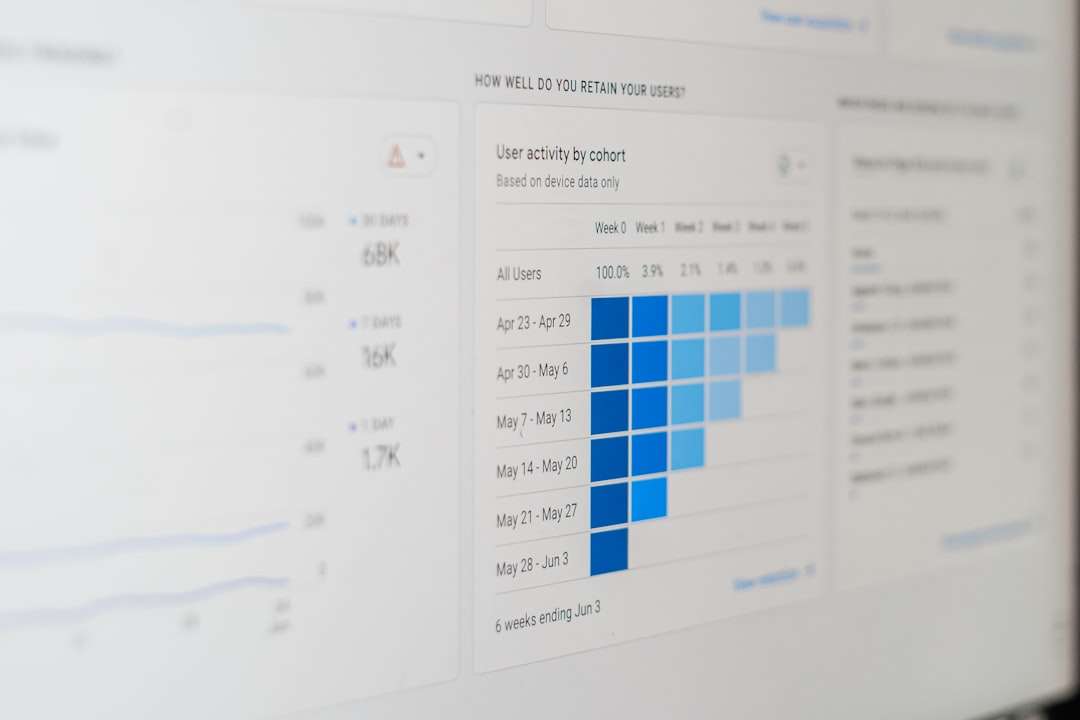
The CPU is the brain of your computer, handling calculations, multitasking, and application processing. CPU benchmarking tools evaluate both single-core and multi-core performance.
1. Cinebench
Cinebench is one of the most popular CPU benchmarking tools. Based on real-world rendering tasks from Cinema 4D, it measures how quickly your processor can render a complex 3D scene.
- Provides single-core and multi-core scores
- Useful for creative professionals
- Great for comparing CPUs across generations
2. Geekbench
Geekbench measures CPU performance using workloads that simulate real-world tasks like image processing and encryption. Its cross-platform support makes it ideal for comparing PCs with laptops and even mobile devices.
3. PassMark PerformanceTest
PassMark offers extensive CPU diagnostics and allows users to compare results against a large online database. It’s especially popular in IT environments and system integrator settings.
GPU Benchmarking Tools
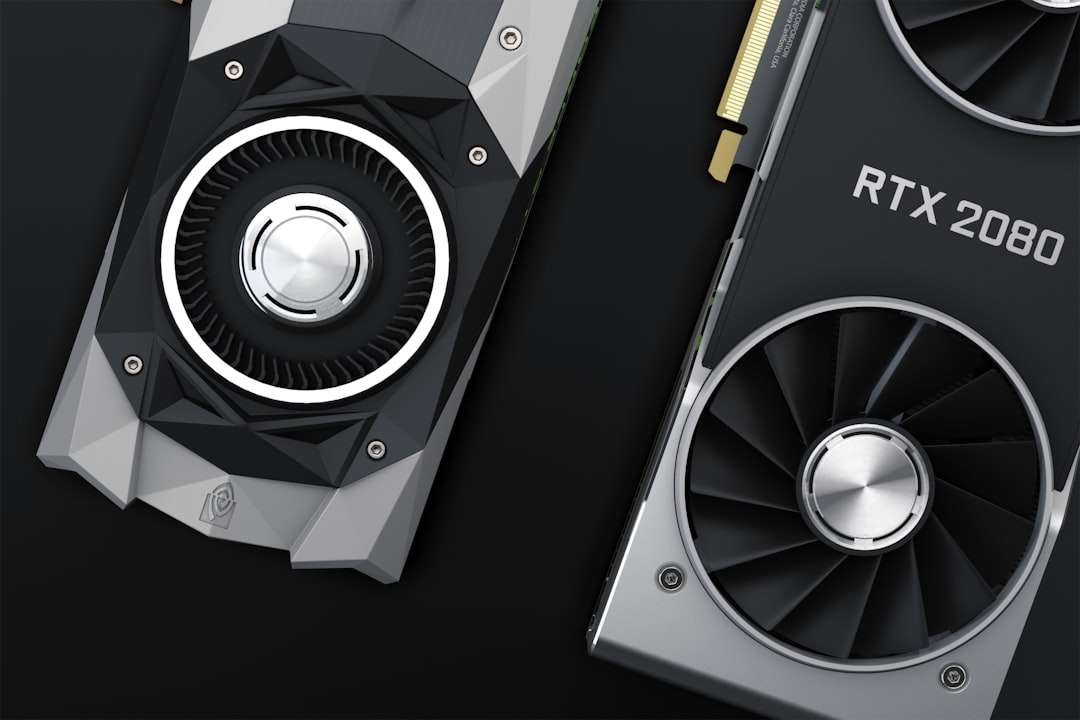
The graphics processing unit (GPU) is critical for gaming, 3D rendering, and AI workloads. GPU benchmarks simulate graphics-heavy scenarios to measure rendering capability, shader performance, and ray tracing efficiency.
1. 3DMark
3DMark is widely considered the gold standard for GPU benchmarking. It includes multiple tests tailored to different hardware levels—from entry-level systems to high-end gaming rigs with ray tracing.
- Time Spy for DirectX 12 systems
- Fire Strike for DirectX 11 testing
- Port Royal for ray tracing performance
Each test generates a comprehensive score and detailed breakdown, making it easy to pinpoint GPU vs CPU limitations.
2. Unigine Heaven and Superposition
Unigine benchmarks are visually impressive stress tests that push your GPU to its limits. They are commonly used for:
- Stability testing during overclocking
- Detecting thermal throttling
- Evaluating real-time rendering performance
3. FurMark
Known as a “GPU burner,” FurMark is a highly intensive stress-testing tool. While not ideal for comparing systems in typical gaming loads, it excels at evaluating cooling performance and thermal stability.
Storage Benchmarking Tools
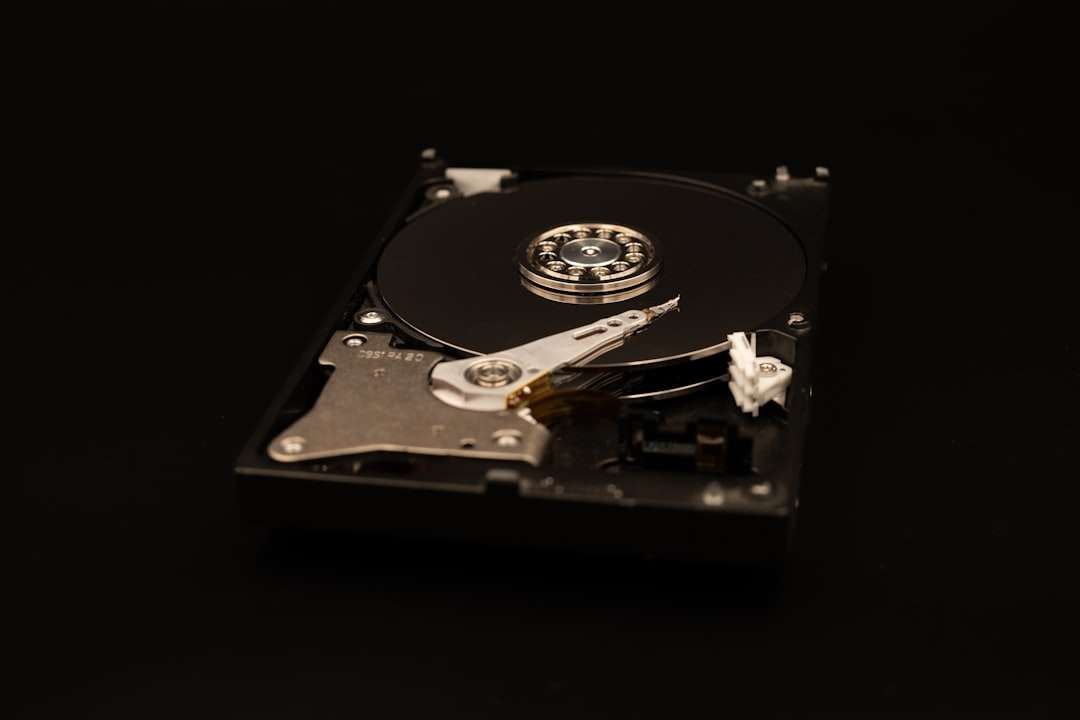
Storage performance significantly affects boot times, game load times, and file transfers. SSDs, NVMe drives, and HDDs all benefit from proper benchmarking.
1. CrystalDiskMark
CrystalDiskMark is a simple yet powerful tool that measures sequential and random read/write speeds. It is particularly useful for:
- Testing new SSD installations
- Verifying NVMe speeds
- Comparing SATA vs PCIe performance
2. ATTO Disk Benchmark
ATTO measures disk performance across various file sizes, offering a deeper look into how drives perform under different conditions.
3. AS SSD Benchmark
Designed specifically for SSDs, AS SSD tests performance without relying on system cache, providing more realistic results.
All-in-One System Benchmark Tools
Some tools measure overall system performance rather than focusing on a single component.
1. PCMark
PCMark evaluates complete system performance using real-world scenarios such as web browsing, office productivity, and digital content creation.
- Ideal for business PCs
- Balanced evaluation of CPU, GPU, and storage
- Practical workload simulations
2. UserBenchmark
UserBenchmark provides quick diagnostic testing and crowdsourced comparisons. While not as rigorous as synthetic benchmarks, it offers a fast overview of performance issues.
Synthetic vs Real-World Benchmarks
Not all benchmarks are created equal. Understanding the difference between synthetic and real-world benchmarking is crucial.
- Synthetic benchmarks use controlled simulations to produce consistent, repeatable scores. Example: 3DMark.
- Real-world benchmarks test performance in actual applications or games. Example: measuring FPS in Cyberpunk 2077.
Synthetic tests are excellent for comparisons, while real-world benchmarks reflect actual user experience. Ideally, you should use both approaches.
How to Benchmark Properly
To get reliable results, follow these best practices:
- Close background applications to avoid interference.
- Update drivers before testing.
- Monitor temperatures using tools like HWMonitor.
- Run multiple tests and average the results.
- Keep test conditions consistent between comparisons.
Consistency ensures your results are meaningful rather than misleading.
Using Benchmarks for Overclocking
For enthusiasts, benchmarking plays a central role in overclocking. After increasing clock speeds or adjusting voltages, benchmarks help determine:
- Performance improvements
- System stability
- Thermal limits
- Power consumption impacts
If a benchmark crashes or produces artifacts, your overclock may be unstable. Stable results across multiple runs indicate a reliable configuration.
Common Benchmarking Mistakes
Even experienced users sometimes misinterpret results. Avoid these common errors:
- Comparing different test versions (e.g., 3DMark 2019 vs 2024)
- Ignoring thermal throttling
- Running tests on battery power
- Focusing only on numbers instead of real usage
A system with a slightly lower synthetic score may still feel smoother in everyday tasks due to better optimization.
The Future of PC Benchmarking
Benchmarking tools are evolving alongside hardware innovations. Modern test suites now include:
- Ray tracing performance measurement
- AI workload simulations
- Machine learning inference tests
- Virtual reality performance scoring
As processors incorporate AI accelerators and GPUs push real-time path tracing, benchmarking tools will continue adapting to measure these new capabilities accurately.
Final Thoughts
PC benchmarking tools are far more than synthetic score generators—they are diagnostic instruments, upgrade validators, and optimization guides. From measuring lightning-fast NVMe speeds to stress-testing a powerful GPU, these tools provide clarity in a world of complex hardware specifications.
Whether you are building a new PC, troubleshooting sluggish performance, or striving for peak overclocked stability, benchmarking empowers you with objective insight. When used correctly and thoughtfully, it transforms your PC from a mystery box of components into a clearly understood—and fully optimized—machine.