Blockchain technology is often described as transparent, immutable, and decentralized—but how do we actually see what is happening on a blockchain? For most users, developers, and analysts, the answer lies in blockchain explorer tools like Etherscan. These platforms transform complex blockchain data into readable, searchable information, allowing anyone to track transactions, inspect wallets, verify smart contracts, and analyze network activity in real time.
TLDR: Blockchain explorers like Etherscan allow users to view and verify transactions, wallet balances, and smart contracts on public blockchains. They provide transparency by making blockchain data searchable and easy to interpret. Explorers are essential for traders, developers, and security analysts who need real-time, trustworthy information. Without them, navigating blockchain networks would require significant technical expertise.
What Is a Blockchain Explorer?
A blockchain explorer is a web-based tool that allows users to search and navigate through blockchain data. Think of it as a search engine for blockchain transactions. Just as you might use a browser to look up a website, you use an explorer to look up transaction IDs, wallet addresses, block numbers, or token transfers.
For Ethereum, Etherscan is the most widely recognized explorer. Other networks have their own equivalents, such as:
- Blockchain.com Explorer for Bitcoin
- BscScan for Binance Smart Chain
- Solscan for Solana
- Polygonscan for Polygon
Each explorer is tailored to its specific blockchain but offers similar core functionality: real-time access to on-chain data.
How Blockchain Explorers Work
Behind the scenes, blockchain explorers operate by connecting to blockchain nodes and continuously indexing new blocks as they are added. Every transaction, smart contract interaction, and wallet balance update is recorded on the chain. The explorer organizes this raw data into structured, searchable information.
Key components typically include:
- Block Information: block height, timestamp, miner or validator, number of transactions.
- Transaction Data: sender, receiver, amount, gas fees, transaction hash.
- Wallet Details: token balances, transaction history, NFT holdings.
- Smart Contract Information: source code (if verified), transaction logs, token emissions.
This transformation of technical ledger data into a visual dashboard is what makes explorers so powerful and accessible.
Tracking a Transaction Step by Step
Imagine you’ve just sent Ethereum to a friend. Your wallet shows “Transaction Pending.” What now? This is where Etherscan becomes invaluable.
Using the transaction hash (a unique alphanumeric string provided by your wallet), you can paste it into Etherscan’s search bar. The results page reveals:
- Status: Pending, Success, or Failed
- Block Confirmation: The block number that included the transaction
- Gas Fee Paid: How much ETH was spent to process it
- Timestamp: The exact date and time of confirmation
- From and To Addresses: The sending and receiving wallets
This level of transparency eliminates guesswork. Instead of relying solely on your wallet interface, you can independently verify exactly what happened on the blockchain.
Exploring Wallet Addresses
One of the most fascinating features of blockchain explorers is the ability to inspect any public wallet address. Because blockchains like Ethereum are public, every wallet’s transaction history is visible.
When you enter a wallet address into Etherscan, you’ll see:
- ETH Balance
- Token Holdings (ERC-20 tokens)
- NFT Assets (ERC-721 and ERC-1155 tokens)
- Full Transaction History
- Internal Transactions triggered by smart contracts
This functionality is crucial for:
- Investigating suspicious wallets
- Monitoring whale activity
- Researching project treasury funds
- Auditing DAO expenditures
However, it’s important to note that blockchain addresses are pseudonymous, not anonymous. While you can’t directly see a person’s name, transaction patterns can sometimes reveal identities.
Smart Contract Transparency
Smart contracts are self-executing pieces of code stored on the blockchain. Explorers provide deep visibility into these contracts, making them an essential tool for developers and security researchers.
On Etherscan, you can:
- View the verified source code of a contract
- Read transaction logs and emitted events
- Analyze token supply and holder distribution
- Interact directly with the contract via “Write” and “Read” functions
This is particularly important in decentralized finance (DeFi). Before interacting with a DeFi protocol, users often check the smart contract to confirm it has been verified and audited. Transparency helps build trust in a trustless ecosystem.
Why Explorers Matter for Security
Cybersecurity analysts and blockchain investigators rely heavily on explorer tools. Because funds on public blockchains are traceable, investigators can follow the movement of stolen assets.
For example, after a hack:
- The stolen funds are identified via a suspicious transaction.
- Investigators monitor the attacker’s wallet.
- Movements to exchanges or mixers are tracked.
- Exchange operators can freeze funds if alerted in time.
This traceability has led to numerous recoveries of stolen crypto assets. While blockchain thefts still happen, explorers make large-scale laundering more complex than many assume.
Gas Fees and Network Activity Insights
Another powerful advantage of tools like Etherscan is visibility into network congestion and gas fees.
Users can check:
- Current gas prices (low, average, high priority)
- Pending transaction pool
- Average block time
- Daily transaction volume
This data empowers users to optimize transaction timing. For example, submitting transactions during periods of lower congestion can significantly reduce fees.
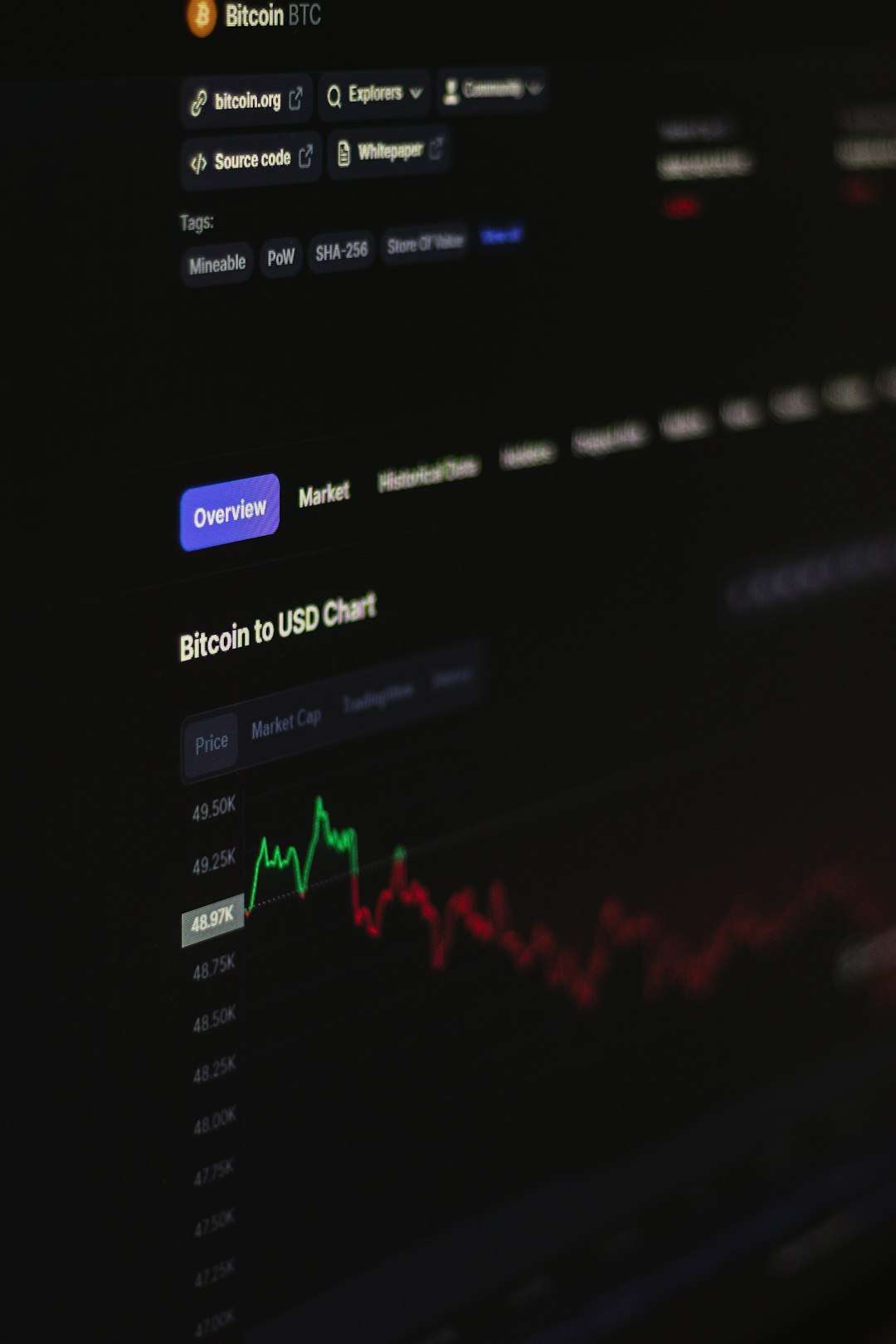
Traders, NFT minters, and arbitrage bots frequently rely on this live data to make cost-effective decisions.
Token Tracking and Holder Analysis
Blockchain explorers are also invaluable for researching tokens. Each ERC-20 token on Ethereum has a dedicated page showing detailed analytics.
Key metrics include:
- Total Supply
- Number of Holders
- Top Wallet Concentration
- Transfer History
This information can reveal potential risks. For instance, if a small number of wallets control a large percentage of a token’s supply, the token may be vulnerable to price manipulation.
Investors often analyze:
- Whether tokens are locked or vested
- Team wallet activity
- Liquidity pool interactions
- Large transfers to centralized exchanges
Such transparency provides an additional layer of due diligence beyond marketing materials and social media hype.
Developer Tools and APIs
Beyond casual users, explorers offer robust tools for developers. Etherscan, for example, provides APIs that allow applications to query blockchain data programmatically.
This enables:
- Wallet tracking applications
- Portfolio dashboards
- Tax calculation software
- Analytics platforms
By structuring complex blockchain data into accessible endpoints, explorer APIs fuel much of the broader крипto ecosystem’s infrastructure.
Limitations of Blockchain Explorers
Despite their usefulness, blockchain explorers have limitations:
- No Private Data: They only display public blockchain information.
- Learning Curve: New users may find transaction data overwhelming.
- Chain-Specific: Each explorer works only for its respective network.
- Off-Chain Data Missing: Exchange trades and Layer 2 activity may not always be directly visible.
Additionally, while explorers present data in a user-friendly manner, they are typically centralized interfaces built on top of decentralized networks. Users must still trust that the explorer is indexing accurately.
The Bigger Picture: Transparency as a Feature
What makes blockchain explorers truly groundbreaking is how they redefine financial transparency. In traditional banking, access to transaction data is private and restricted. In blockchain systems, transparency is a built-in feature.
This openness enables:
- Public auditing of financial systems
- Real-time verification of charitable donations
- Open treasury management for decentralized organizations
- Greater accountability in financial transactions
Explorers serve as the bridge between raw blockchain infrastructure and human understanding. Without them, blockchain networks would remain largely inaccessible to everyday users.
Conclusion
Blockchain explorer tools like Etherscan are essential pillars of the cryptocurrency ecosystem. They transform dense, technical ledger entries into readable, actionable insights. Whether you are verifying a single transaction, researching a token investment, auditing a smart contract, or tracking suspicious activity, explorers provide unmatched visibility into blockchain operations.
As blockchain adoption continues to expand into finance, gaming, supply chains, and digital identity, the role of explorers will only grow more significant. In a decentralized world built on transparency, blockchain explorers are the windows that allow everyone to see how the system truly works.