To the casual observer, futsal and soccer may appear to be nearly identical sports. Both involve two teams, a ball, goals, and a shared objective: outscoring the opponent. However, once the details are examined, it becomes clear that futsal and soccer differ in several fundamental ways, from the playing surface and number of players to the rules, tactics, and overall pace of the game. Understanding these distinctions helps players, coaches, and fans appreciate how each sport develops unique skills and experiences.
TLDR: Futsal and soccer share the same core objective but differ significantly in format, playing environment, ball design, rules, and tactical emphasis. Futsal is played indoors on a smaller hard court with five players per side, while soccer is played outdoors on a large grass or turf field with eleven players per team. The smaller space and heavier ball in futsal promote quick decision-making and close ball control. Soccer, by contrast, emphasizes endurance, long-range play, and broader tactical formations.
1. Playing Surface and Field Size
The most immediately noticeable difference between futsal and soccer is the playing surface. Soccer is traditionally played on a large outdoor grass or artificial turf field. A standard soccer pitch can range from 100 to 130 yards in length and 50 to 100 yards in width, depending on competition regulations.
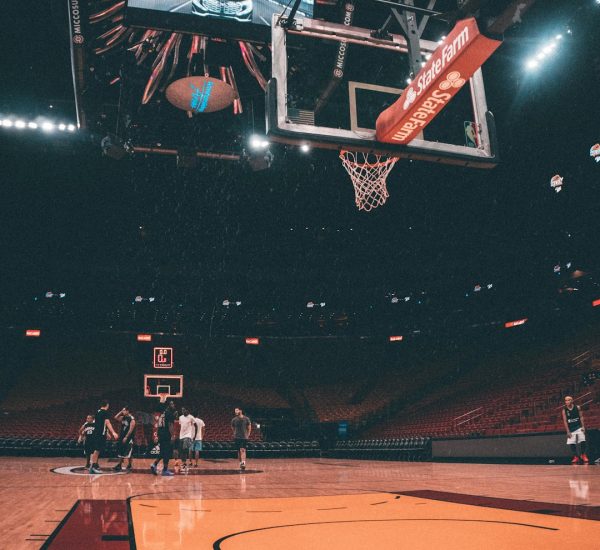
Futsal, on the other hand, is played indoors on a smaller, hard court surface similar to a basketball court. The court is typically about 25 to 42 meters long and 16 to 25 meters wide. This dramatic contrast in size impacts nearly every aspect of gameplay.
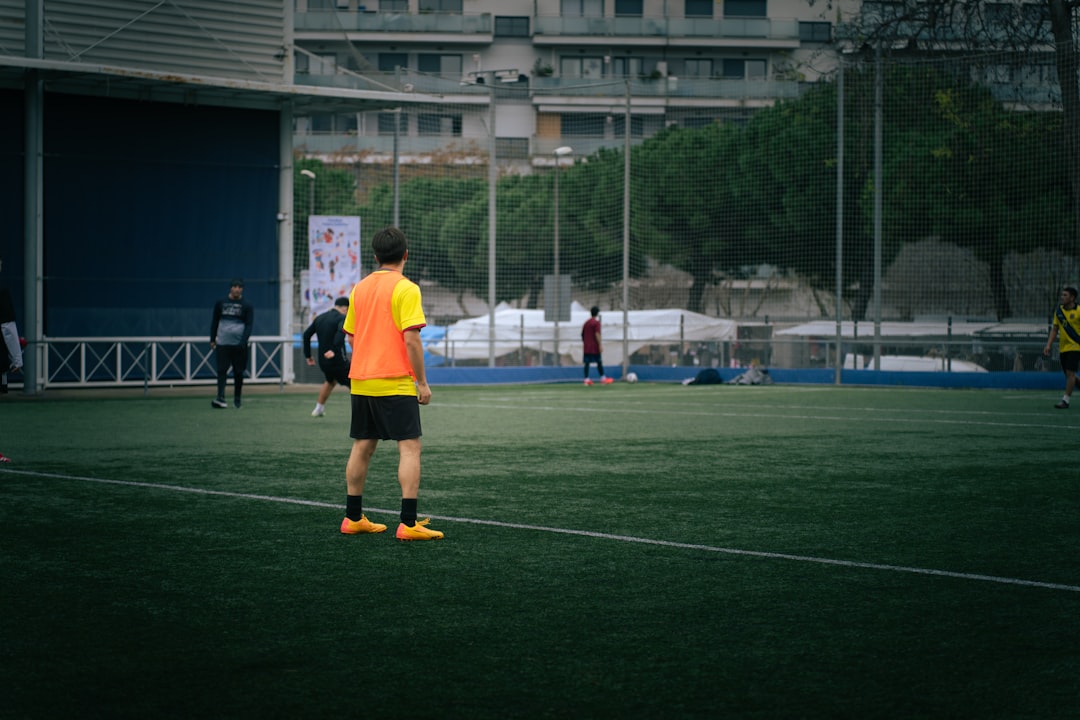
The smaller dimensions in futsal create:
- Less space to maneuver
- Faster transitions between attack and defense
- Constant player involvement
In soccer, larger field dimensions allow:
- Long passes and through balls
- Strategic positioning over larger distances
- Greater emphasis on stamina
This spatial difference significantly shapes the nature of each sport.
2. Number of Players
Another major difference lies in team size. A standard soccer team fields 11 players at a time, including one goalkeeper. These players are distributed across defensive, midfield, and attacking roles.
Futsal teams, by contrast, consist of five players each, including the goalkeeper. With fewer players and limited space, each individual must contribute both offensively and defensively.
This affects the style of play:
- In soccer, players often specialize in specific positions.
- In futsal, versatility is essential as players constantly rotate roles.
Because futsal is played with fewer players, each athlete generally touches the ball more frequently than in soccer. This increased involvement helps develop technical skills at an accelerated pace.
3. The Ball
Although both sports use a spherical ball, futsal employs a specially designed version that differs from a traditional soccer ball.
A soccer ball is larger and designed to bounce higher. It supports long aerial passes, crosses, and shots from distance. Its responsiveness makes it suitable for expansive outdoor play.
A futsal ball is slightly smaller and heavier, with reduced bounce. This design encourages:
- Controlled dribbling
- Precise short passing
- Ground-based play
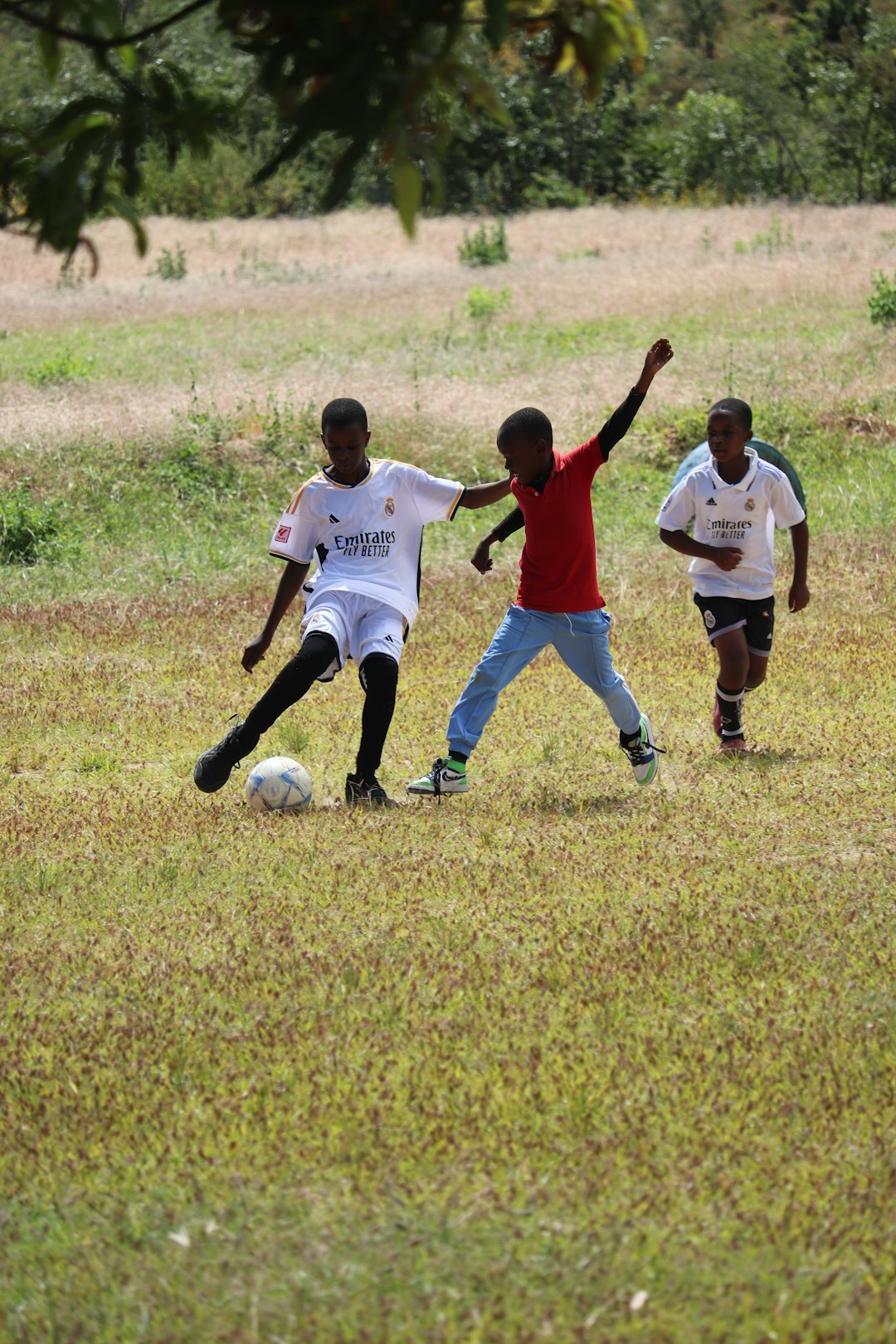
The reduced bounce in futsal minimizes aerial play and keeps the action primarily on the ground, reinforcing close technical control. In contrast, soccer frequently integrates headers, long balls, and airborne techniques.
4. Game Duration and Substitutions
Match structure also differs considerably between the two sports.
A standard professional soccer match consists of two 45-minute halves, totaling 90 minutes, plus stoppage time. Substitutions are typically limited, often to five per match depending on competition rules.
Futsal matches are structured as two 20-minute halves of stopped time, meaning the clock pauses whenever the ball is out of play. As a result, the actual playing intensity is extremely high.
Additionally, futsal allows unlimited rolling substitutions. Players can enter and exit the match freely without stopping play. This keeps the tempo fast and enables teams to maintain constant pressure.
These differences mean:
- Soccer emphasizes endurance across a longer duration.
- Futsal emphasizes short bursts of explosive energy.
5. Pace and Style of Play
While both sports are dynamic, futsal is often described as the faster-paced game in terms of decision-making. The smaller court forces players to react almost instantly. There is little time to dwell on the ball.
Key stylistic differences include:
- Futsal: Quick passes, tight spaces, rapid rotations, constant pressure.
- Soccer: Strategic buildup, wing play, aerial duels, counterattacks over distance.
In futsal, players regularly operate within a few feet of opponents. This encourages creativity, technical dribbling, and sharp combination play. The confined space rewards quick thinking and improvisation.
Soccer, given its larger field, incorporates broader tactical movement. Teams may spread out defensively or offensively, stretching the opposition across wide spaces. Long diagonal passes and crosses are common tools.
6. Physical Demands
Though both sports require fitness, the physical demands differ.
Soccer players must sustain energy across a much larger field and longer match duration. They often run several miles during a single game, alternating between jogging, sprinting, and walking.
Futsal players, in contrast, engage in short, intense bursts of movement with minimal rest. The repeated sprints, rapid direction changes, and physical duels in tight areas create a physically demanding environment.
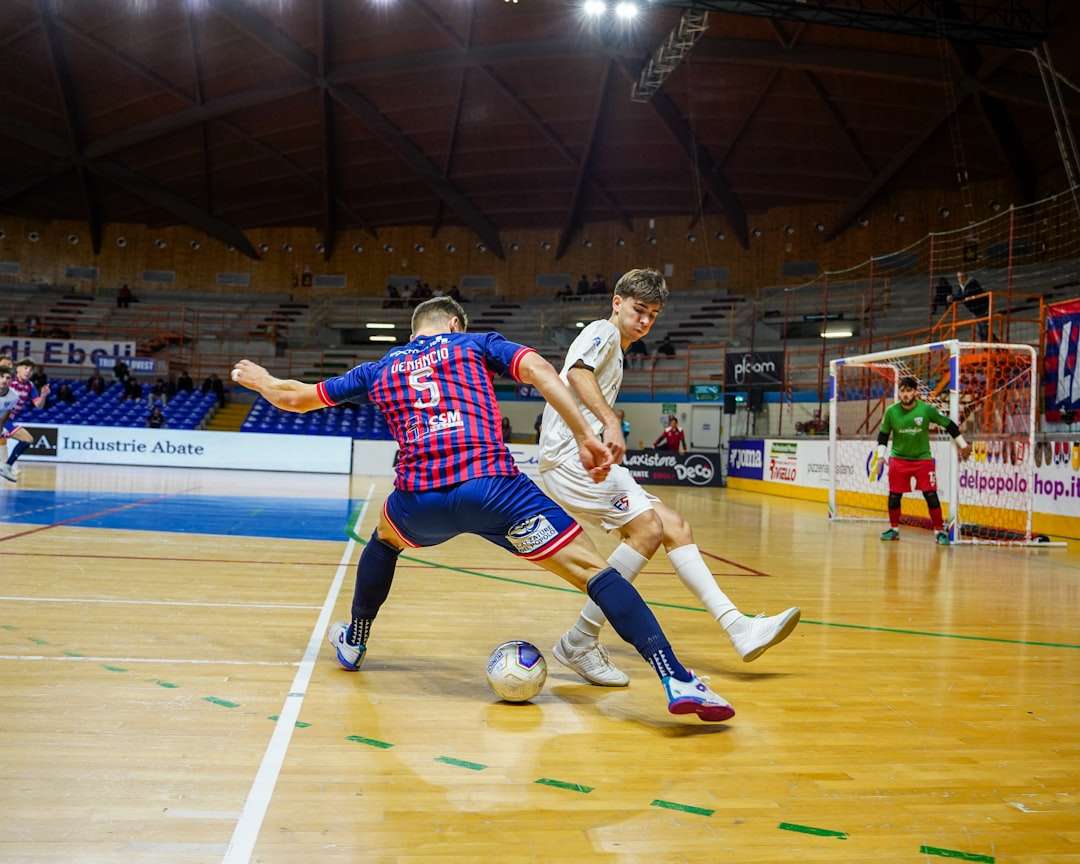
While soccer favors endurance capacity, futsal prioritizes agility, balance, and explosive acceleration.
7. Rules and Restarts
Several rule differences further separate the two sports.
In soccer:
- Throw-ins restart play from the sidelines.
- There is an offside rule.
- Slide tackles are generally permitted.
In futsal:
- Kick-ins replace throw-ins.
- No offside rule exists.
- Slide tackles are more restricted for safety.
- Accumulated team fouls lead to penalty shots after a limit is reached.
The absence of an offside rule in futsal changes attacking strategies. Players can move freely without worrying about positional infractions, which contributes to fluid attacking movement.
8. Tactical Differences
Soccer tactics often revolve around formations such as 4-3-3 or 4-4-2. These systems organize player responsibilities across defense, midfield, and attack, balancing width and depth on a large field.
Futsal formations, like 3-1 or 2-2 setups, are more compact. Due to constant motion, rigid positioning matters less than synchronized movement and spacing.
Tactically, futsal emphasizes:
- Quick triangular passing
- Overloads in tight spaces
- Rotational positioning
Soccer emphasizes:
- Build-up play from the back
- Wing-based attacks
- Set-piece strategies across longer distances
9. Skill Development Impact
Many professional soccer players credit futsal for helping develop their technical skills. The confined space and heavy ball improve:
- Ball control
- Quick decision-making
- Creativity under pressure
Soccer, meanwhile, develops:
- Spatial awareness
- Endurance and pacing
- Long-range accuracy
Because of these complementary qualities, many youth academies incorporate futsal training into soccer development programs.
The Main Difference Summarized
At its core, the main difference between futsal and soccer lies in space and structure. Futsal compresses the game into a small indoor environment with fewer players, a heavier ball, and faster exchanges. Soccer expands the game across a wide outdoor field, involving more players, longer durations, and broader tactical schemes.
Both sports share a common heritage, yet they offer distinct experiences. One favors close control and rapid interplay; the other highlights strategy, endurance, and expansive movement. Neither is superior — they simply challenge athletes in different ways.
FAQ: Futsal vs Soccer
1. Is futsal harder than soccer?
Neither is inherently harder, but futsal can feel more intense due to limited space and constant involvement. Soccer demands greater endurance over a longer period and larger field.
2. Can futsal improve soccer skills?
Yes. Futsal is widely regarded as an excellent training tool for improving technical ability, quick thinking, and ball control, all of which transfer effectively to soccer.
3. Why does futsal use a smaller, heavier ball?
The heavier, low-bounce ball keeps play grounded and encourages technical precision rather than aerial play.
4. Is there offside in futsal?
No. Futsal does not include an offside rule, which allows for freer attacking movement.
5. Are futsal and indoor soccer the same?
Not exactly. While both are played indoors, futsal follows specific FIFA-sanctioned rules, including a smaller court, low-bounce ball, and touchline boundaries instead of walls.
6. Which sport is more popular worldwide?
Soccer is significantly more popular globally and is the world’s most widely played sport. However, futsal has a strong international presence and continues to grow.
7. Do professional soccer players play futsal?
Many professional soccer players played futsal during their youth development years, and some continue to participate in offseason or training environments.
Ultimately, both futsal and soccer celebrate the universal joy of controlling a ball with skill and creativity. Whether on a hardwood court or an open grass field, the essence of the game remains the same: teamwork, strategy, and the pursuit of goals.