
Corn Toss, more commonly known as cornhole, is a classic lawn game that combines precision, strategy, and friendly competition. While it is simple enough for beginners to pick up in minutes, mastering it requires consistent practice and a clear understanding of the rules. Whether you are playing at a family gathering, a tailgate party, or in a competitive league, knowing the proper setup and step-by-step gameplay ensures fairness and maximum enjoyment for all participants.
TLDR: Corn Toss is played by tossing bean bags at a raised board with a hole, aiming to score either 1 point for landing on the board or 3 points for going through the hole. Two players or two teams alternate throws, and scoring is calculated using cancellation scoring. A standard game is played to 21 points. Proper setup, consistent throwing technique, and understanding strategy are key to improving your performance.
What Is Corn Toss?
Corn Toss is a backyard game in which players throw small fabric bags filled with corn kernels or resin pellets at an inclined board with a circular hole near the top. The objective is straightforward: land the bag on the board or, even better, toss it through the hole.
Despite its simplicity, the game requires focus, body control, and strategic thinking. Players must consider distance, angle, and the potential for knocking opponents’ bags off the board.
Equipment Needed
To play Corn Toss properly, you need standard equipment. Using regulation gear ensures consistent gameplay, especially in competitive environments.
- Two Cornhole Boards: Each board measures 24 inches wide by 48 inches long, with a 6-inch diameter hole centered 9 inches from the top.
- Eight Bean Bags: Four bags of one color for each team. Regulation bags are typically 6 inches by 6 inches and weigh 14–16 ounces.
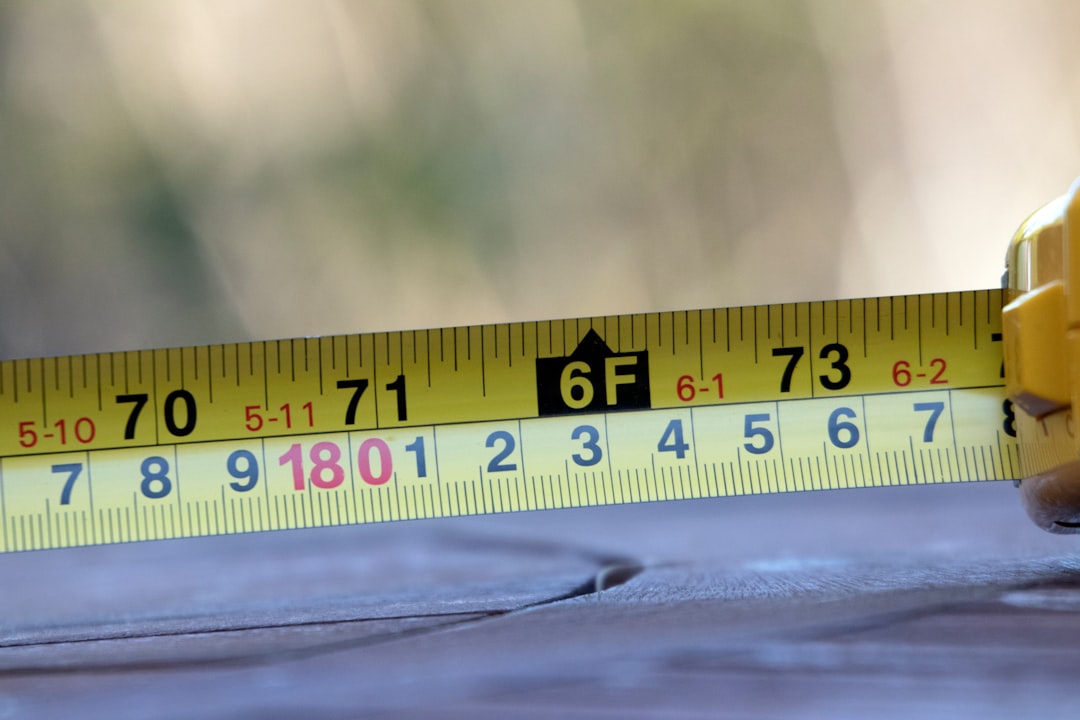
- Measuring Tape: To correctly place boards 27 feet apart (front edge to front edge) for adult play.
For casual or youth games, the distance can be shortened to make play more accessible.
Step 1: Set Up the Boards
Begin by placing the boards directly facing each other. Measure 27 feet from the front edge of one board to the front edge of the other. Ensure the boards are aligned so that the holes are centered in relation to each other.
The boards should sit securely on a flat surface. Typically, the back end of each board is elevated 12 inches off the ground, creating the proper incline.
Tip: Always check that both boards are stable and level to prevent disputes about fairness.
Step 2: Choose Teams and Toss Order
Corn Toss can be played as:
- Singles: One player versus one player.
- Doubles: Two-player teams.
In doubles play, teammates stand at opposite boards. One team member throws from one side, while their partner throws from the other.
To determine who throws first, you may flip a coin or allow players to compete in a single practice toss. The winner of the coin flip or practice round chooses the throwing order.
Step 3: Understand the Scoring System
Scoring in Corn Toss is based on where each bag lands. The most commonly used system is cancellation scoring.
- 3 Points: A bag that goes through the hole (also called a “cornhole”).
- 1 Point: A bag that lands and remains on the board.
- 0 Points: A bag that lands on the ground or bounces onto the board.
After each round (when all 8 bags have been thrown), players total their points. The lower score is subtracted from the higher score, and only the difference is awarded to the higher-scoring team.
Example:
Team A scores 7 points in a round. Team B scores 4 points. Team A receives 3 points for that round (7 minus 4).
The game continues until a player or team reaches 21 points.
Step 4: Learn the Proper Throwing Technique
Developing a consistent throwing motion significantly improves accuracy. While technique varies among players, the following method is widely recommended:
- Grip the Bag: Hold it flat in your dominant hand with a relaxed but firm grip.
- Position Your Feet: Stand behind the front edge of the board in the designated pitcher’s box.
- Aim Carefully: Focus on the hole or the section of the board you intend to hit.
- Use a Smooth Underhand Toss: Swing your arm like a pendulum and release the bag at waist height.
- Follow Through: Extend your arm toward the target for improved control.
Important: Your feet must remain behind the front of the board when releasing the bag. Stepping over results in a foul toss.

Step 5: Take Turns Throwing
Players alternate throws within each round. For example, in singles play:
- Player A throws one bag.
- Player B throws one bag.
- This continues until all four bags from each player are thrown.
Once the round is complete, players walk to the opposite board, record the score, and begin the next round from that end. The team that scored in the previous round throws first in the next round.
Step 6: Apply Strategy During Play
Although Corn Toss may appear simple, strategic decisions can determine the outcome of a game.
Blocking: Intentionally landing a bag in front of the hole can obstruct your opponent’s direct path.
Knock-Off Shots: You can aim to knock your opponent’s bag off the board, reducing their score.
Slide Shots: Skilled players use a flat throw that lands short and slides into the hole.
Evaluating the board after every throw helps determine whether you should aim aggressively for the hole or play defensively.
Step 7: Winning the Game
A standard game continues until one player or team reaches exactly 21 points or more, depending on house rules.
Some variations require exact scoring, meaning a team must land precisely on 21 points. If they exceed 21, their score may drop back to a predetermined number such as 13 or 15. Always clarify rules before starting play.
In competitive settings, matches sometimes consist of multiple games (best-of-three format).
Common Rules and Fouls
Maintaining fair play ensures the integrity of the game. Common fouls include:
- Stepping past the front edge of the board before release.
- Throwing out of turn.
- Exceeding 20 seconds per throw.
- Intentionally distracting an opponent during their throw.
If a foul occurs, the bag is typically removed from play and scores zero for that throw.
Tips for Improving Your Game
Improvement comes from repetition and refinement. Consider the following professional-grade advice:
- Practice Regularly: Muscle memory develops through consistent repetition.
- Control Spin: A flat, low-spin throw slides more predictably.
- Stay Mentally Focused: Avoid rushing; take a consistent pre-throw routine.
- Adjust for Wind: Outdoor conditions can curve lightweight bags.
Most experienced players develop a signature throwing style, but consistency matters more than flair.
Variations of Corn Toss
Several variations exist to adapt the game for different audiences:
- Short-Distance Play: Boards placed 15–20 feet apart for children.
- Speed Cornhole: Faster-paced rounds with limited setup time.
- Tournament Rules: Strictly enforced foot faults and time limits.
Choosing the appropriate variation depends on the setting and skill level of participants.
Why Corn Toss Remains Popular
The enduring appeal of Corn Toss lies in its balance of simplicity and skill. It requires minimal equipment, can be set up almost anywhere, and encourages social interaction. At the same time, competitive leagues elevate the game into a serious sport with defined rules, rankings, and championships.
It is suitable for all ages and skill levels, making it a unifying activity at gatherings. Importantly, matches can be as relaxed or as competitive as players desire.
Final Thoughts
Learning how to play Corn Toss step by step ensures an organized and enjoyable experience for everyone involved. Begin with proper setup, follow the scoring rules carefully, and develop a consistent throwing technique. As you grow more comfortable, focus on strategy and mental composure to gain a competitive edge.
While the fundamentals are easy to understand, true proficiency requires patience and repetition. By committing to proper technique and fair play, you will not only improve your accuracy but also enhance the overall quality of every game you play.
Corn Toss is more than a backyard pastime—it is a game of precision, strategy, and discipline. With the guidance provided above, you are fully prepared to set up a board, step into position, and play with confidence.