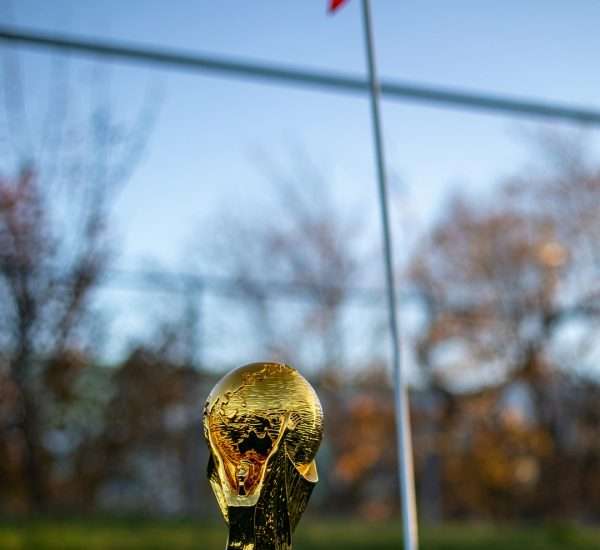
In Formula 1, the words Grand Prix appear everywhere: on race posters, official calendars, trophies, broadcasts, and historical records. The term sounds elegant and traditional, but it also has a specific meaning in motorsport. To understand Formula 1 properly, it helps to know what a Grand Prix is, where the phrase came from, and why every F1 race weekend carries that name.
TLDR: In F1, a Grand Prix is an official championship race held as part of the Formula 1 season. The term comes from French and means “Great Prize”, reflecting the prestige of major motor races. A Grand Prix is more than just the Sunday race; it usually refers to the full race weekend, including practice, qualifying, and the main event. Each Grand Prix is named after a country, city, region, or sponsor, such as the British Grand Prix or Monaco Grand Prix.
What Does Grand Prix Mean?
The phrase Grand Prix is French for “Great Prize”. In the early days of motor racing, it was used to describe major events where drivers competed for prestige, prize money, and recognition. Over time, the term became closely associated with the highest level of circuit racing.
In modern Formula 1, a Grand Prix is an official race that counts toward the FIA Formula One World Championship. Each Grand Prix awards points to drivers and constructors, helping decide the world champions at the end of the season.
For example, when people refer to the Italian Grand Prix, they usually mean the entire Formula 1 event held in Italy, not just the final race on Sunday. The Grand Prix includes media duties, practice sessions, qualifying, possible sprint sessions, support races, ceremonies, and the main race itself.
Why Is It Called a Grand Prix?
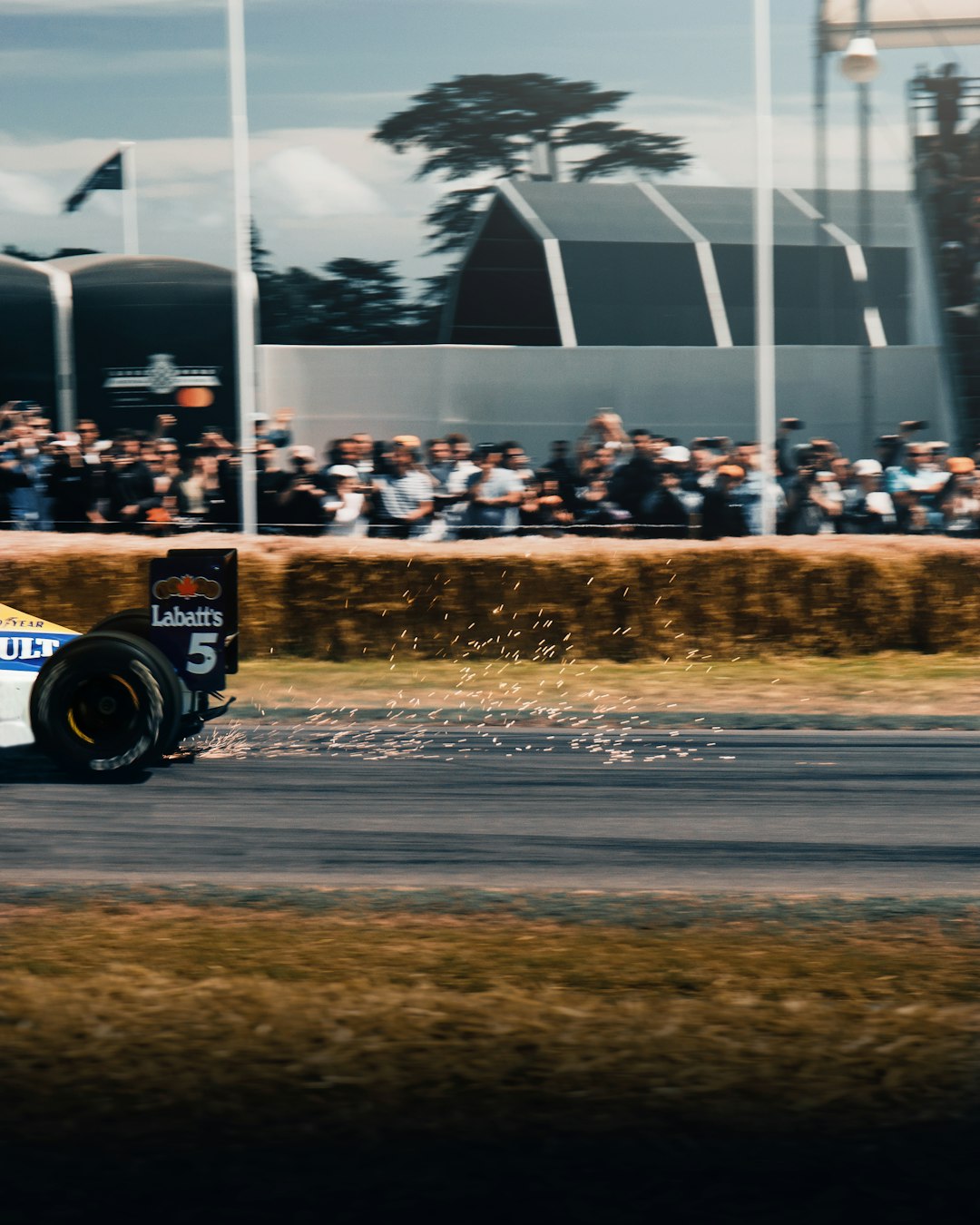
The name comes from the sport’s European roots. Motor racing became popular in France in the late 19th and early 20th centuries, and many early races used French terminology. The first event officially known as a Grand Prix was the 1906 French Grand Prix, organized by the Automobile Club de France.
At that time, the race was a massive contest of endurance and engineering. Cars were far less reliable than modern machines, and drivers faced long distances, rough roads, and limited safety. Winning such an event was considered a “great prize,” both literally and symbolically.
As international racing grew, the term spread. By the time the Formula 1 World Championship began in 1950, Grand Prix had already become the standard phrase for top-level races.
What Is a Grand Prix in Formula 1?
In Formula 1, a Grand Prix is one round of the championship. A typical F1 season contains multiple Grands Prix held around the world. Each one takes place at a specific circuit and contributes to the title battle.
A Formula 1 Grand Prix usually includes the following elements:
- Practice sessions: Drivers and teams gather data, test setups, and learn track conditions.
- Qualifying: Drivers compete to decide the starting order for the race.
- Sprint sessions: At selected events, a shorter race may be added to the weekend format.
- The Grand Prix race: The main event, usually held on Sunday.
- Points allocation: Championship points are awarded based on finishing positions.
Although fans often use “Grand Prix” to mean the race itself, the official term can cover the whole event weekend. This is why broadcasters may talk about “Grand Prix weekend” rather than simply “race day.”
How Is a Grand Prix Named?
Most F1 Grands Prix are named after the country where they are held, such as the Japanese Grand Prix, Canadian Grand Prix, or Spanish Grand Prix. However, there are exceptions.
Some races are named after cities or regions. The Monaco Grand Prix is named after the Principality of Monaco, while the Las Vegas Grand Prix is named after the city. In some cases, a country may host more than one Grand Prix in the same season, so different names are needed.
For instance, Italy has hosted both the Italian Grand Prix at Monza and the Emilia Romagna Grand Prix at Imola. The United States has also hosted multiple races with names such as the United States Grand Prix, Miami Grand Prix, and Las Vegas Grand Prix.
Commercial sponsorship can also appear in the official race title. However, the core Grand Prix name remains the part most fans remember.
Is Grand Prix the Same as Formula 1?
No, Grand Prix and Formula 1 are not exactly the same thing. Formula 1 is the championship, the category of racing, and the set of technical and sporting rules under which teams compete. A Grand Prix is one event within that championship.
A simple comparison helps explain the difference:
- Formula 1: The global racing series.
- Grand Prix: A specific race weekend in that series.
- F1 car: The vehicle built to Formula 1 regulations.
- F1 season: The full calendar of Grands Prix.
In other words, Formula 1 is the sport, while each Grand Prix is a contest within the sport.
How Many Grands Prix Are in an F1 Season?
The number of Grands Prix in a Formula 1 season has changed over time. Early championships had relatively few rounds, mostly in Europe. Modern F1 is a worldwide championship with races across Europe, Asia, the Middle East, the Americas, and Australia.
Recent seasons have featured more than 20 Grands Prix, making the calendar much longer than it once was. The exact number depends on the official schedule set by Formula 1 and the FIA, as well as contracts with race promoters and host countries.
A longer calendar means more opportunities for drivers to score points, but it also creates greater demands on teams, mechanics, engineers, and logistics staff.

What Happens During a Grand Prix Weekend?
A Grand Prix weekend follows a structured format. While details can vary, especially during sprint weekends, the traditional schedule includes practice on Friday, qualifying on Saturday, and the race on Sunday.
Friday: Practice
Practice sessions allow teams to prepare the car for the circuit. Engineers study tire wear, fuel loads, aerodynamic balance, braking performance, and long-run pace. Drivers also learn how the track feels under current conditions.
Saturday: Qualifying
Qualifying determines the starting grid. The fastest driver normally starts from pole position, which is the first position on the grid. Starting near the front is a major advantage because overtaking can be difficult on many circuits.
Sunday: Race Day
The Grand Prix race is the main event. Drivers compete over a set distance, usually around 305 kilometers, except at Monaco, which is shorter due to its slower street circuit layout. Strategy, tire choices, pit stops, safety cars, weather, and driver skill all influence the final result.
Why Are Grands Prix Important?
Every Grand Prix matters because championship points are at stake. Drivers compete for the Drivers’ Championship, while teams compete for the Constructors’ Championship. These titles are the highest honors in Formula 1.
Grands Prix are also important because they build the identity of the sport. Some races are famous for history, others for atmosphere, and others for technical challenge. The Monaco Grand Prix is known for glamour and narrow streets. The British Grand Prix is celebrated for passionate fans and fast corners. The Belgian Grand Prix at Spa-Francorchamps is loved for elevation changes and unpredictable weather.
Each Grand Prix adds a different character to the championship, making the season more varied and dramatic.
What Is the Most Famous Grand Prix?
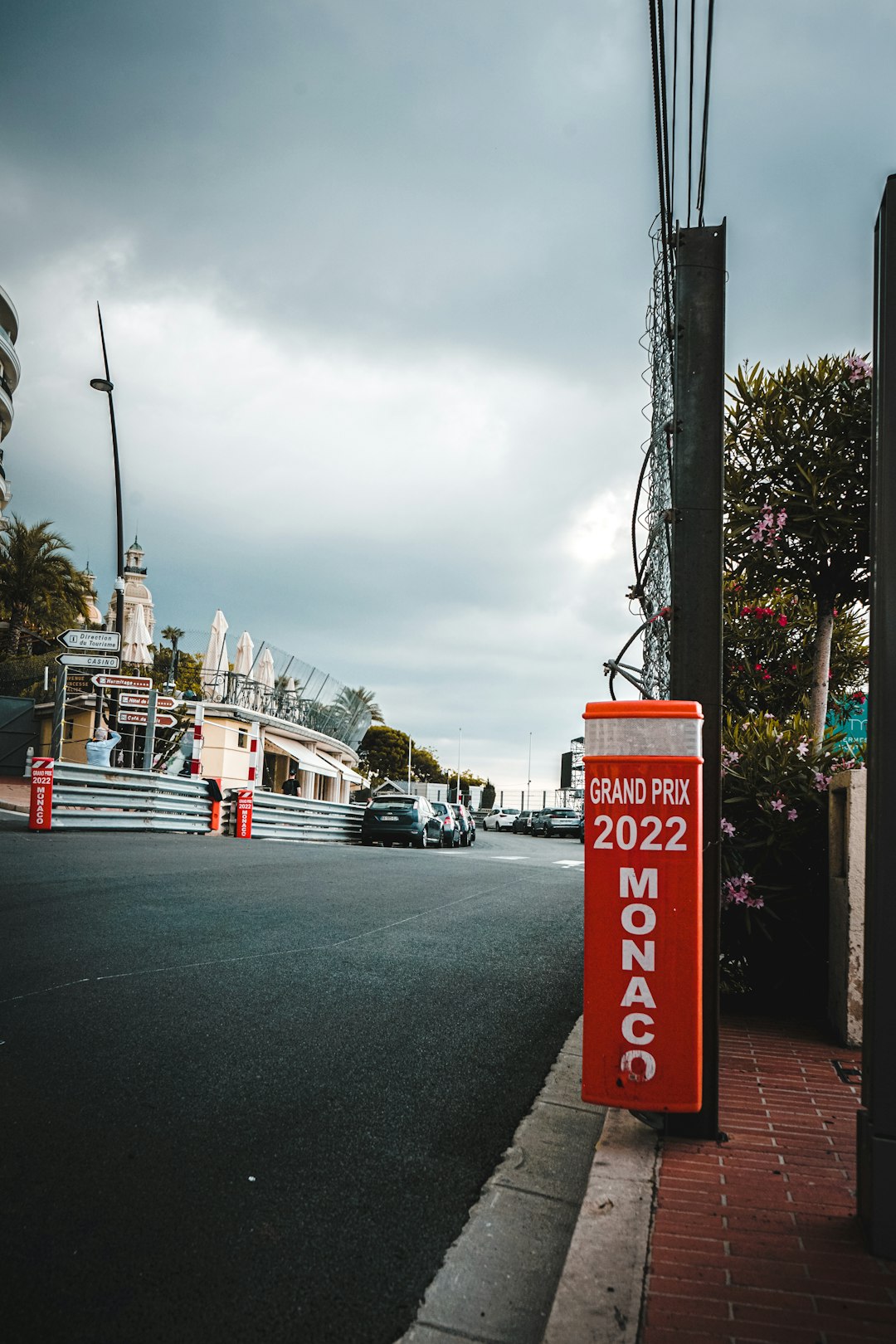
The Monaco Grand Prix is often considered the most famous Formula 1 race. It is held on the streets of Monte Carlo and has been part of motorsport history for decades. Its tight corners, barriers, tunnel section, harbor views, and glamorous setting make it unique.
However, other Grands Prix are equally important in different ways. The Italian Grand Prix at Monza is one of the oldest and fastest races. The British Grand Prix is deeply connected to F1 history because the first official Formula 1 World Championship race was held at Silverstone in 1950.
Does Every F1 Race Have Grand Prix in the Name?
Yes, official Formula 1 championship races are generally referred to as Grands Prix. Even when fans casually say “the Miami race” or “the race at Silverstone,” the official event name will usually include Grand Prix.
There can be differences in branding and sponsorship, but the Grand Prix label remains central. It signals that the event is a recognized round of the Formula 1 World Championship.
What Makes a Grand Prix Different from Other Races?
A Formula 1 Grand Prix is different from ordinary races because of its global status, strict regulations, elite drivers, advanced technology, and championship importance. F1 teams spend enormous resources preparing for each Grand Prix, and every detail can affect performance.
The cars are among the fastest and most complex racing machines in the world. The drivers must manage speed, tire life, energy recovery, braking, race strategy, and pressure from rivals. The teams must make split-second decisions during pit stops and changing race conditions.
This combination of engineering, athletic skill, teamwork, and strategy is what gives each Grand Prix its prestige.
Conclusion
In Formula 1, Grand Prix means much more than a race. It refers to a prestigious championship event with deep historical roots, international importance, and major sporting consequences. The phrase may mean “Great Prize”, but in F1 it represents speed, tradition, competition, technology, and drama.
Whether it is held on a permanent circuit like Silverstone, a high-speed temple like Monza, or the streets of Monaco and Las Vegas, every Grand Prix plays a part in shaping the Formula 1 season. For fans, understanding the meaning of the term helps make the sport’s language, history, and structure much clearer.
FAQ
What does Grand Prix literally mean?
Grand Prix literally means “Great Prize” in French. It originally referred to major races that offered prestige and significant rewards.
What does Grand Prix mean in F1?
In F1, a Grand Prix is an official race event that forms one round of the Formula 1 World Championship.
Is a Grand Prix just the Sunday race?
Not always. While many people use the term for the Sunday race, it can also refer to the whole race weekend, including practice and qualifying.
Why does Formula 1 use a French term?
Formula 1 uses the term because early organized motor racing was heavily influenced by France, where the phrase Grand Prix became associated with major racing events.
How many Grands Prix are in a season?
The number changes depending on the calendar. Modern Formula 1 seasons usually include more than 20 Grands Prix.
What is the oldest F1 Grand Prix?
The British Grand Prix was part of the first Formula 1 World Championship in 1950, while races such as the French, Italian, and Monaco Grands Prix have even older motorsport histories.
Which Grand Prix is the most prestigious?
The Monaco Grand Prix is often considered the most prestigious because of its history, difficulty, glamour, and unique street circuit.
Can one country have more than one Grand Prix?
Yes. A country can host multiple Grands Prix if events use different official names, such as city, regional, or sponsor-based titles.