Inflatable NFL helmets are a familiar sight at tailgates, fan festivals, youth football days, halftime activations, and team-themed entrances. They can be visually impressive, easy to transport compared with rigid structures, and effective for creating a professional game-day atmosphere. However, the words “NFL helmet” can create confusion: an inflatable helmet used as a tunnel, decoration, or promotional display is very different from a certified football helmet worn by athletes during play.
TLDR: Inflatable NFL helmets can be safe and legal for sporting events when they are used as decorations, entrances, or promotional structures and are installed under proper safety controls. They are not safe or legal as protective athletic equipment and should never replace a certified football helmet. Event organizers must also consider venue rules, fire codes, anchoring, electrical safety, crowd control, insurance, and trademark or licensing issues before using NFL-branded inflatables.
What Is an Inflatable NFL Helmet?
An inflatable NFL helmet is usually a large air-filled structure shaped like a football helmet and decorated with a team logo, colors, or styling. These structures may be used as:
- Entrance tunnels for teams to run through before a game
- Fan photo opportunities at stadiums, schools, or community events
- Tailgate decorations outside venues
- Promotional displays for sponsors, teams, or local businesses
- Indoor event props for watch parties or sports banquets
Most inflatable helmets are made from commercial-grade vinyl, PVC, nylon, or similar coated fabrics. They are kept inflated by either a continuous air blower or sealed air chambers. Their safety depends heavily on design quality, installation, weather conditions, and supervision.
Are Inflatable NFL Helmets Safe?
They can be safe for display and event use if they are designed, installed, and monitored correctly. They are not inherently dangerous, but they do introduce risks that event organizers must manage seriously.
The most common safety concerns include:
- Tip-over or collapse risk: Large inflatables can shift, deflate, or fall if not properly anchored.
- Wind exposure: Outdoor inflatables can become unstable in strong wind or sudden gusts.
- Trip hazards: Blower cords, tie-down straps, stakes, and sandbags can create hazards for players and spectators.
- Electrical risk: Blowers and extension cords must be rated for the environment and protected from moisture.
- Fire safety: Materials should be flame-retardant where required by local fire codes.
- Crowd congestion: Photo areas and entrance tunnels can attract crowds and block walkways.
- Improper use by children: Climbing, jumping on, or hanging from the inflatable can cause injury or damage.
A properly managed inflatable should be treated like temporary event equipment, not a casual decoration. Organizers should inspect seams, anchor points, zippers, blowers, and electrical connections before use. If the event is outdoors, staff should monitor the weather continuously and deflate the structure if wind speeds exceed the manufacturer’s safety limit.
They Are Not Protective Football Helmets
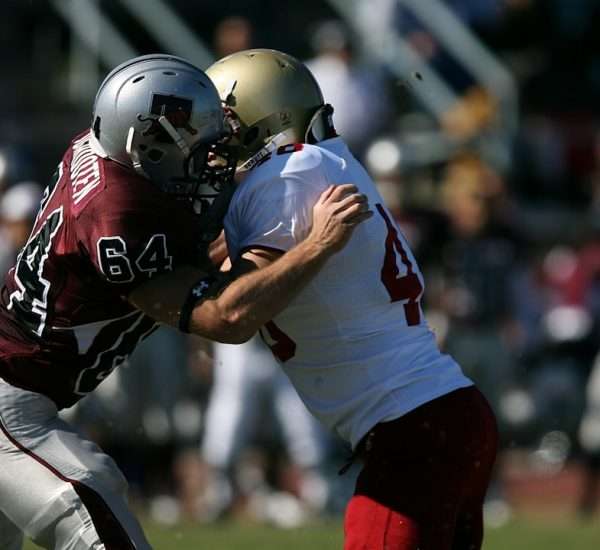
This point is essential: an inflatable NFL helmet is not athletic protective equipment. It should never be worn by a player in practice, competition, drills, or any activity involving contact. Football helmets used in organized play must meet established safety standards, commonly including certification and recertification requirements from recognized bodies such as NOCSAE in the United States.
An inflatable helmet has no meaningful ability to protect against concussion, skull fracture, facial injury, or neck trauma. Its shape may resemble an NFL helmet, but its purpose is decorative or promotional. Any suggestion that an inflatable helmet could be used as a substitute for certified football equipment would be unsafe and irresponsible.
Are Inflatable NFL Helmets Legal at Sporting Events?
In most cases, inflatable helmets are legal to use at sporting events, but legality depends on how they are used, where they are placed, and whether they display protected trademarks. There is no general law banning inflatable sports props. However, several layers of rules may apply.
1. Venue Rules
Stadiums, schools, universities, parks, and recreation departments often have their own policies for temporary structures. A venue may require advance approval, proof of insurance, professional installation, or restrictions on size and location. Some venues do not allow inflatables near emergency exits, player pathways, seating aisles, or concession areas.
2. Local Permits and Fire Codes
Depending on the size and location of the inflatable, local authorities may require permits. Fire marshals may ask for documentation showing that the material is flame-retardant. Indoor installations are often reviewed more carefully because they can affect exit routes, sprinkler clearance, and crowd movement.
3. Electrical and Weather Regulations
If the inflatable uses a blower, the electrical setup must comply with basic safety standards. Outdoor use generally requires weather-rated cords, ground fault circuit interrupter protection, and safe cable management. Some municipalities or venues may require a licensed electrician for larger activations.
4. Trademark and Licensing Law
The phrase “NFL helmet” raises an important legal issue. NFL team names, logos, colors in specific combinations, and helmet designs are typically protected intellectual property. If an inflatable displays an official team logo or resembles a specific NFL team’s branded helmet, commercial use may require permission or licensing.
For example, a private fan using a team-themed inflatable at a home party is different from a company using an NFL-branded inflatable to attract customers at a paid event. Schools, sponsors, vendors, and event promoters should be cautious. Unauthorized commercial use of NFL marks can lead to takedown demands, licensing disputes, or other legal consequences.
When Inflatable Helmets Are Usually Acceptable
Inflatable football helmets are typically acceptable when they are used as decorative or ceremonial structures and when the organizer has permission from the venue. Common acceptable uses include:
- Team entrance tunnels before a game
- Photo backdrops at fan events
- Non-branded football-themed displays
- School spirit events using school-approved marks
- Community sports celebrations with proper supervision
For non-commercial events, a generic football helmet design is often simpler from a legal standpoint than one featuring NFL branding. If official NFL or team marks are involved, the safest approach is to confirm that the supplier is licensed or that the event has written authorization.
When Inflatable Helmets May Not Be Allowed
Even if an inflatable is well made, it may be prohibited in certain circumstances. Organizers should be especially careful if:
- The inflatable blocks exits or emergency access.
- The weather forecast includes high winds, lightning, or heavy rain.
- The structure is placed too close to active play.
- Electrical cords cross public walkways without protection.
- The inflatable uses unlicensed NFL logos for commercial promotion.
- No trained staff are available to supervise the area.
- The manufacturer cannot provide safety specifications.
In these situations, the risk may outweigh the benefit. A safe event plan should include the authority to delay, relocate, or deflate the inflatable if conditions change.
Best Practices for Safe Use
Any organization planning to use an inflatable helmet should adopt a written safety checklist. At minimum, it should include the following steps:
- Use a reputable supplier. Choose a vendor that provides commercial-grade inflatables, setup instructions, repair guidance, and safety documentation.
- Verify flame resistance. Ask for certificates if the inflatable will be used indoors or at a regulated public event.
- Anchor it correctly. Use manufacturer-approved stakes, ballast, sandbags, or weighted systems suitable for the surface.
- Monitor wind limits. Do not rely on guesswork. Follow the manufacturer’s maximum wind speed guidance.
- Protect electrical equipment. Use properly rated blowers, cords, and connectors. Keep electrical components dry.
- Control access. Prevent climbing, rough play, or unauthorized entry into blower and anchor areas.
- Keep emergency paths clear. Confirm that exits, fire lanes, and medical access routes remain open.
- Inspect before and during use. Look for tears, loose attachments, overheating blowers, and unstable movement.
- Assign trained supervision. A responsible adult or staff member should watch the structure while it is inflated.
Insurance and Liability Considerations
For public sporting events, insurance is not a minor detail. If someone trips over a cord, is struck by a collapsing structure, or suffers an injury while interacting with the inflatable, liability questions may arise. The event organizer, venue, rental company, school, sponsor, or installer could potentially be involved.
Before the event, organizers should ask:
- Does the vendor carry general liability insurance?
- Does the venue require a certificate of insurance?
- Who is responsible for setup, supervision, and takedown?
- Are spectators allowed to enter or touch the inflatable?
- Is there a written emergency plan for weather or deflation?
Clear contracts and documented responsibilities reduce confusion. For schools and youth organizations, it is especially important to follow district policies and risk-management procedures.
Special Considerations for Youth and School Sports
Inflatable helmet tunnels are popular at youth football games, pep rallies, and high school events. They can build excitement and make young athletes feel celebrated. Still, schools should apply conservative safety standards because children may be more likely to run, climb, push, or crowd around the structure.
School administrators should confirm that the inflatable does not interfere with athlete warmups, marching band routes, cheerleading areas, officials’ access, or emergency medical response. If the helmet includes a professional team logo, schools should also consider whether the use is permitted under licensing rules, especially if the event involves ticket sales, sponsorship banners, or merchandise.
So, Are They Safe and Legal?
The most accurate answer is: yes, inflatable NFL helmets can be safe and legal for sporting events, but only under the right conditions. They should be used as temporary event structures, not toys and absolutely not protective sports equipment. Safety depends on proper anchoring, weather awareness, electrical care, supervision, and compliance with venue and fire rules.
Legality depends on permissions and branding. A generic inflatable football helmet is usually easier to approve than one displaying official NFL or team marks. If a structure uses NFL branding in a commercial or public setting, organizers should verify licensing or obtain written permission.
In short, inflatable helmets can add excitement and professionalism to a sporting event, but they require serious planning. Treat them with the same care as any other temporary structure used around athletes and crowds. When organizers follow safety standards, respect trademark rules, and coordinate with the venue, inflatable helmets can be an enjoyable and appropriate part of the game-day experience.