American football can look chaotic. Big hits. Fast runs. Complex plays. But behind the noise is a game of smart planning and clever tactics. Every snap is a chess move. Every yard is earned with strategy. In this guide, we break it all down. From beginner basics to advanced schemes. Simple. Fun. Easy to follow.
TLDR: American football tactics are about space, timing, and teamwork. Offenses try to score using smart formations, runs, and passes. Defenses react with coverage schemes and pressure. Advanced teams disguise plays and adjust in real time. Once you understand the patterns, the game becomes much more exciting to watch.
Understanding the Big Picture
Before plays and formations, know this: football is about territory.
- The offense wants to move the ball down the field.
- The defense wants to stop them.
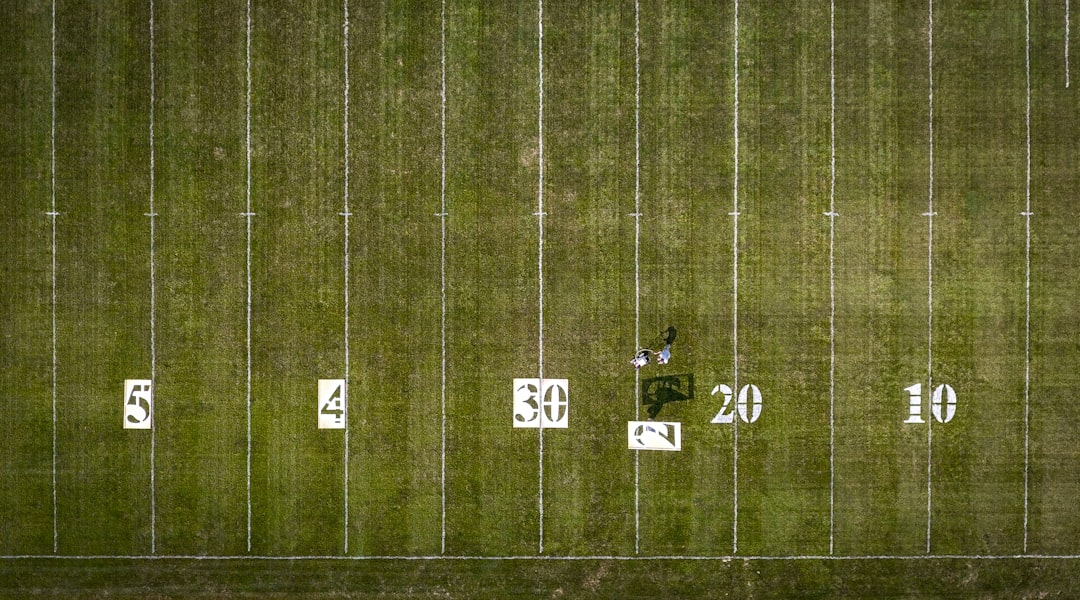
- The field is 100 yards long.
- Teams get 4 downs to gain 10 yards.
Gain 10 yards? You get a new set of downs. Fail? The other team gets the ball.
Everything else builds from this simple rule.
Offensive Tactics: How Teams Score
Offense is about pressure and creativity. Good offenses keep defenses guessing.
1. Formations
A formation is how players line up before the snap.
Common formations include:
- I-Formation – Run-heavy. Strong and direct.
- Shotgun – Quarterback stands farther back. Great for passing.
- Singleback – Balanced attack.
- Trips – Three receivers on one side. Forces coverage decisions.
Each formation tells a story. Or tries to trick the defense into believing one.
2. Running Plays
Running is about strength and timing.
Main types:
- Inside Run – Straight through the middle.
- Outside Run – Stretch to the edge.
- Draw Play – Looks like a pass. Then becomes a run.
- Option Play – Quarterback decides to hand off or keep the ball.
Blocking is everything. Offensive linemen create holes. Running backs find daylight.
Good run teams wear defenses down. Slowly. Painfully. Effectively.
3. Passing Plays
Passing spreads the defense out. It attacks space.
Common passing concepts:
- Slant – Quick, sharp inside route.
- Out Route – Break toward the sideline.
- Post – Angle toward goal posts.
- Go Route – Sprint straight downfield.
- Screen Pass – Short pass with blockers ahead.
Timing matters. Quarterbacks often throw before receivers turn around.
Great passing teams read defenses in seconds.
Defensive Tactics: How Teams Stop the Offense
Defense is reaction and disruption. It’s about pressure and discipline.
1. Defensive Formations
Defenses line up based on how many players rush and how many cover.
- 4-3 Defense – Four linemen, three linebackers. Balanced.
- 3-4 Defense – Three linemen, four linebackers. Flexible.
- Nickel Defense – Five defensive backs. Stops passing.
- Dime Defense – Six defensive backs. Long pass situations.
Each setup adjusts to game situations.
2. Coverage Types
Coverage is how defenders guard receivers.
- Man-to-Man – Each defender guards one player.
- Zone Coverage – Defenders guard areas.
- Cover 2 – Two safeties split deep field.
- Cover 3 – Three deep defenders divide space.
- Blitz – Extra players rush the quarterback.
Man coverage is aggressive. Zone is strategic.
Blitzing is risky. If it works, it’s explosive. If not, big plays happen.
Special Teams Tactics
Special teams are often ignored. But they change games.
- Punt Strategy – Flip field position.
- Field Goals – Secure easy points.
- Kickoff Returns – Create momentum.
- Onside Kick – Surprise recovery attempt.
Coaches think carefully about risk versus reward.
Beginner Level Strategy
If you are new, focus on these basics:
- Watch where the quarterback looks.
- Notice how defenses line up before the snap.
- See how offensive lines block.
- Track down and distance situations.
Example:
- 3rd and 1? Likely a run.
- 3rd and 15? Likely a pass.
Game situation shapes tactics.
Intermediate Strategy: Reading the Chessboard
Here is where football gets clever.
Play Action
The offense fakes a run. Then passes.
This works because linebackers step forward to stop the run.
A small fake. A big gain.
RPO (Run Pass Option)
The quarterback reads a defender.
- If defender attacks run → throw pass.
- If defender drops back → hand off.
It’s decision-making in under two seconds.
Audibles
Quarterbacks change plays at the line.
They read the defensive setup.
Wrong look? New play.
This is mental warfare.
Advanced Tactics: The Elite Level
This is where experts shine.
Disguised Coverage
Defenses show one look. Then rotate after the snap.
A safety may step down late. A corner may drop back.
The goal is confusion.
Motion and Shifts
Offenses move players before the snap.
Why?
- Identify coverage.
- Create mismatches.
- Force defensive adjustments.
If a defender follows motion, it’s likely man coverage.
If not, it’s likely zone.
Matchups
Great teams hunt weaknesses.
- Fast receiver vs slow corner.
- Strong runner vs light defense.
- Tall receiver in red zone.
Football is physics and psychology combined.
Clock Management
Time is a weapon.
- Leading team runs the ball to burn clock.
- Trailing team uses sidelines to stop clock.
- Timeouts are precious tools.
Late-game tactics often decide championships.
Offensive vs Defensive Strategy Comparison
| Aspect | Offense | Defense |
|---|---|---|
| Goal | Score points | Prevent scoring |
| Mindset | Creative and deceptive | Reactive and disruptive |
| Risk Level | High on deep passes | High on blitz plays |
| Control | Starts the play | Adjusts to offense |
| Key Skill | Timing | Reading plays |
Key Tactical Terms Made Simple
- Red Zone – Inside the opponent’s 20-yard line.
- Two-Minute Drill – Fast scoring attempt before halftime or end.
- Turnover – Losing possession via interception or fumble.
- Sack – Quarterback tackled behind line of scrimmage.
- Pick Six – Interception returned for touchdown.
When you know these terms, you understand the drama.
How Tactics Evolve Over Time
Football changes constantly.
Years ago, teams ran the ball more.
Now, the game is faster and pass-heavy.
Analytics influence decisions:
- Going for it on 4th down more often.
- Attempting two-point conversions.
- Passing on early downs.
Modern coaches mix math with instinct.
Why Tactics Matter So Much
Talent is important.
But tactics multiply talent.
A smart scheme can:
- Hide weak players.
- Highlight stars.
- Control tempo.
- Break momentum.
The best teams are not just strong. They are adaptable.
Final Thoughts
American football is not random chaos. It is organized strategy. Every shift. Every fake. Every blitz. It all has purpose.
Start with formations. Learn basic plays. Then watch how teams disguise intentions.
The more you see, the more you understand.
And once you understand the tactics, the game becomes addictive.
Because beneath every touchdown is a hidden battle of minds.