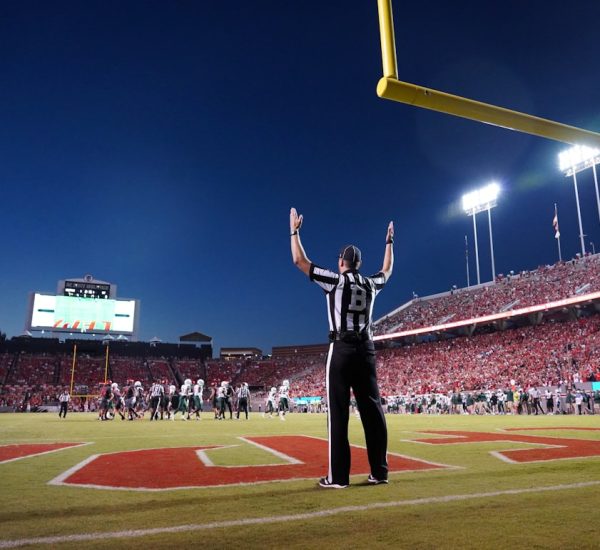
Andy Reid is widely regarded as one of the most accomplished coaches in NFL history. With multiple Super Bowl appearances and championships to his name, his legacy on the sidelines is secure. Yet many fans still wonder about his path to greatness before his coaching career took off. Did Andy Reid play football himself, and if so, how did his playing days shape the coach he would become?
TLDR: Andy Reid did play football before becoming a legendary NFL coach. He was an offensive lineman in college, playing at Brigham Young University (BYU) after starting at Glendale Community College. Although he never played professionally in the NFL, his experience as a player—particularly on the offensive line—deeply influenced his coaching philosophy. His background helped shape his emphasis on quarterback protection, offensive creativity, and disciplined line play.
Early Athletic Foundations
Long before he became a Super Bowl-winning head coach, Andy Reid was a large, disciplined young athlete growing up in Los Angeles, California. Born on March 19, 1958, Reid stood out early—not just for his size, but for his intelligence and composure. By the time he reached high school at John Marshall High School, he was already developing the traits that would later define his coaching career: focus, leadership, and a deep understanding of the game.
Reid played offensive tackle in high school. At 6-foot-3 and well over 250 pounds as a teenager, he had the frame ideal for line play. But more than physical attributes, coaches noticed his advanced grasp of strategy. Former teammates have often described Reid as someone who studied the game closely, even as a player.
Junior College Beginnings
After high school, Reid attended Glendale Community College in California. There, he continued to develop as an offensive lineman. Junior college football served as a crucial stepping stone, refining his technique and preparing him for the next level of competition.
- Position: Offensive tackle
- Role: Starter on the offensive line
- Focus: Pass protection and run blocking fundamentals
At this stage, Reid was not viewed as a future professional player, but he was respected for his work ethic and football intelligence. Those qualities would soon earn him an opportunity to play at a prominent program.
Brigham Young University (BYU) Experience
Reid transferred to Brigham Young University (BYU), where he played under legendary head coach LaVell Edwards. This chapter would prove pivotal—not necessarily for Reid’s playing excellence, but for his exposure to a sophisticated offensive philosophy.
At BYU in the late 1970s, the football program was known for its innovative passing attack. LaVell Edwards was ahead of his time, implementing a pass-heavy offense that contrasted sharply with the run-dominant schemes of that era. Reid, playing on the offensive line, directly absorbed these ideas.
During his time at BYU:
- He blocked for successful passing offenses.
- He witnessed complex route designs and quarterback development.
- He learned how offensive structure dictates game tempo.
Though Reid was not an All-American or high-profile standout, he was a steady contributor. More importantly, he was a student of the game. Teammates have recalled that even as a player, Reid exhibited coaching tendencies—analyzing plays and discussing strategy in detail.
Did Andy Reid Play in the NFL?
The short answer is no. Andy Reid did not play in the NFL.
Despite being a capable collegiate offensive lineman, Reid did not attract serious interest as a professional prospect. His athletic ceiling and physical tools were solid but not elite by NFL standards. However, the absence of a pro playing career did not hinder his professional future.
In fact, many successful NFL coaches have not had long—or any—NFL playing careers. What distinguishes Reid is how fully he leveraged his playing experience into coaching expertise.
From Player to Coach: A Natural Transition
After finishing his playing days at BYU, Reid did not drift away from football. Instead, he moved directly into coaching. His first coaching roles came at the collegiate level, including a graduate assistant position at BYU.
This transition seemed almost inevitable. Even during his college years, Reid’s analytical mindset set him apart. Where some players relied purely on instinct or athleticism, Reid focused on structure and systems.
As a former offensive lineman, he developed a lifelong appreciation for:
- Quarterback protection
- Offensive line chemistry
- Play design precision
- Trench discipline
These themes became cornerstones of his NFL coaching identity.
How His Playing Days Influenced His Coaching Style
Although Andy Reid’s playing career never reached the professional ranks, it fundamentally shaped the coach he became. His background as an offensive lineman is particularly significant.
1. Offensive Innovation Rooted in Experience
At BYU, Reid witnessed one of the earliest modern passing systems. The exposure to LaVell Edwards’ offense left a lasting imprint. Decades later, Reid would become known for his creative passing attacks with teams like the Philadelphia Eagles and Kansas City Chiefs.
The foundation of that innovation can be traced to his collegiate education—not just academically, but tactically.
2. Respect for the Offensive Line
Unlike some coaches who prioritize skill positions over linemen, Reid consistently invests in offensive line development. His teams rarely neglect the trenches.
This philosophy stems directly from personal experience. Reid understands the psychological and physical demands of line play—knowledge he gained firsthand.
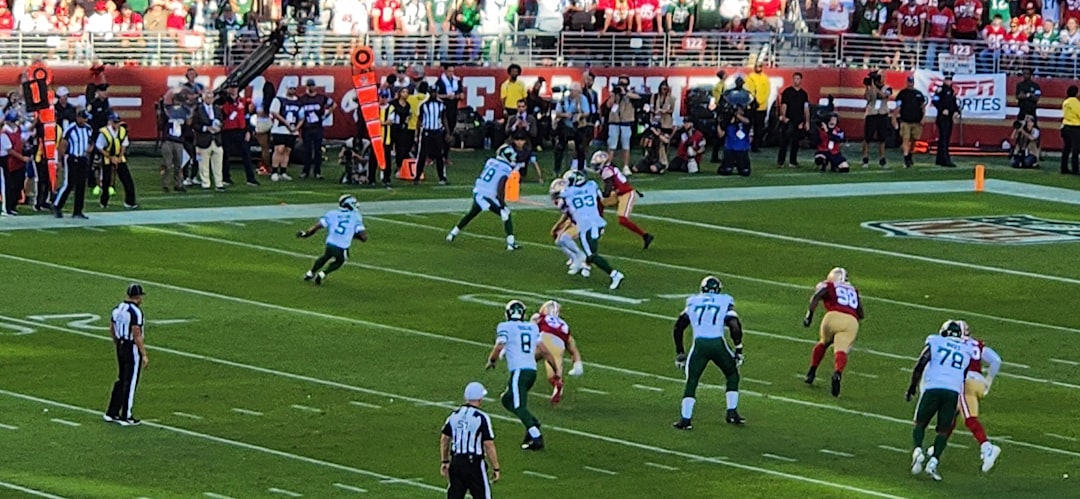
Throughout his tenure in the NFL:
- His quarterbacks have typically enjoyed strong protection.
- His teams emphasize technical line fundamentals.
- He prioritizes depth and toughness up front.
This emphasis has contributed significantly to the success of quarterbacks like Donovan McNabb, Alex Smith, and Patrick Mahomes.
3. Player Communication
Because Reid experienced college football from the inside, he relates effectively to players. He understands practice fatigue, positional pressure, and locker room dynamics. That empathy often translates into loyalty from his roster.
Multiple former players have described Reid as:
- A patient teacher
- A clear communicator
- A steady presence under pressure
These qualities are frequently strongest in coaches who have played the game themselves.
The Myth of the “Non-Playing” Coach
There is sometimes a misconception that great coaches must have been star players. Andy Reid challenges that notion. While he did play competitive college football, he was not a national headline-maker.
His career illustrates an important distinction: elite playing ability is not a prerequisite for elite coaching ability.
In many ways, Reid’s moderate playing career may have benefited him. Without the distraction of chasing a long NFL playing career, he was able to transition into coaching early. That provided him with:
- Decades of developmental experience
- Exposure to multiple systems
- Time to refine leadership skills
By the time he became the head coach of the Philadelphia Eagles in 1999, Reid had already accumulated substantial coaching knowledge.
A Small but Memorable Spotlight Moment
An often-cited anecdote from Reid’s youth involved his appearance on television as a large child participating in athletic competitions. Even then, he showed poise and confidence. While not directly tied to his collegiate playing days, it added to the narrative of Reid being physically and mentally suited for football from a young age.
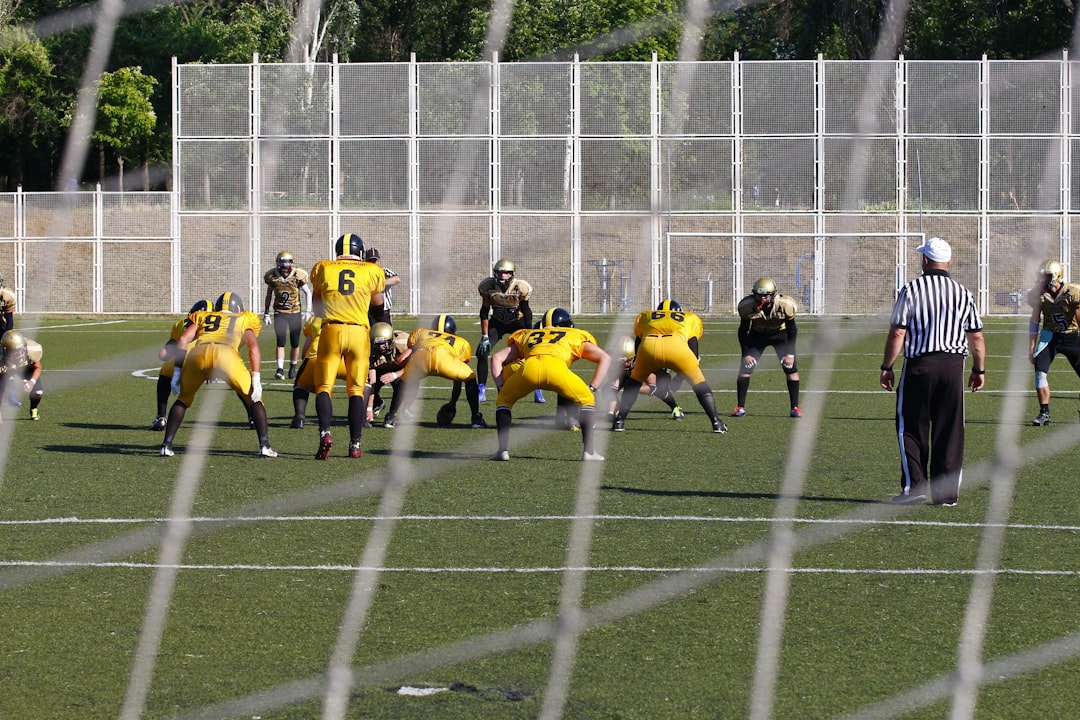
These early glimpses reinforce the idea that football was never incidental in Reid’s life. It was always central.
Comparing Reid to Other Coaches
When evaluating whether playing experience matters in coaching, it helps to compare Reid with peers:
- Bill Belichick: Played briefly at Wesleyan University.
- Mike Tomlin: Played wide receiver at William & Mary.
- Sean McVay: Played wide receiver at Miami University (Ohio).
Many top NFL coaches played only at the college level. Reid fits squarely within that tradition. The difference lies not in how far he advanced as a player, but in how effectively he translated those lessons into strategic mastery.
Why the Question Still Matters
Fans often ask whether Andy Reid played before coaching because playing experience is commonly associated with credibility. In professional sports, authenticity matters. Players tend to respect coaches who understand the physical challenges of the game.
Reid’s background provides that credibility. He knows the feeling of lining up across from a powerful defensive lineman. He understands the discipline required in the trenches. That lived experience strengthens his authority.
Yet his story also reinforces a broader truth: coaching excellence depends on preparation, adaptability, and leadership more than personal playing accolades.
Conclusion
So, did Andy Reid play football before coaching? Yes—he was a college offensive lineman who competed at both Glendale Community College and BYU. He did not play in the NFL, nor was he a nationally celebrated collegiate star. But his time in the trenches left an indelible mark on his football philosophy.
Reid’s playing career may not fill highlight reels, but its impact is undeniable. It shaped his respect for offensive line play, informed his innovative passing schemes, and strengthened his connection with players. Ultimately, his journey demonstrates that understanding the game deeply matters more than standing out statistically. His legacy is built not on what he accomplished as a player, but on how thoroughly he transformed that experience into championship-caliber coaching.