In 2026, sports recovery has evolved from simple rest days to a sophisticated science-driven process that can dramatically improve performance, reduce injury risk, and extend athletic longevity. Elite athletes and everyday competitors alike now understand that recovery is not a passive activity—it’s an active strategy. Whether you’re training for a marathon, competing in team sports, or lifting heavy in the gym, the way you recover determines how fast and how far you’ll progress.
TLDR: Recovery is no longer just about rest—it’s a performance multiplier. The most effective methods in 2026 combine sleep optimization, smart nutrition, cold and heat exposure, compression therapy, and tech-powered tracking tools. Athletes who prioritize recovery see faster muscle repair, improved endurance, and reduced injury risk. The best results come from stacking multiple strategies into a consistent routine.
The Science Behind Faster Recovery
Every intense workout creates micro-tears in muscle fibers, depletes glycogen stores, stresses the nervous system, and triggers inflammation. Recovery is the biological process of rebuilding those tissues stronger than before. When managed correctly, this process leads to improved speed, strength, and endurance.
Modern sports science focuses on three essential recovery pillars:
- Muscle Repair – Rebuilding tissue through protein synthesis.
- Nervous System Reset – Restoring balance between sympathetic and parasympathetic systems.
- Inflammation Control – Reducing excessive inflammation without blocking beneficial adaptation.
Let’s explore the most effective recovery methods dominating 2026.
1. Optimized Sleep Protocols
Sleep remains the most powerful—and most underrated—recovery tool. During deep sleep, the body releases growth hormone, regulates cortisol, and repairs muscle damage.
In 2026, athletes are going beyond “eight hours a night.” They are focusing on:
- Sleep consistency (same bedtime and wake time daily)
- Dark room optimization with blackout curtains
- Cool temperature (60–67°F or 15–19°C)
- Wearable sleep tracking for REM and deep sleep analysis
High-performance athletes often incorporate 20–30 minute naps post-training to enhance reaction time and cognitive performance.

2. Cold Exposure & Contrast Therapy
Cold plunges have moved from trend to standard practice. When used strategically, cold therapy reduces inflammation, muscle soreness, and perceived fatigue.
Best practices in 2026:
- Water temperature: 50–59°F (10–15°C)
- Duration: 2–5 minutes
- Use post-competition or intense training
Contrast therapy—alternating between hot and cold—enhances circulation by creating a pumping effect in blood vessels.
Note: Cold exposure immediately after strength training may blunt hypertrophy if overused. For muscle growth, wait several hours before cold immersion.
3. Active Recovery Sessions
Gone are the days when recovery meant lying on the couch. Light movement promotes circulation, delivers nutrients to muscles, and removes metabolic waste.
Popular active recovery formats include:
- Low-intensity cycling
- Zone 1 heart rate cardio
- Mobility flow sessions
- Swimming
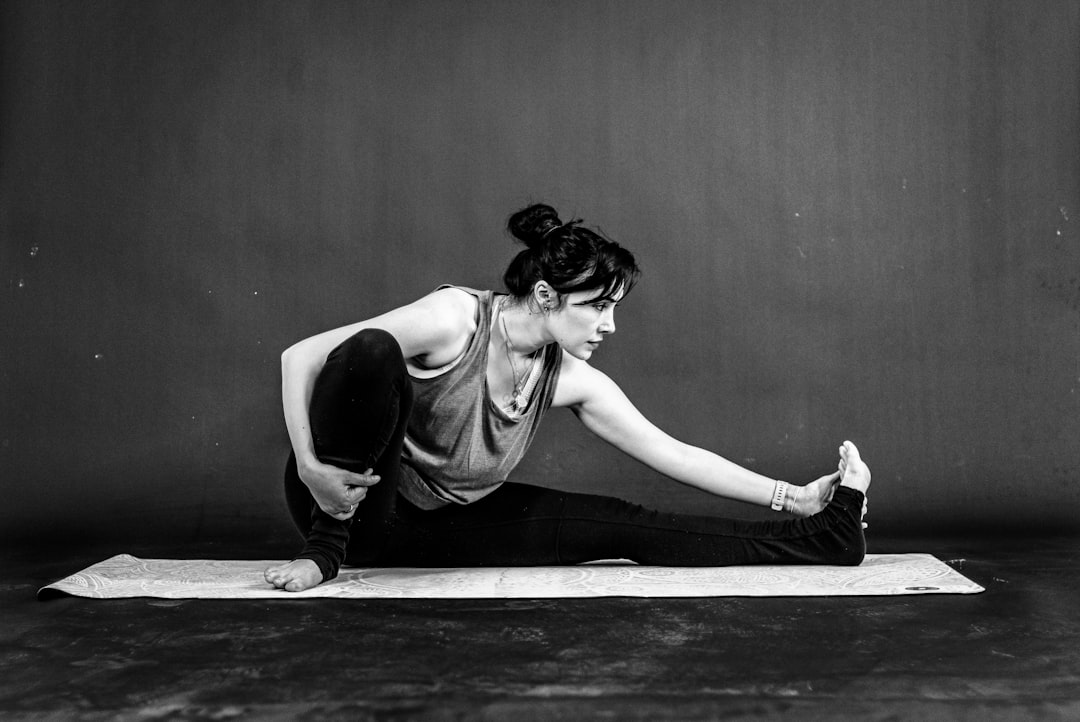
- Yoga and breathwork
Just 20–40 minutes of low-intensity movement can significantly reduce next-day soreness.
4. Advanced Nutrition for Muscle Repair
Nutrition strategies in 2026 are highly personalized. Recovery-focused eating includes:
Protein Timing
- 20–40g high-quality protein post-workout
- Even distribution across meals
- Slow-digesting protein before sleep
Glycogen Replenishment
- 1–1.2g carbohydrates per kg bodyweight post endurance sessions
Anti-Inflammatory Foods
- Fatty fish
- Tart cherry juice
- Turmeric
- Dark leafy greens
Hydration is equally critical. Adding electrolytes helps restore sodium, potassium, and magnesium lost during intense sessions.
5. Compression Therapy & Pneumatic Devices
Compression gear has advanced significantly. Pneumatic compression boots and sleeves use sequential pressure to improve circulation and lymphatic drainage.
Benefits include:
- Reduced swelling
- Improved venous return
- Faster removal of metabolic byproducts
Sessions typically last 20–30 minutes and are especially effective after lower-body intensive training.
6. Percussion Therapy & Myofascial Release
Percussion massage guns continue to be popular for targeted muscle recovery. They work by stimulating blood flow and reducing muscle stiffness.
Best uses:
- Pre-workout muscle activation
- Post-workout tension reduction
- Breaking up minor adhesions
Foam rolling remains a budget-friendly alternative, especially when combined with slow breathing techniques.
7. Infrared Saunas & Heat Therapy
Heat promotes vasodilation, enhancing nutrient delivery and relaxation. Infrared saunas are widely used in 2026 due to their deeper tissue penetration and cardiovascular benefits.
Potential advantages:
- Improved circulation
- Enhanced muscle relaxation
- Stress reduction
- Cardiovascular conditioning
Sessions typically range from 15–25 minutes.
8. Wearable Technology & Recovery Scoring
Modern athletes rely on wearable data to guide recovery decisions. Devices now monitor:
- Heart rate variability (HRV)
- Resting heart rate
- Sleep stages
- Respiratory rate
- Strain and readiness scores
HRV is particularly valuable—higher variability often signals better nervous system readiness.
Comparison Chart: Top Sports Recovery Tools (2026)
| Method | Best For | Cost Range | Time Required | Science Support |
|---|---|---|---|---|
| Sleep Optimization | Full body recovery | Low to Moderate | 7 to 9 hours | Very High |
| Cold Plunge | Inflammation reduction | Moderate to High | 2 to 5 min | High |
| Compression Boots | Leg recovery | High | 20 to 30 min | Moderate to High |
| Percussion Gun | Muscle tightness | Moderate | 5 to 10 min | Moderate |
| Infrared Sauna | Circulation and relaxation | Moderate to High | 15 to 25 min | Moderate |
| Active Recovery | Soreness reduction | Low | 20 to 40 min | High |
9. Breathwork & Nervous System Reset
High-intensity training activates the sympathetic (fight-or-flight) system. Proper recovery requires activating the parasympathetic (rest-and-digest) response.
Popular protocols include:
- 4-7-8 breathing
- Box breathing
- Physiological sigh technique
Just five minutes of controlled breathing can lower heart rate and speed up nervous system recovery.
10. Recovery Stacking for Maximum Results
The biggest trend in 2026 is recovery stacking—combining multiple methods in a strategic sequence.
Example stack after intense leg day:
- Post-workout protein + carbs
- Light 15-minute cooldown cycle
- Compression boots session
- Evening sauna (optional)
- Breathwork before bed
- Consistent 8-hour sleep
This layered approach amplifies physiological benefits.
Common Mistakes That Slow Recovery
- Under-eating protein
- Sleeping less than 6 hours
- Ignoring hydration
- Using cold therapy too frequently after hypertrophy sessions
- Training hard every day without deload weeks
Remember: recovery isn’t about doing everything daily—it’s about doing the right intervention at the right time.
Final Thoughts: Recovery Is Performance
The most successful athletes of 2026 don’t separate training from recovery—they treat them as two halves of the same system. Recovery accelerates adaptation, sharpens mental focus, and protects long-term health.
You don’t need every high-tech tool to improve. Start with high-impact fundamentals: sleep, nutrition, hydration, and active recovery. Then layer in advanced tools as your training intensity increases.
Train hard—but recover smarter. That’s how faster performance is truly built.