On chilly training mornings and in the middle of biting winter matches, athletes often look for ways to stay warm without sacrificing performance. One controversial accessory that occasionally enters the discussion is the Nike ski mask, also known as a balaclava. While commonly associated with winter sports and streetwear fashion, some football players wonder whether it can be worn on the pitch. The answer depends on several factors, including league rules, weather conditions, safety concerns, and practicality.
TLDR: Wearing a Nike ski mask while playing football is sometimes allowed, but it depends on the league’s rules and safety guidelines. In cold weather, certain face coverings like sports balaclavas may be permitted if they are safe and non-threatening. However, visibility, breathing comfort, communication, and official approval are key considerations. Players should always check competition regulations before wearing one in a match.
Football, whether referring to soccer or American football, is governed by clear equipment regulations. These rules focus on safety, fairness, and uniformity. Before deciding to step onto the field wearing a Nike ski mask, players must understand how those regulations apply to face coverings.
Understanding the Purpose of a Ski Mask
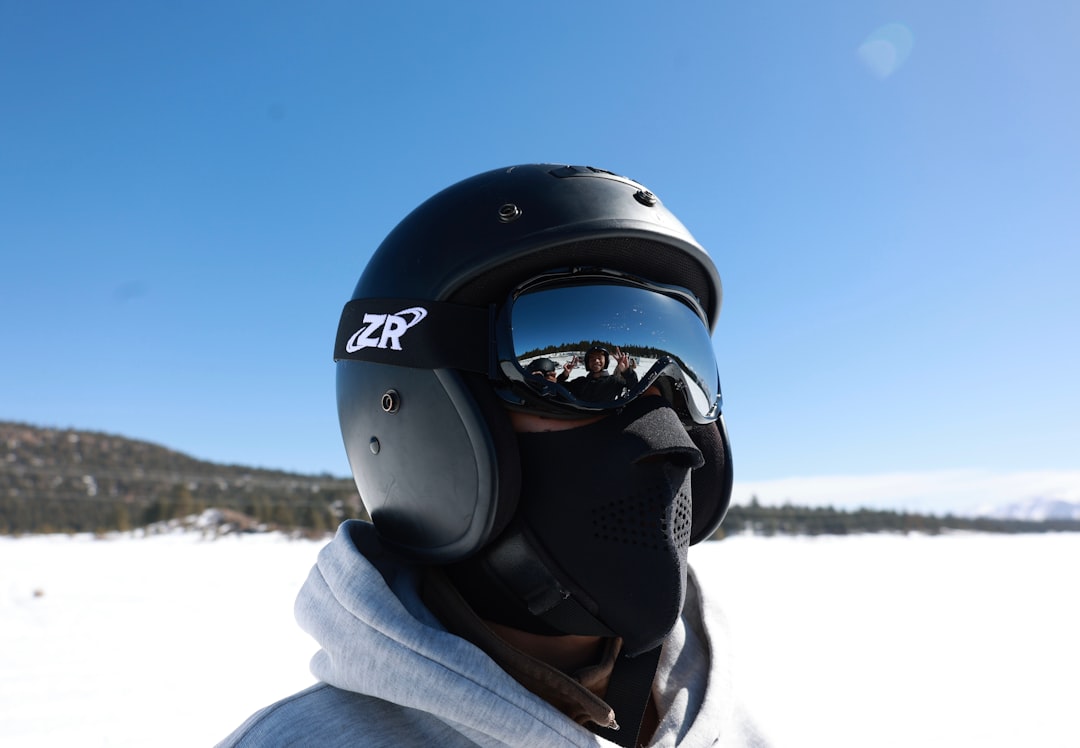
A Nike ski mask is typically designed to provide protection from cold weather, wind, and snow. It covers most of the face, often leaving openings for the eyes and sometimes the mouth. In sporting contexts, it is primarily used for:
- Thermal insulation in freezing conditions
- Wind protection during outdoor training
- Moisture management in performance-focused models
Modern sports-branded ski masks are usually made from lightweight, breathable materials such as polyester blends and fleece-lined fabrics. While they can be practical in winter sports like skiing or snowboarding, football presents a different set of physical demands.
Is It Legal to Wear a Ski Mask in Football?
The legality of wearing a Nike ski mask during football depends largely on the governing body and the level of play.
Soccer (Association Football)
Under IFAB’s Laws of the Game, players are allowed to wear non-dangerous protective equipment. This includes items designed to protect from cold weather, such as gloves and base layers. However, any additional gear must:
- Be safe for the wearer and other players
- Not pose a choking or grabbing hazard
- Be approved by the referee
In many amateur and youth leagues, referees allow snug-fitting, single-color balaclavas in extremely cold weather. However, full ski masks that obscure the face entirely may raise concerns related to identification, safety, and sportsmanship. Professional leagues tend to be stricter, often limiting facial coverings to approved cold-weather gear only.
American Football
In American football, helmet regulations significantly reduce the practicality of wearing a ski mask. Since players must wear helmets with face masks, any additional layer underneath must not interfere with fit, safety, or visibility. Some players wear skull caps or thermal head coverings, but full ski masks are uncommon and often restricted.
League officials typically require equipment to meet certified safety standards, and anything that compromises helmet integrity is likely to be prohibited.
Safety Considerations
Safety is the primary factor when determining whether a ski mask is appropriate for football. The sport involves sprinting, tackling (in American football), aerial duels, and constant physical interaction.
Several risks must be considered:
- Restricted peripheral vision
- Overheating during intense play
- Material being grabbed or pulled
- Communication difficulties
A properly fitted, streamlined sports balaclava minimizes many of these issues. However, thicker or looser ski masks designed for snow sports may not be suitable for high-intensity field play.

Performance Impact
Football requires constant scanning of the field, quick reactions, and clear communication. Any obstruction to these abilities can negatively affect performance.
Visibility
Although most ski masks leave the eyes exposed, even a slight narrowing of peripheral vision can affect awareness. Midfielders and quarterbacks especially rely on full-field vision to make split-second decisions.
Breathing and Comfort
Breathing through fabric may feel manageable during warm-ups but can become uncomfortable during high-intensity sprints. Moisture buildup from sweat and condensation may also make the mask heavy and distracting.
Communication
Clear communication is essential in football. A mask covering the mouth can muffle speech, making it harder for teammates to hear calls and instructions. In loud stadium environments, even minor muffling can create problems.
For these reasons, many players opt for alternatives such as:
- Neck warmers
- Thermal headbands
- Approved cold-weather face guards
Weather Conditions Matter
In extremely cold climates, football games may still proceed in temperatures below freezing. Wind chill can make conditions uncomfortable and potentially dangerous. In these situations, referees are often more flexible regarding cold-weather apparel.
However, most games are suspended before temperatures become life-threatening. Professional leagues closely monitor weather conditions, and player safety protocols are strictly enforced.
In youth and amateur leagues, decisions may vary more widely. Coaches and referees typically balance warmth against safety concerns.
Team and League Policies
Even if a ski mask is not explicitly banned, teams often have uniform policies. Matching colors and standardized equipment help maintain a professional appearance and avoid confusion.
Some leagues require written approval for non-standard gear. Before wearing a Nike ski mask in a competitive match, players should:
- Review league regulations carefully
- Consult their coach
- Ask the referee before kickoff
Failure to comply may result in being asked to remove the item or even being prevented from playing until equipment issues are resolved.
Appearance and Perception
Another factor to consider is perception. Ski masks are sometimes associated with non-sporting contexts, and full-face coverage can draw unnecessary attention. Referees may feel uncomfortable allowing items that obscure a player’s identity.
At professional levels, player identification is critical for officiating, broadcasting, and security. Anything that obscures facial recognition may be disallowed for these reasons alone.
Practical Alternatives
For players seeking warmth without the drawbacks of a ski mask, several practical alternatives exist:
- Thermal base layers that trap body heat
- Neck gaiters that can be adjusted during play
- Cold-weather face protectors specifically designed for football
- Insulated gloves for extremity warmth
These options are more commonly accepted and less likely to interfere with performance.
So, Can You Play Football Wearing a Nike Ski Mask?
The short answer is: sometimes, but with limitations. In informal or recreational settings, players may wear a snug, breathable ski mask without issue, particularly during winter training sessions. In organized matches, however, referee approval and league regulations determine what is allowed.
A Nike ski mask designed specifically for athletic performance has a higher chance of being permitted than a bulky winter model. Even then, comfort, fit, and visibility must be carefully evaluated.
Ultimately, football prioritizes safety, fairness, and visibility. Any accessory that compromises these values is unlikely to be approved.
Frequently Asked Questions (FAQ)
1. Can you wear a Nike ski mask during a professional soccer match?
Generally, professional leagues have strict uniform rules. A full ski mask is unlikely to be allowed unless it meets specific safety guidelines and receives referee approval.
2. Is a balaclava safer than a traditional ski mask?
A sports balaclava made from thin, breathable material is usually safer and more suitable for football than a thick winter ski mask. Fit and design play a major role in safety.
3. Can referees force a player to remove a ski mask?
Yes. Referees have the authority to determine whether equipment is safe. If they deem a ski mask unsafe or inappropriate, they can require the player to remove it.
4. Does wearing a ski mask affect performance?
It can. Potential issues include reduced peripheral vision, overheating, breathing discomfort, and communication challenges during play.
5. Are ski masks allowed in youth football leagues?
Policies vary by league. Many youth leagues allow snug, non-dangerous cold-weather gear, but parents and players should always check official rules first.
6. What is a better alternative to a ski mask for cold games?
Neck warmers, thermal headbands, and approved sports balaclavas are often better alternatives because they provide warmth without obstructing visibility or communication.
In conclusion, while wearing a Nike ski mask during football is not automatically forbidden, it is not universally accepted either. Players must balance warmth with safety, performance, and compliance with regulations. When in doubt, consulting league guidelines and match officials is the safest course of action.