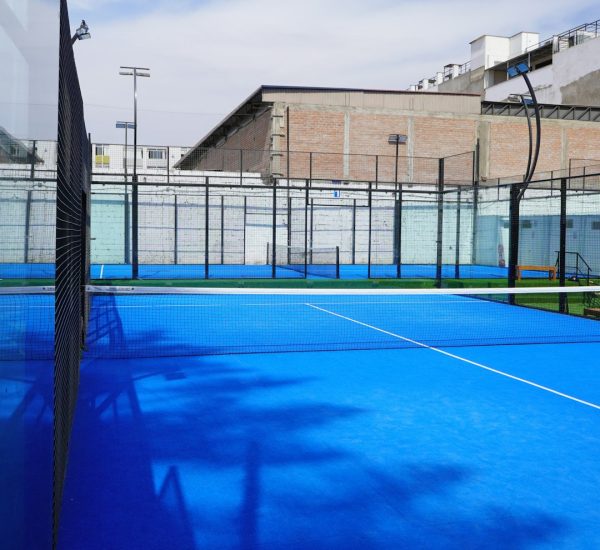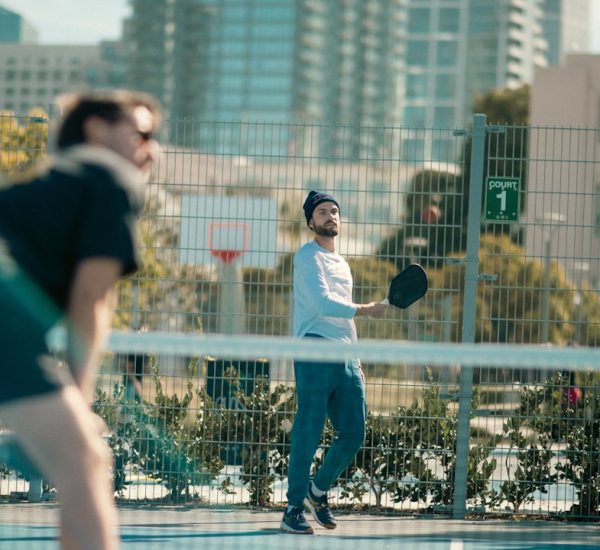
Pickleball has grown rapidly in popularity, often outpacing the availability of dedicated courts. As a result, many players naturally ask whether they can simply use an existing tennis court instead. The short answer is yes—with proper adjustments—but there are important considerations involving court dimensions, net height, line markings, and shared use etiquette. Understanding these factors will help ensure fair play, safety, and respect for other athletes.
TLDR: Yes, you can play pickleball on a tennis court, but modifications are required. A pickleball court is smaller than a tennis court, and the net height differs slightly. Temporary lines, portable nets, or court tape are commonly used to adapt tennis courts. With proper setup and attention to safety and etiquette, tennis courts can effectively serve as pickleball courts.
Understanding the Differences Between Tennis and Pickleball Courts
While tennis and pickleball share certain similarities, their court specifications vary significantly. These differences directly affect gameplay and must be addressed before converting a tennis court.
- Pickleball court dimensions: 20 feet wide by 44 feet long (for both singles and doubles).
- Tennis court dimensions: 36 feet wide by 78 feet long (doubles); 27 feet wide for singles.
- Pickleball net height: 36 inches at the sidelines and 34 inches at the center.
- Tennis net height: 42 inches at the posts and 36 inches at the center.
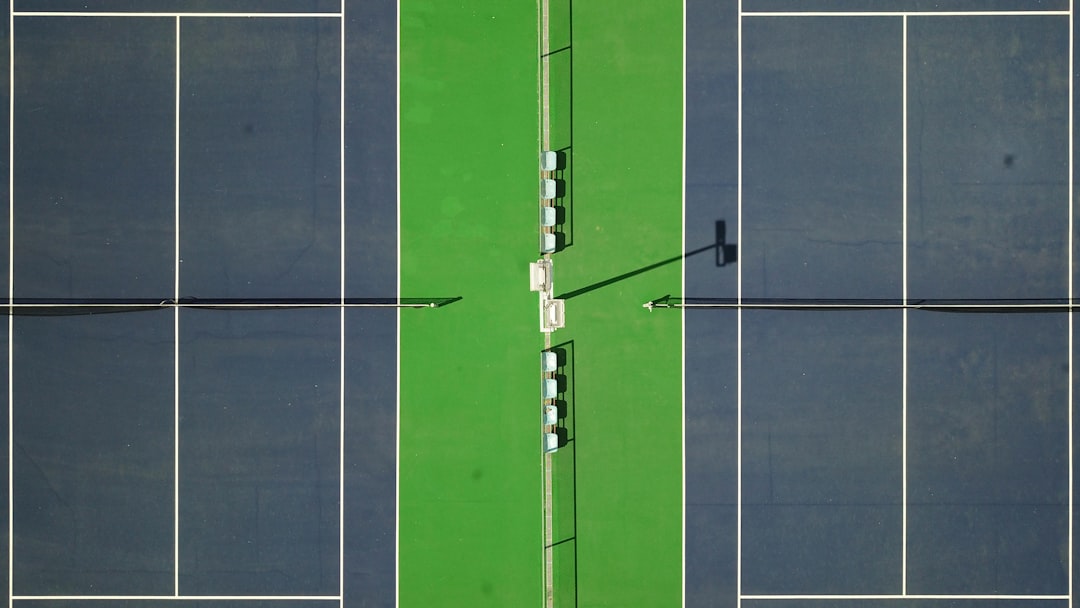
The most notable difference is size. A pickleball court can comfortably fit within the boundaries of a tennis court. In fact, up to four pickleball courts can fit onto one standard tennis court when properly laid out.
How to Set Up a Pickleball Court on a Tennis Court
If you intend to use a tennis court for pickleball, you have several setup options. Your choice will depend on whether the tennis court is permanently dedicated, shared for dual use, or reserved temporarily.
1. Using Temporary Court Lines
Temporary lines are commonly applied using painter’s tape or specialized court tape. This allows you to mark the correct pickleball boundaries without permanently altering the tennis surface.
Advantages:
- Low cost
- Easy to remove
- Suitable for shared courts
Disadvantages:
- Requires regular maintenance
- May peel during long sessions
- Can create visual clutter
2. Installing Permanent Pickleball Lines
In facilities where demand is high, operators may choose to paint permanent pickleball lines onto tennis courts. This provides a consistent, professional appearance but requires careful planning to avoid confusion between line sets.
Advantages:
- Durable and long-lasting
- Professional appearance
- No setup required once installed
Disadvantages:
- Higher upfront cost
- May cause line confusion
- Permanent alteration of tennis court
3. Using a Portable Pickleball Net
Because tennis nets are higher at the sidelines than pickleball regulations allow, many players use portable pickleball net systems. These freestanding nets are designed to meet official height standards.
Image not found in postmetaNet Considerations
While you can technically lower a tennis net slightly at the center to approach pickleball height, it will still remain too high at the posts. This difference affects gameplay, particularly drives and passing shots near the sidelines.
For casual play, some participants accept this minor inconsistency. However, for competitive or practice purposes, a dedicated portable pickleball net is the recommended solution. Accurate net height ensures realistic ball trajectory and preserves the integrity of the game.
Comparison of Setup Options
| Option | Cost | Ease of Setup | Best For |
|---|---|---|---|
| Temporary Tape Lines | Low | Moderate | Shared public courts |
| Permanent Painted Lines | Medium to High | Very Easy (after installation) | Parks and private facilities |
| Portable Pickleball Net | Medium | Easy | Clubs and leagues |
| Using Tennis Net Only | None | Very Easy | Casual recreational play |
Fitting Multiple Pickleball Courts on One Tennis Court
Because of its smaller footprint, a tennis court can accommodate up to four pickleball courts arranged side by side. This configuration significantly increases play capacity and has been adopted by many community centers and recreation departments.
The typical layout divides the tennis court widthwise, placing two pickleball courts across each half of the tennis court. Separate portable nets are used for each mini-court.
Benefits include:
- Greater player accommodation
- More efficient use of space
- Higher community engagement
However, spacing between courts can be limited. Players must remain aware of adjacent games for safety.
Surface Compatibility
Fortunately, most tennis court surfaces—whether asphalt, concrete, or cushioned acrylic—are fully compatible with pickleball. The ball used in pickleball is lighter than a tennis ball, so surface wear tends to be minimal.
Still, the faster pace and closer proximity of players increase the likelihood of quick directional changes. Appropriate athletic footwear with strong lateral support is highly recommended when playing pickleball on tennis courts.
Shared Court Etiquette
As pickleball grows, tension sometimes arises when players share facilities with tennis enthusiasts. Respect and communication are critical in maintaining a positive atmosphere.
Best practices include:
- Confirming court reservations before setup
- Removing temporary lines promptly after play
- Storing portable nets safely off the court
- Respecting scheduled tennis times
Because tennis courts are often in high demand, many municipalities now designate specific hours for pickleball play. Adhering strictly to posted schedules prevents misunderstandings and ensures equitable access.
Regulatory and Facility Considerations
If you plan to organize formal events or league play, verify whether the facility permits modifications. Some privately managed courts restrict taped lines or portable equipment.
Facilities hosting sanctioned tournaments must adhere precisely to USA Pickleball specifications. In those cases, using a tennis court may require formal conversion or temporary but regulation-compliant installations.
Advantages of Using a Tennis Court for Pickleball
Despite the need for adjustments, there are compelling advantages:
- Accessibility: Tennis courts are widely available.
- Cost efficiency: Minimal investment required for temporary conversions.
- Scalability: Multiple pickleball courts can fit into one tennis court area.
- Fast setup: Portable nets can be assembled within minutes.
For communities experiencing rapid growth in pickleball participation, this flexibility is invaluable.
Potential Drawbacks
Nevertheless, limitations do exist:
- Line confusion between sports
- Improper net height if tennis net is used
- Possible tension between user groups
- Limited runoff space when multiple courts are added
These issues are manageable but should not be overlooked when planning regular play.
Is It Ideal for Competitive Play?
For recreational games, a converted tennis court is generally sufficient. However, serious competitors often prefer dedicated pickleball courts. Regulation dimensions, permanent net systems, and optimal spacing improve precision and safety.
Converted courts are excellent transitional solutions but may not fully replicate the competitive environment expected at higher levels of play.
Conclusion
Playing pickleball on a tennis court is not only possible—it has become a practical solution in many communities. With thoughtful setup, appropriate equipment, and respect for shared facilities, tennis courts can efficiently support the growth of pickleball. Portable nets and temporary lines offer flexibility, while permanent dual-striping provides long-term convenience for high-demand locations.
Ultimately, whether you are a casual player seeking extra court time or a facility manager addressing growing demand, using a tennis court for pickleball is a viable and responsible option. Success depends on attention to specifications, commitment to safety, and adherence to proper etiquette. When implemented correctly, the arrangement benefits players of both sports and maximizes the value of existing recreational infrastructure.