Tracking down old yearbooks can be a meaningful journey into the past. Whether someone is hoping to reconnect with former classmates, preserve family memories, or simply relive high school or college days, yearbook searches have become easier thanks to digital archives and specialized platforms. With the right strategy and tools, nearly anyone can uncover snapshots of their educational history.
TLDR: Finding old yearbooks is easier than ever thanks to online databases, school archives, and reunion platforms like Classmates. Start by gathering key details such as school name and graduation year, then explore digital archives, libraries, and alumni networks. If online searches fail, contact schools directly or explore local historical societies. Combining several methods usually produces the best results.
Why People Search for Old Yearbooks
People search for old yearbooks for many reasons. For some, it is about nostalgia and reconnecting with former friends. For others, it may be genealogical research, memorial projects, or recreating lost memorabilia. Yearbooks capture more than portraits; they preserve school culture, social trends, clubs, sports, and academic achievements.
Common motivations include:
- Reconnecting with classmates
- Researching family history
- Replacing a lost or damaged copy
- Gathering photos for reunions
- Documenting local history
Regardless of the reason, a systematic search dramatically increases success rates.
Step 1: Gather Essential Information
Before beginning a search, it is important to collect as much relevant information as possible. Even small details can make a significant difference.
Helpful information includes:
- Full name (including maiden name if applicable)
- School name (with correct spelling)
- City and state
- Estimated graduation year
- Clubs, sports, or activities participated in
If the exact graduation year is unknown, estimating within a two- to three-year range can still be effective. This information narrows search results and reduces time spent browsing irrelevant records.
Step 2: Start with Online Yearbook Databases
Online yearbook databases are often the fastest and most convenient starting point. Several platforms digitize old yearbooks and make them searchable by name, school, or year.

Some of the most commonly used resources include:
| Platform | Best For | Cost | Features |
|---|---|---|---|
| Classmates | Reconnecting with alumni | Free basic, paid premium | Digital yearbooks, messaging, reunion tools |
| Ancestry | Genealogy research | Subscription | Yearbooks in historical collections |
| Internet Archive | Public access browsing | Free | Scanned yearbooks from various decades |
| MyHeritage | Family history searches | Subscription | Searchable school records and yearbooks |
Each platform offers different benefits. Classmates is often preferred for social connections and browsing digitized yearbooks from high schools across the country. Genealogy platforms may provide broader historical context but typically require subscriptions.
Step 3: Search Directly on Classmates
Because Classmates specializes in school connections, it can be particularly valuable.
To conduct a search:
- Create a free account.
- Enter the school name and graduation year.
- Browse available digitized yearbooks.
- Upgrade to a premium account if full access is required.
Users can often flip through pages digitally, zoom into student portraits, and find familiar names. In some cases, messaging features allow former classmates to reconnect directly through the platform.
The search becomes more effective when users use filters such as graduation year ranges and city location.
Step 4: Contact the School Directly
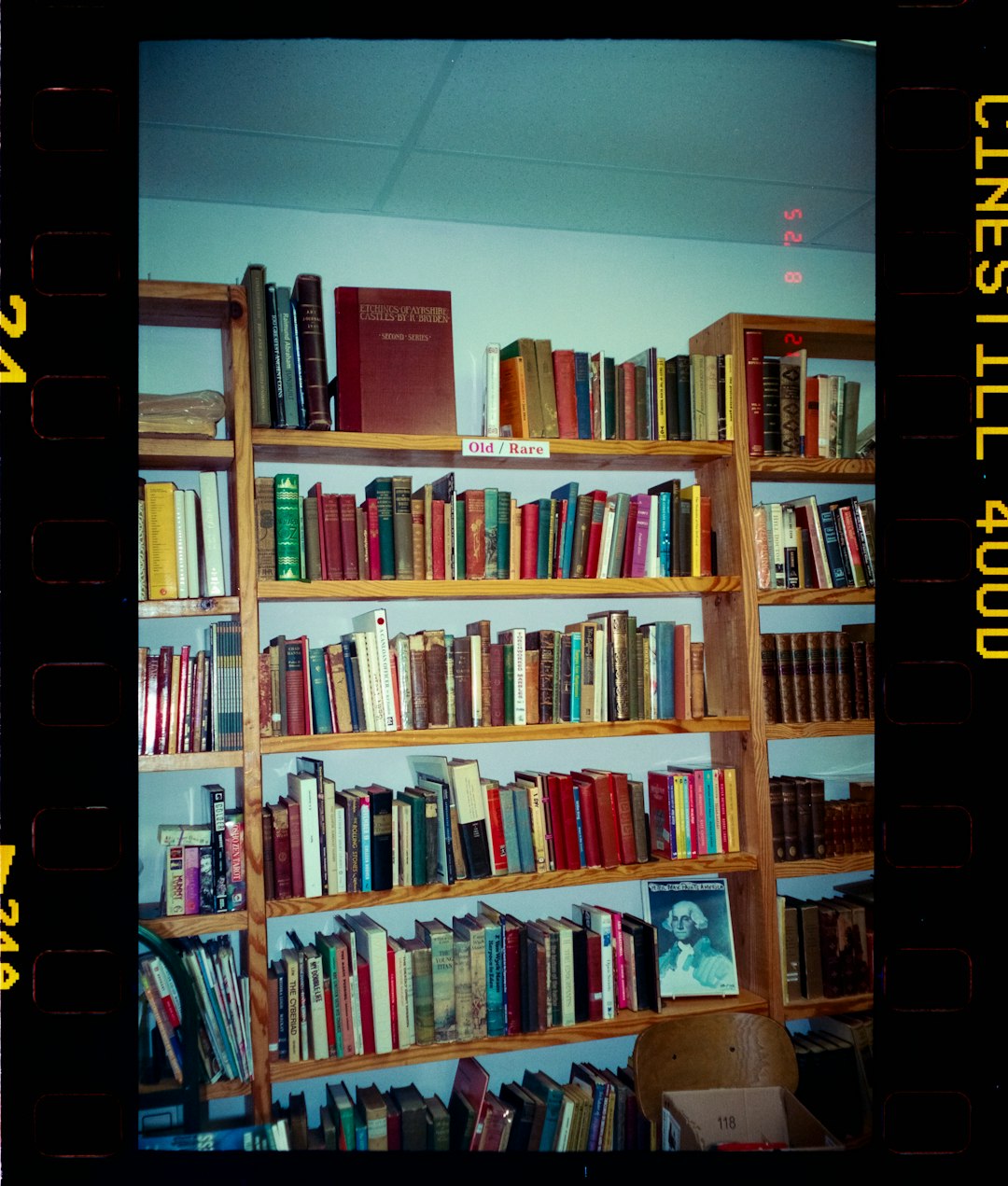
If online searches do not produce results, the school itself is the next best option. Many schools maintain physical archives of yearbooks in libraries or administrative offices.
When contacting a school, it helps to:
- Call the main office or library.
- Ask for the media center or alumni coordinator.
- Inquire whether copies can be viewed in person.
- Ask if photocopies or scans can be requested.
Some schools may charge a small administrative fee for copies. Others may direct inquiries to a local alumni association.
Step 5: Visit Local Libraries and Historical Societies
Public libraries and historical societies frequently archive local school yearbooks. These institutions are especially useful for:
- Small-town schools
- Schools that have closed
- Very old editions not yet digitized
Librarians often assist patrons in locating specific volumes or navigating microfilm and digital catalogs. In many cases, yearbooks are stored in reference sections and cannot be removed from the building, but copies may be available.
Step 6: Use Social Media and Alumni Groups
Social media platforms have become informal yearbook search tools. Alumni groups on Facebook or similar networks often share scanned pages, reunion announcements, and memorabilia.
Effective strategies include:
- Searching for “[School Name] Alumni” groups
- Posting requests for specific graduation years
- Connecting through LinkedIn alumni tools
Many former classmates are willing to photograph or scan pages from their personal copies.
Step 7: Explore Online Marketplaces
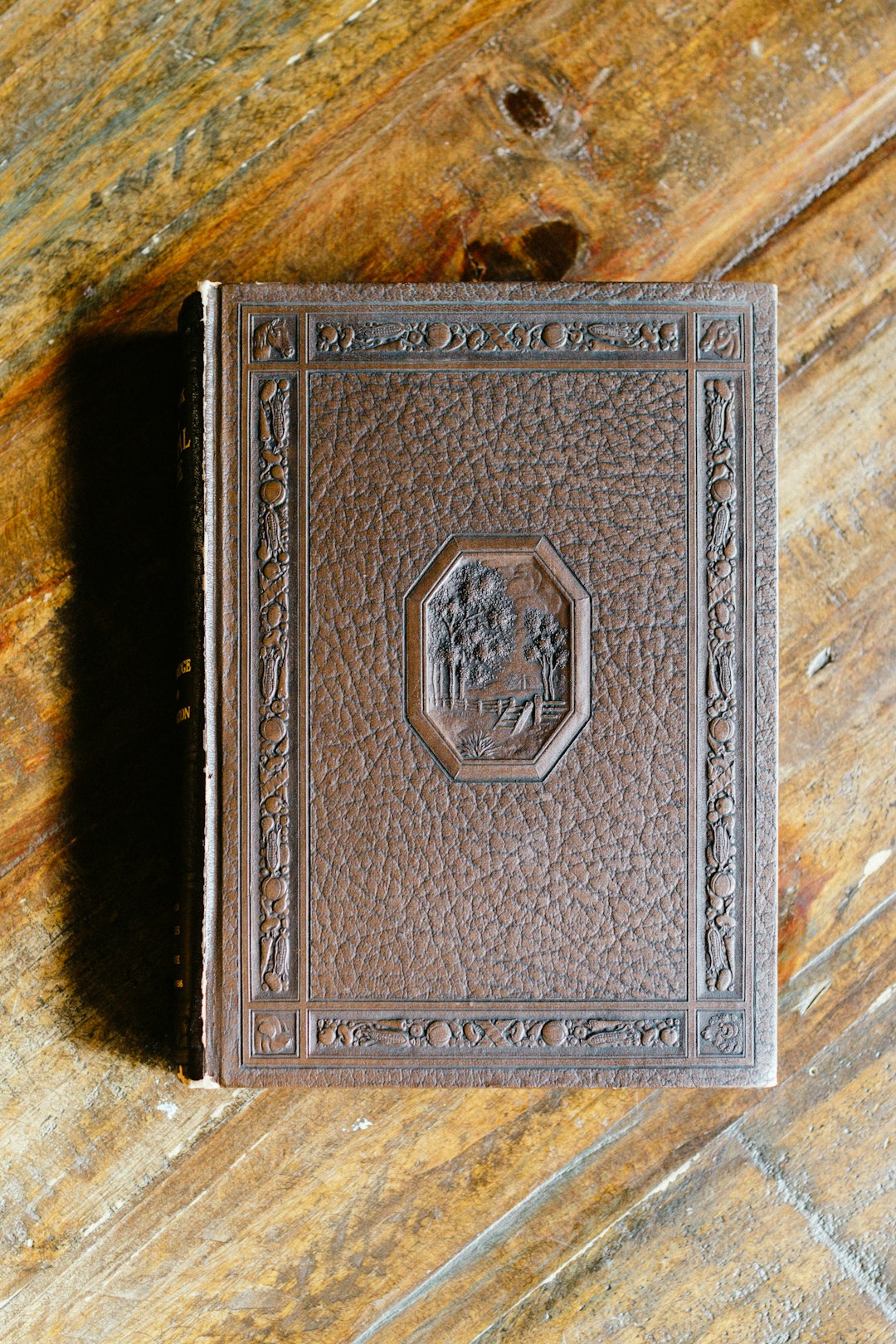
For those hoping to purchase a physical copy, online marketplaces can be surprisingly helpful. Websites like auction platforms and used book marketplaces frequently list vintage yearbooks.
Buyers should:
- Verify the correct school and year
- Review condition descriptions carefully
- Check seller ratings
- Be prepared for varying prices based on rarity
Rare yearbooks from closed schools or notable graduating classes may command higher prices.
Tips for Difficult Searches
Sometimes, finding an old yearbook proves challenging. In those cases, persistence and creative strategies are essential.
Additional tips include:
- Search for school name variations (e.g., abbreviations)
- Check neighboring districts in case of boundary changes
- Investigate school consolidations or name changes
- Search by teachers’ names if student records are limited
Schools occasionally merge, relocate, or rename themselves over time. Historical newspapers can also provide clues about where archives may have been transferred.
Privacy and Access Considerations
Not all yearbooks are publicly available. Privacy laws and institutional policies sometimes restrict access, particularly for more recent editions. Some platforms blur personal details or limit full-page viewing without subscriptions.
Users should respect copyright and privacy guidelines when sharing scanned pages online. If in doubt, obtaining permission from the school or copyright holder is advisable.
Preserving Found Yearbooks
Once an old yearbook is located, preserving it properly ensures it lasts for future generations.
Recommended preservation methods include:
- Storing in a cool, dry environment
- Keeping away from direct sunlight
- Using acid-free storage materials
- Scanning pages to create digital backups
Digitizing yearbooks not only prevents loss but also makes sharing memories easier during reunions and family gatherings.
Bringing Memories Back to Life
Yearbook searches do more than retrieve names and photographs. They reconnect people with moments that shaped their identities. From awkward school portraits to championship team photos, these pages capture milestones that often fade from daily memory.
With modern search tools, what once required hours in dusty archives can now take minutes online. Still, combining digital resources with traditional research methods offers the highest likelihood of success.
Frequently Asked Questions (FAQ)
How can someone find a yearbook if they do not remember the exact graduation year?
They can estimate within a two- or three-year range and search multiple adjacent years. Using age-based calculations and confirming with classmates can also help narrow down options.Are old yearbooks free to access online?
Some platforms, such as Internet Archive, offer free access. Others, including Classmates and genealogy websites, may require paid subscriptions for full viewing privileges.Can someone request a copy of a yearbook from a school?
Many schools retain archive copies and may allow in-person viewing or provide scans for a fee. Policies vary by institution.What if the school has closed?
Local libraries, school districts, or historical societies often inherit records when schools close. Checking with the district’s administrative office is recommended.Is it legal to share scanned yearbook pages online?
Yearbooks may still be protected by copyright. Sharing limited excerpts for personal use is common, but broader distribution may require permission.What is the best overall starting point?
Most searches begin successfully with online platforms like Classmates, followed by contacting the school and checking local libraries if necessary.