The Super Bowl is one of the most-watched sporting events on the planet. It’s not just a game; it’s an experience filled with high-stakes football, instantly iconic commercials, and one of the most anticipated entertainment segments of the year—the Super Bowl Halftime Show.
TL;DR
The typical Super Bowl halftime lasts around 20 to 30 minutes, which is significantly longer than regular NFL game halftimes. This extra time accommodates the elaborate halftime show that features global music superstars and requires a fast, choreographed setup and teardown. For fans, it’s a moment to enjoy top-notch entertainment, and for performers, it’s the biggest stage in the world. Meanwhile, the longer break also allows broadcasters to maximize commercial revenue.
Understanding the Length of Super Bowl Halftime
Unlike regular-season NFL games, where halftime runs for approximately 12 to 13 minutes, the Super Bowl is a league of its own—literally and figuratively. The extended halftime provides a carefully orchestrated intermission during which stage crews rapidly transform the field into a live concert venue and back within a tight timeframe. This segment generally runs between 20 and 30 minutes.
Over the years, the length has seen minor variations depending on the scale of the halftime show and logistical considerations. However, broadcasters, fans, and the NFL alike count on this extended pause as an integral part of the experience.
Why Is the Super Bowl Halftime Longer?
There are several factors that explain why the Super Bowl halftime lasts almost twice as long as a regular NFL game break:
- Entertainment Showcase: The halftime show serves as an entertainment highlight featuring global acts such as Beyoncé, U2, The Weeknd, and Rihanna.
- Production Demands: Elaborate stage sets, lighting rigs, fireworks, and multimedia displays require a quick and safe transformation of the football field into a concert environment and back.
- Advertising Revenue: With companies paying millions for a single 30-second commercial spot, the NFL and broadcasters are incentivized to stretch halftime slightly to showcase more ads.
- Global Audience Reach: The halftime show attracts viewers who might not even be football fans, boosting the event’s appeal and ratings.
Historical Context and Changing Durations
The format and length of Super Bowl halftime have evolved. In early editions of the Super Bowl, the halftime entertainment mostly consisted of collegiate marching bands and was relatively modest in production. As the spectacle of the event grew, the NFL leaned into producing a more extravagant halftime experience. By the 1990s, it became common to feature A-list musical acts, and the duration extended accordingly.
For instance, the halftime show at Super Bowl XXVII in 1993 featured Michael Jackson and marked a major shift. Not only was the entertainment a pop culture milestone, but the planning also reflected a more structured time allowance that continues today.
How Is Time Allocated During Halftime?
The 20–30 minute halftime is typically divided as follows:
- 5-8 minutes: Clearing the field and setting up the stage and equipment
- 12-15 minutes: Actual music performance
- 5-7 minutes: Dismantling the stage and preparing the field for the second half
This level of coordination requires rehearsals, military precision, and a massive crew to work quickly and efficiently. While fans enjoy the spectacle on screen, hundreds of people behind the scenes keep everything running on schedule.
Famous Halftime Shows and Their Lengths
Some of the most notable Super Bowl halftime shows in history have also provided the longest experiences for viewers. Here are a few memorable performances and their approximate durations:
- Prince (2007): Around 12 minutes of music, but the entire intermission stretched near 30 minutes.
- Beyoncé (2013): A 13-minute performance, including a Destiny’s Child reunion.
- The Weeknd (2021): Roughly 14 minutes of performance during a pandemic-altered halftime format.
Each of these shows included elaborate visual elements and transitions that required several minutes of preparation and breakdown time.
The Logistics Behind the Scenes
Executing a halftime show in under 30 minutes is a logistical marvel. The process includes:
- Stage Assembly: Modular stages are designed to roll out in sections, often pushed by hundreds of volunteers or crew members.
- Audio Installation: Sound systems are deployed quickly and synced for TV and in-stadium broadcasting.
- Performer Coordination: Choreographed entrances and cues are timed to the second to maintain flow.
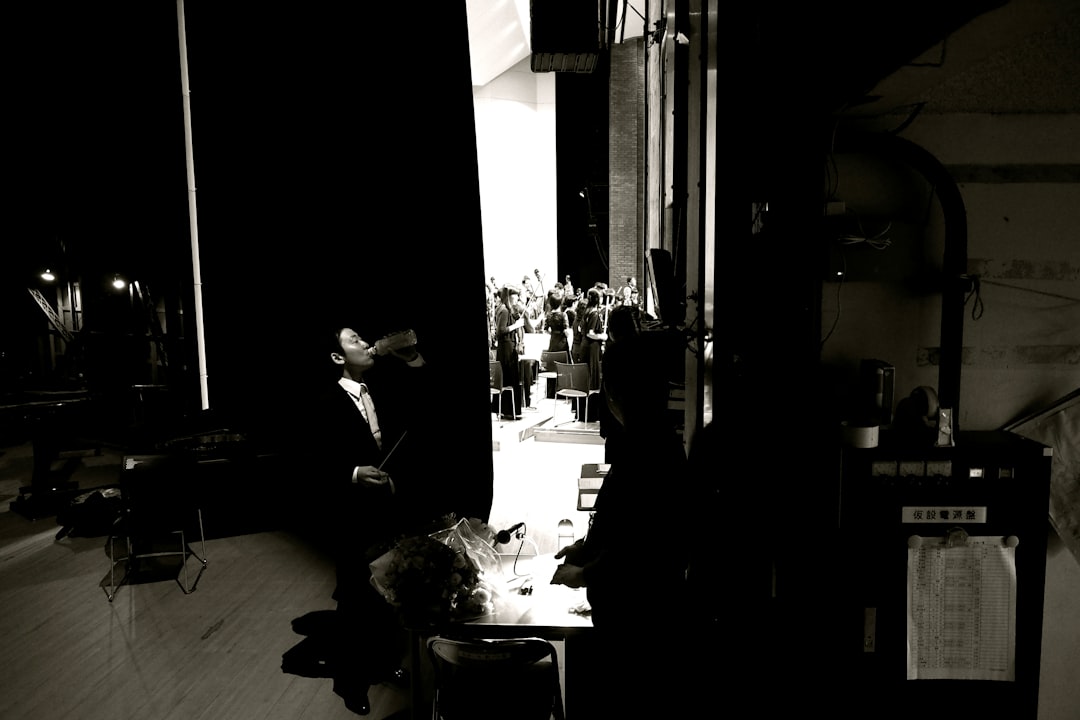
This behind-the-scenes ballet ensures that the performance goes off without a hitch and that the NFL brand is upheld to the highest standards. Every second counts when millions are watching live.
Commercials and Viewer Engagement
Another reason for a longer halftime is the opportunity it creates for lucrative ad sales. Super Bowl commercials are cultural phenomena in their own right, often analyzed and discussed in the days after the game. The longer halftime means more time to showcase these high-value ads, each costing up to $7 million for a 30-second slot in recent years.
The halftime commercials often represent the best in advertising creativity and production, and they’re a major draw for viewers — sometimes even more than the game itself.
FAQ: Super Bowl Halftime
How long is the Super Bowl halftime?
The halftime typically lasts between 20 and 30 minutes, depending on the complexity of the performance and stage logistics.
Why is the Super Bowl halftime longer than in other games?
Multiple factors contribute, including the expansive musical performance, time needed for stage setup and teardown, and extended advertising slots for sponsors.
Is the performance live?
Generally, yes, although some elements may be pre-recorded, particularly background vocals or sensitive audio elements to avoid mishaps during the live broadcast.
When does halftime begin?
Halftime typically starts after the second quarter, approximately 90 minutes after the kickoff. Exact timing can vary depending on game events.
Do performers get paid for halftime shows?
No, the NFL typically does not pay performers a performance fee. However, they cover production costs and the exposure often results in significant boosts in music sales and streaming.
Ultimately, the Super Bowl halftime is about more than just music or a break from the action. It’s a full-scale production that combines artistry, logistics, and business with precision. The result is a show-stopping intermission that has become essential to the Super Bowl experience, bringing fans back year after year, regardless of who’s on the field.