
Bowling is a beloved pastime and competitive sport enjoyed by millions of people around the world. Whether you’re a casual weekend bowler or a serious league competitor, you’ve probably wondered at some point: How many pins are in bowling? The answer might seem straightforward, but there’s more to it than just a simple number.
TL;DR: A standard game of ten-pin bowling uses exactly 10 pins arranged in a triangular pattern. However, other forms of the game like nine-pin, candlepin, and duckpin have different rules and pin counts. While ten-pin is the most popular globally, it’s not the only version of bowling out there. Learning about the variations can enrich your understanding and appreciation for the sport.
The Standard: Ten-Pin Bowling
When most people think of bowling, they refer to ten-pin bowling, the most widely played variation of the sport. Here’s what you should know about it:
- Number of Pins: 10
- Arrangement: The pins are set in a triangular formation with one pin at the front, known as the head pin, followed by two pins in the second row, three in the third, and four in the fourth row.
- Distance: Pins are 12 inches apart from center to center and placed at the end of a 60-foot lane.
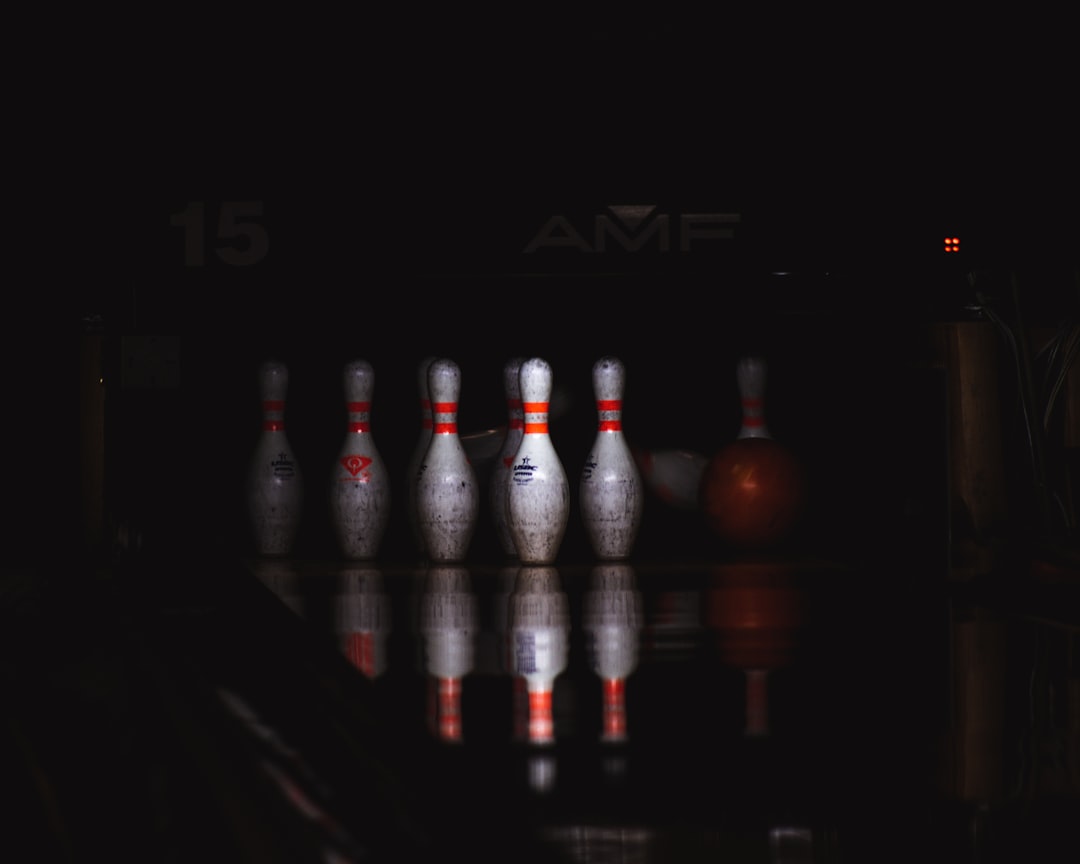
Each player gets two chances (or rolls) per frame to knock down all ten pins. A strike occurs when all ten pins are knocked down on the first roll, while a spare happens when they’re knocked down after two rolls.
Not Just Ten: Other Bowling Variants
While ten-pin is the go-to form of bowling in countries like the United States and much of Europe, several other regional variants add richness and diversity to the sport. These include:
Nine-Pin Bowling
Popular in parts of Europe, particularly Germany and Austria, nine-pin bowling dates back to the Middle Ages. It uses, as the name suggests, nine pins—but the layout is a little different:
- Pins are arranged in a diamond shape: one in the front, two in the second row, three in the third, and three in the back row.
- This game is typically played in dedicated nine-pin lanes and uses a smaller, hole-less ball.
- Unlike ten-pin bowling, pins are usually reset manually or by older-style pinsetters.
This version emphasizes accuracy over force, often requiring players to aim for specific pin combinations rather than a simple strike.
Candlepin Bowling
Candlepin is most popular in regions like New England and parts of Canada. Here’s how it differs:
- Number of Pins: 10
But they are thinner and taller than standard ten-pins, resembling candles—hence the name. - Ball Size: Much smaller and fits in the palm of your hand. There are no finger holes.
- Frames: Players get three rolls per frame instead of two.
What’s especially unique is that fallen pins, known as “wood,” are not cleared between rolls within a frame. This adds a highly strategic layer to the game.
Duckpin Bowling
This variation is sometimes seen as a middle ground between ten-pin and candlepin.
- Number of Pins: 10
- Pin Size: Shorter and squatter than ten-pins, harder to knock down.
- Ball Size: Similar to candlepin—smaller and without holes.
- Number of Rolls: Like candlepin, each player gets three attempts per frame.
Why the Number of Pins Matters
The number of pins in bowling directly influences the complexity, pace, and strategy of the game. For example:
- Fewer pins often mean games move quicker but require more precision.
- Size and weight of the pins, along with how they’re arranged, can make it trickier to get strikes or spares.
- Extra rolls in variants like candlepin and duckpin allow for extended gameplay and different tactical approaches.
Understanding how pin configuration alters gameplay gives you a greater appreciation for the skill involved and may even introduce you to a new favorite version of the sport.
The History Behind Bowling Pins
The use of pins in a triangular layout dates back centuries. Early forms of bowling appeared in ancient Egypt, where stone pins and balls were used in ritualistic games. In medieval Europe, the game evolved into nine-pin bowling, and it eventually diversified into the multiple forms we have today.
Here are some notable historical moments:
- In 1841, Connecticut banned nine-pin bowling due to its association with gambling, indirectly paving the way for ten-pin bowling as a legal workaround.
- The American Bowling Congress was established in 1895, which standardized the pin count and layout for ten-pin bowling.
- Automated pinsetters, introduced in the 1950s, revolutionized the sport by making pin setup quicker and more consistent.
Fun Facts About Bowling Pins
Here are a few trivia tidbits that reveal just how much thought goes into those seemingly simple pins:
- A standard ten-pin bowling pin is 15 inches tall, 4.75 inches wide at the widest point, and weighs about 3.5 pounds.
- Pins are made of hard maple wood and coated with a plastic shell for durability and consistency.
- During professional games, any pin that falls but bounces back up within a certain area is still counted as knocked down (unless it moves out of the designated area).
- There’s even an art to setting the pins just right. If they are even slightly off, it can alter the trajectory of falling pins and affect scoring.
Conclusion: More Than Just a Number
So, how many pins are in bowling? The most common answer is ten, but there’s a whole world of variation beyond that simple figure. From nine-pin tournaments in Europe to candlepin alleys in Massachusetts, every version tells its own story and offers a different challenge.
Whether you’re playing to win or just out for a good time with friends, now you know that those pins at the end of the lane come with a rich history and a lot more variety than you might have thought. So the next time you step onto the lane, you’ll have a deeper appreciation for the game—and those carefully arranged pins you’re aiming to knock down.