Since its formation in 1992, the Premier League has become one of the most watched and commercially successful football competitions in the world. Fans often debate the greatest players, the most dominant eras, and the fiercest rivalries—but one question continues to spark curiosity: how many teams have actually won the Premier League? While England has a rich football history stretching back well before 1992, the Premier League era tells a more concentrated and fascinating story of dominance, disruption, and unforgettable triumphs.
TLDR: Since the Premier League began in the 1992–93 season, only seven different clubs have won the title. Manchester United leads the way with 13 titles, followed by Manchester City, Chelsea, Arsenal, Blackburn Rovers, Leicester City, and Liverpool. Although many teams compete each year, true title success has been limited to a small elite group. This scarcity highlights just how difficult it is to win England’s top-flight league.
The Seven Premier League Winners
As of the 2024–25 season, seven clubs have lifted the Premier League trophy. Considering more than 50 teams have competed in the league since its inception, that number is surprisingly small.

- Manchester United – 13 titles
- Manchester City – 9 titles
- Chelsea – 5 titles
- Arsenal – 3 titles
- Liverpool – 1 title
- Blackburn Rovers – 1 title
- Leicester City – 1 title
That’s it. Just seven teams have managed to navigate the grueling 38-game seasons and finish top of the table.
Manchester United’s Era of Dominance
No discussion of Premier League champions can begin without Manchester United. Under the legendary management of Sir Alex Ferguson, United dominated English football throughout the 1990s and 2000s.
The club won the inaugural 1992–93 Premier League season and went on to capture 13 titles in total. Their dominance included:
- Three consecutive titles (1998–99, 1999–2000, 2000–01)
- Another three-peat (2006–07, 2007–08, 2008–09)
- The famous 1998–99 treble season
During these years, players like Ryan Giggs, Paul Scholes, Roy Keane, David Beckham, Cristiano Ronaldo, and Wayne Rooney became global stars. United set the benchmark for sustained excellence, and no club has yet equaled their 13 Premier League titles.
Arsenal’s Invincibles and Early Challenges
Arsenal were one of the early challengers to Manchester United’s grip on the league. Under manager Arsène Wenger, the club won three Premier League titles.
The most iconic came in the 2003–04 season, when Arsenal went the entire campaign unbeaten. Known as “The Invincibles,” the squad of Thierry Henry, Patrick Vieira, Dennis Bergkamp, and Robert Pires finished with 26 wins and 12 draws—an unmatched achievement in the modern era.
Although Arsenal have remained competitive in various seasons since, they have yet to add another Premier League title to their collection.
Chelsea’s Rise in the 2000s
Chelsea entered a new era of success in 2003 following Roman Abramovich’s investment in the club. With resources to attract world-class talent, the London side quickly became a powerhouse.
Under José Mourinho, Chelsea won back-to-back titles in 2004–05 and 2005–06, conceding a then-record low 15 goals in the 2004–05 season. They would go on to secure three more titles in later years under different managers.
Chelsea’s five Premier League triumphs firmly cement their place among England’s modern elite.
Manchester City’s Modern Dynasty
While Manchester United dominated the early decades, Manchester City have defined the Premier League in the 2010s and 2020s.
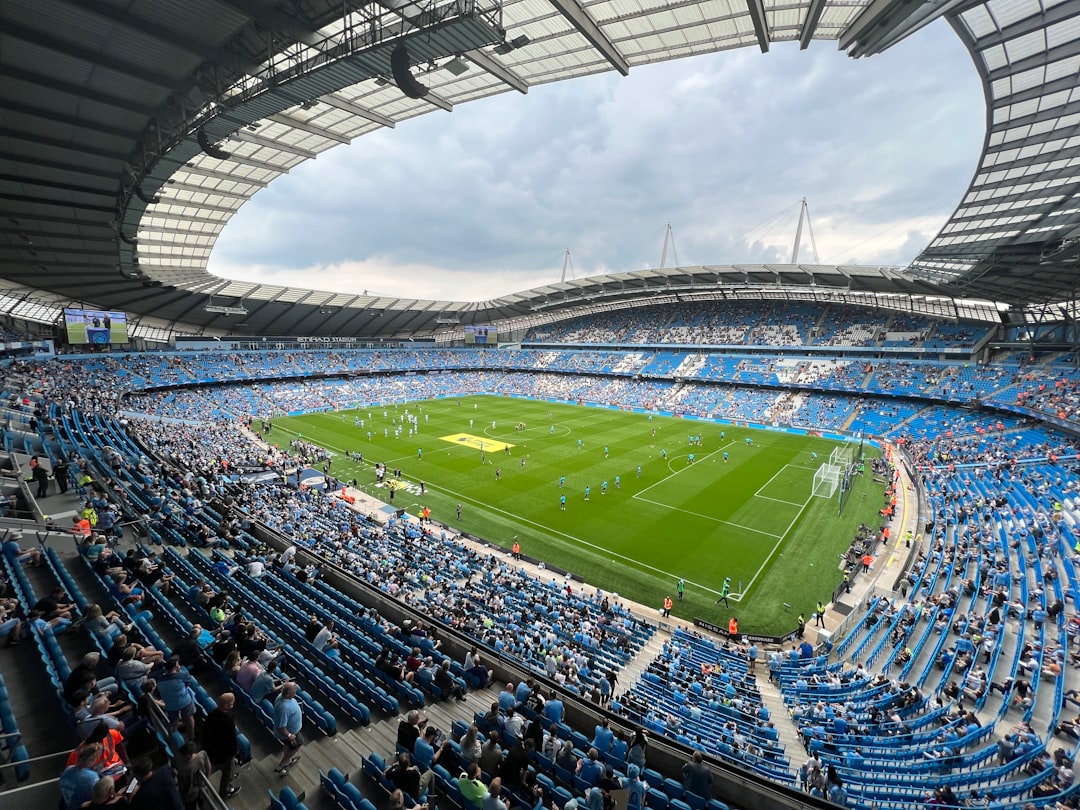
Following investment from Abu Dhabi ownership in 2008, City transformed into a global football force. Their first title came dramatically in 2011–12, when Sergio Agüero scored his iconic last-minute goal against QPR to snatch the title from rivals Manchester United.
Under Pep Guardiola, City elevated their game even further, breaking numerous records:
- 100 points in a single season (2017–18)
- Multiple back-to-back titles
- A historic four consecutive Premier League titles (2020–21 to 2023–24)
With nine total Premier League trophies, City are second only to Manchester United in the modern era.
Liverpool’s Long-Awaited Premier League Title
Although Liverpool are historically one of England’s most successful clubs, they had to wait nearly 30 years to win a league title after the Premier League’s formation.
Under Jürgen Klopp, Liverpool finally captured their first Premier League trophy in the 2019–20 season, finishing with 99 points and ending decades of heartbreak. Their high-intensity, pressing style made them one of Europe’s strongest teams at the time.
Despite narrowly missing out in other seasons, they remain a consistent contender for future titles.
The Surprise Champions
Two clubs stand out as remarkable outliers in the history of Premier League winners: Blackburn Rovers and Leicester City.
Blackburn Rovers (1994–95)
Backed by local businessman Jack Walker and starring striker Alan Shearer, Blackburn won the league in just the third Premier League season. They edged Manchester United in a dramatic title race, marking the first break in United’s early dominance.
Leicester City (2015–16)
If Blackburn’s win was surprising, Leicester’s was extraordinary.

Starting the season as 5000-to-1 outsiders, Leicester City defied all predictions to win the 2015–16 Premier League under Claudio Ranieri. Led by Jamie Vardy, Riyad Mahrez, and N’Golo Kanté, the Foxes completed arguably the greatest underdog story in sports history.
Their triumph proved that, while rare, the Premier League can still produce fairy tales.
Why Have So Few Teams Won?
Given the number of clubs that have participated, why is the list of champions so short?
Several key factors explain this exclusivity:
- Financial power – Wealthier clubs can attract superior talent and depth.
- Squad depth – Injuries and fixture congestion demand quality replacements.
- Elite management – Long-term tactical vision from managers like Ferguson and Guardiola has been crucial.
- Consistency – Winning the league requires sustained excellence across 38 matches.
The Premier League’s competitiveness is often highlighted, but true title contention usually revolves around a handful of clubs each season.
What About Before 1992?
It’s important to clarify that English football did not begin in 1992. Before the Premier League era, the top division was known simply as the Football League First Division.
When including pre-1992 titles, more clubs have been crowned champions of England, including:
- Everton
- Aston Villa
- Tottenham Hotspur
- Sunderland
- Newcastle United
- Sheffield Wednesday
- Leeds United
- Derby County
- Nottingham Forest
- Wolverhampton Wanderers
However, the Premier League is considered a distinct modern era due to its commercial rebranding, broadcasting deals, and global expansion.
Could New Winners Emerge?
The future always invites speculation. Clubs like Arsenal and Liverpool consistently challenge. Newcastle United, backed by significant investment, may become stronger contenders. Tottenham Hotspur and others continue striving for that elusive first Premier League crown.
Yet history suggests breaking into the winner’s circle is extremely difficult. It requires not only talent but also timing, stability, and often significant resources.
Final Thoughts
So, how many teams have ever won the Premier League? The answer—just seven—reveals how exclusive the title truly is. Over three decades of world-class competition have produced dynasties, legendary moments, and one of sport’s greatest underdog stories.
From Manchester United’s reign under Sir Alex Ferguson to Manchester City’s modern dominance and Leicester City’s miracle run, each champion has left a unique imprint on football history. While fans across England dream of seeing their club lift the trophy, the Premier League remains one of the hardest prizes in sport to claim.
And that exclusivity is precisely what makes it so special.