
Cornhole is one of the most popular backyard and tailgate games in North America, loved for its simple setup and competitive potential. At first glance, tossing a bean bag onto a raised board with a hole in it may seem straightforward. But once you start keeping score, understanding how points are calculated can make the difference between a casual toss and a strategic showdown. Whether you’re playing at a family barbecue or entering a local tournament, knowing how to score cornhole properly ensures everyone stays on the same page.
TLDR: Cornhole is typically played to 21 points using cancellation scoring, where only the difference in points between teams counts each round. A bag in the hole scores 3 points, and a bag on the board scores 1 point. Each team throws four bags per round, and the highest net score is added to their total. The first team to reach exactly or at least 21 points (depending on house rules) wins.
Understanding the Basic Setup
Before diving into the scoring system, it helps to understand how the game is structured. Cornhole is usually played with:
- Two boards placed 27 feet apart (front edge to front edge) in standard adult play
- Two teams of one or two players
- Eight bags total, four per team, in different colors
Players stand beside their board and take turns throwing their bags at the opposite board. After all eight bags are thrown in a round, the scores are calculated.
Image not found in postmetaThe Simple Cornhole Scoring System
Cornhole scoring is easy to learn because it is based on just two main types of throws:
- Bag in the hole – 3 points
- Bag on the board – 1 point
Let’s break these down a bit further.
1. Bag in the Hole (3 Points)
Also called a “cornhole,” this happens when a bag is thrown or slides into the hole on the board. Each bag that goes in the hole earns 3 points. This is the highest-scoring throw in the game and often the key to winning.
2. Bag on the Board (1 Point)
If a bag lands on the board and remains there at the end of the round, it earns 1 point. Be careful: if a bag lands on the board but later gets knocked off by another throw, it does not count.
No Points
A bag earns 0 points if:
- It lands on the ground
- It bounces onto the board after hitting the ground first (in official play)
- It is knocked off the board before scoring is calculated
What Is Cancellation Scoring?
The most important concept in cornhole scoring is cancellation scoring. Instead of each team adding all their points to their total, only the difference between the two teams’ scores in a single round is awarded.
Here’s how it works:
- Team A scores 7 points in a round.
- Team B scores 4 points in the same round.
- The difference is 3 points.
- Only Team A receives 3 points added to their total score.
This system keeps games competitive and prevents scoring from escalating too quickly.
Example Round Breakdown
Imagine this scenario:
- Team Red: 2 bags in the hole (6 points) + 1 bag on the board (1 point) = 7 points
- Team Blue: 1 bag in the hole (3 points) + 2 bags on the board (2 points) = 5 points
Using cancellation scoring:
7 – 5 = 2 points
Team Red earns 2 points for that round.
Playing to 21: How the Game Ends
Most cornhole games are played to 21 points. However, there are two common variations on how a team wins:
- Standard Win: The first team to reach 21 or more points wins.
- Exact 21 Rule: A team must land exactly on 21 points to win. If they go over, their score may revert to a lower number (commonly 15).
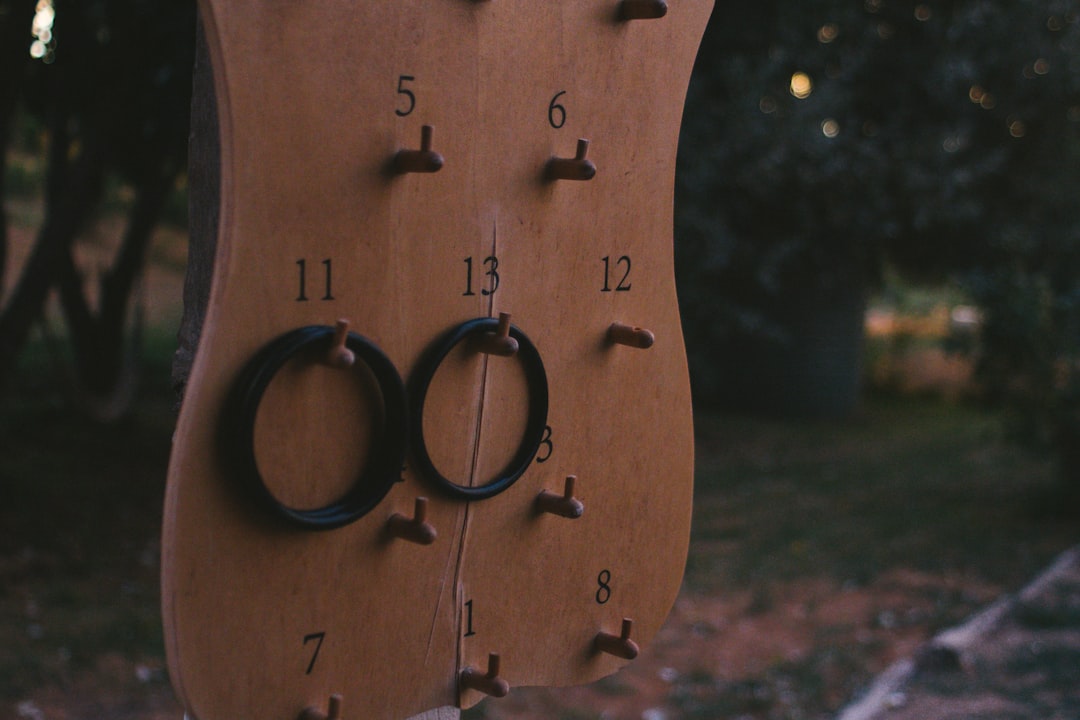
The “exact 21” rule adds a layer of strategy and suspense, especially when teams approach the winning score.
Advanced Scoring Situations
Once you understand the basics, there are a few additional situations that can influence scoring.
1. Bags Knocked into the Hole
If one bag hits another and knocks it into the hole, both count. The bag that was knocked in scores 3 points, just as if it had gone in directly.
2. Defensive Plays
Players can strategically knock opponents’ bags off the board. If a 1-point bag is bumped off the playing surface before the round ends, it scores zero.
3. Fouls and Foot Faults
In official play, stepping past the front of the board before releasing the bag results in a foot fault. The thrown bag is removed and does not count.
Scoring in Doubles vs Singles
The scoring system stays the same whether you’re playing singles or doubles. The main difference lies in player positioning.
Doubles Play
- Two players per team
- Teammates stand at opposite boards
- Each player throws four bags
- Eight total throws per team per round
Singles Play
- One player per side
- Players walk to the opposite board after each round
- Each player throws four bags per round
No matter the format, scoring remains consistent: 3 points for the hole, 1 point for the board, cancellation scoring applied.
Keeping Score: Tips for Accuracy
Because cancellation scoring can sometimes confuse beginners, here are a few tips for keeping things clear:
- Score after every round before removing bags.
- Have both teams agree on the round total before updating the scoreboard.
- Use a visible scoreboard to prevent disputes.
- Announce the score clearly before the next round starts.
In casual play, disagreements are rare. But in tournaments, scorekeeping accuracy is crucial.
Common House Rules
Backyard cornhole often includes fun variations. These aren’t part of official competitive rules, but they can add personality to your game:
- Skunk Rule: If a team reaches 11 points before the other team scores, the game ends immediately.
- Win by Two: A team must win by at least 2 points.
- No Bust Rule: Going over 21 is allowed without penalty.
- Four-Bagger Bonus: Additional bonus for getting all four bags in the hole (usually just for bragging rights).
If you’re playing with new people, clarify the rules before starting.
Image not found in postmetaStrategy Tips for Maximizing Points
Understanding how to score cornhole is only half the battle. The other half is using that knowledge strategically.
Aim for the Hole, But Value the Board
While 3-point throws are ideal, consistent 1-point throws can still win games—especially using cancellation scoring.
Play Defense When Needed
If your opponent already has a bag on the board, you might:
- Knock it off the board
- Block the hole with your own bag
Blocking forces your opponent to adjust their angle or potentially miss entirely.
Watch the Score Closely
As you approach 21, your strategy should shift. If you only need 2 points to win, safely landing bags on the board may be smarter than aggressively going for multiple 3-point shots that risk overshooting (under exact-score rules).
Official Tournament Scoring
In professional or league cornhole, such as events governed by official organizations, scoring follows strict guidelines:
- Cancellation scoring is mandatory.
- Games are played to 21 points.
- No bags that touch the ground may count.
- Players must stay within designated pitching boxes.
Digital scoreboards and referees often oversee competitive matches to ensure accuracy.
Why Cancellation Scoring Makes Cornhole Exciting
One reason cornhole scoring is so engaging is because cancellation scoring keeps games close. Even if one team has a strong round, their net points may be small if the other team performs well too.
This system:
- Encourages consistent performance
- Keeps weaker teams competitive longer
- Adds tension to every throw
No lead is ever completely safe until a team crosses the 21-point threshold.
Quick Reference: Cornhole Points Chart
- Bag in the hole: 3 points
- Bag on the board: 1 point
- Bag off the board or on the ground: 0 points
- Scoring system: Cancellation scoring
- Winning score: 21 points (standard)
Final Thoughts
Cornhole’s appeal lies in its simplicity. With just two scoring values and one straightforward cancellation system, players of all ages can pick it up quickly. Yet beneath that simplicity is strategic depth—deciding when to aim for the hole, when to block, and how to manage the score as you approach 21.
Whether you’re playing casually in the backyard or competing in a tournament, understanding how to score cornhole makes every toss more meaningful. Master the points system, stay aware of the scoreboard, and you’ll not only play better—you’ll enjoy the game even more.