When you think of sports, you might picture football games, tennis matches, or track meets. But what about Color Guard? Often associated with halftime shows and marching bands, Color Guard brings together athleticism, performance, and teamwork — but is it truly a sport? This question has sparked passionate debate among athletes, performers, and fans alike.
TLDR: Color Guard combines dance, flag-spinning, and theatrical performance, demanding both physical endurance and creative expression. Though it’s not always officially categorized as a sport, the training, competitions, and athleticism involved strongly parallel traditional sports. The definition of sport often comes down to structure, skill, and competition—criteria Color Guard certainly meets. Whether it’s spinning rifles or tossing sabres, Color Guard members are absolutely athletes in their own right.
What is Color Guard?
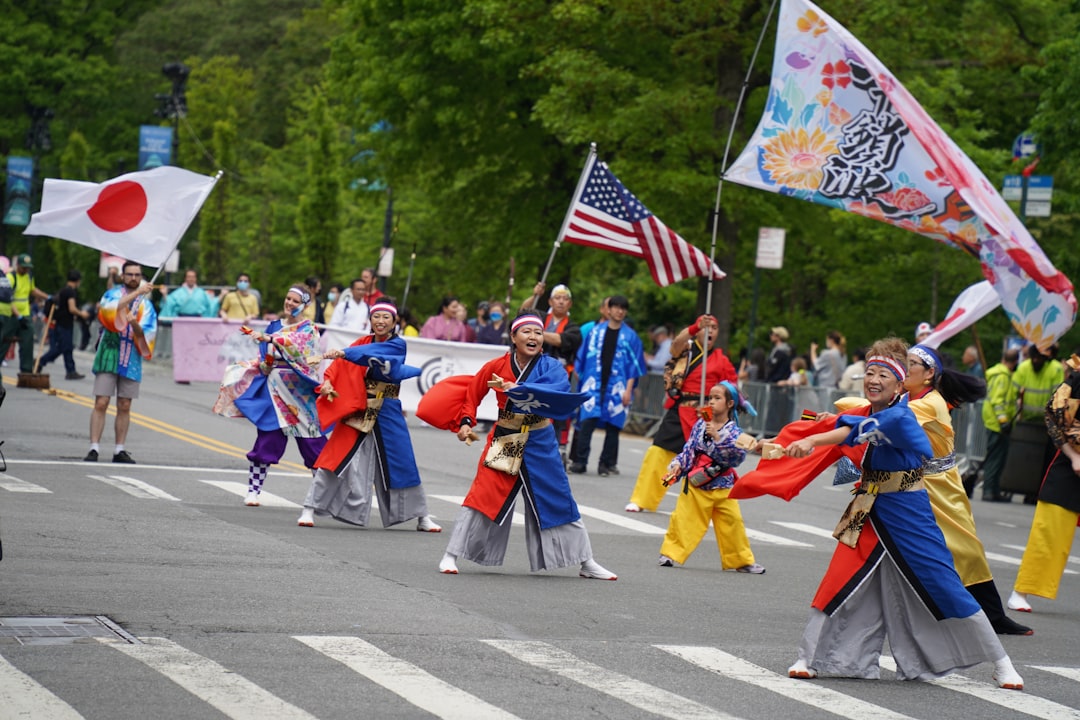
Color Guard is a performance art that incorporates the use of flags, sabres, rifles, and dance into choreographed routines typically set to music. Often seen performing during halftime shows at football games alongside marching bands, Color Guard also exists as a standalone competitive activity, particularly in indoor circuits such as Winter Guard International (WGI).
Color Guard can be divided into two types:
- Outdoor Color Guard: Performs with the marching band during parades and sporting events.
- Indoor Color Guard (Winter Guard): Takes place in gymnasiums with elaborate routines set to recorded music, judged on both technical and artistic execution.
The routines are highly choreographed and require months of preparation, including training, conditioning, and synchronized group effort. It’s not just about waving flags; it’s about executing lifts, tosses, and spins with precision — often while sprinting across a field or performing acrobatic dance moves.
Defining a Sport
Before deciding whether Color Guard qualifies as a sport, it’s worth exploring what actually makes something a sport. According to the Oxford Dictionary, a sport is:
“An activity involving physical exertion and skill in which an individual or team competes against another or others for entertainment.”
Let’s break down this definition and apply it to Color Guard:
- Physical exertion: Color Guard members undergo physical training, including cardio, strength conditioning, and flexibility routines. Carrying 30-pound rifles while dancing is no small feat.
- Skill: Tossing a sabre 20 feet in the air and catching it on beat requires tremendous hand-eye coordination and timing.
- Competition: High-level Color Guard includes competitive circuits such as WGI, Bands of America (BOA), and local state championships.
- Entertainment: Performances are designed to be emotionally evocative and artistically powerful, often judged on both visual and technical merit.
By this definition, Color Guard hits every mark.
Athleticism Behind the Art
Anyone who has participated in or watched a Color Guard performance can attest to the sheer intensity of the activity. Members often train alongside athletes, performing conditioning drills, lifting weights, and practicing for extended hours.
Consider the physical requirements:
- Endurance: Routines often last 7–10 minutes of continuous movement, similar to running a mile while dancing.
- Strength: Equipment like rifles and sabres are weighted and thrown with both speed and control.
- Flexibility: High kicks, splits, and lifts are integrated into performances.
- Coordination: Members must stay in sync while managing both choreography and props.
Coaches often construct training schedules similar to those in sports like gymnastics or cheerleading. Injuries such as sprained ankles, shoulder dislocations, and muscle strains are also common, reflecting the physical toughness required.
The Competitive Side
One of the strongest arguments for Color Guard being a sport is the highly organized and rigorous competition structure. Organizations like WGI host regional and national tournaments, where teams compete against each other under a strict scoring rubric. Performances are judged on:
- Equipment execution
- Movement technique
- Choreographic creativity
- Precision and synchronization
These competitions feature brackets, playoffs, and championships, just like any traditional sporting event. Strategy also plays a role—teams spend months developing routines, analyzing scoring sheets, and rehearsing tirelessly to edge out opponents.
Recognition and Controversy
Despite evidence of athleticism and competition, Color Guard rarely receives the same recognition as mainstream sports. It is sometimes relegated to the “fine arts” category in schools, limiting access to funding, scholarships, and varsity letters. This can be frustrating for participants who train as intensely as other athletes.
Reasons for this oversight include:
- Perception: Because it incorporates dance and costume, some may not take it as “serious” as contact sports.
- Association: Tied traditionally to the marching band, it’s often viewed as a musical auxiliary rather than a standalone sport.
- Lack of media coverage: Unlike football or basketball, Color Guard gets limited exposure on mainstream platforms.
Nonetheless, advocacy is growing. Groups are lobbying for more recognition, and some schools have begun to adopt policies allowing Color Guard to fulfill PE or athletic credit requirements.
Comparing to Similar Activities
Color Guard shares many traits with other recognized sports. Take for example:
- Cheerleading: Also combines performance with athleticism and competes nationally. Now recognized by many as a sport.
- Gymnastics: Judges athleticism mixed with artistic impression, much like Color Guard.
- Figure Skating or Synchronized Swimming: These Olympic sports involve choreography, timing, and coordinated group effort — just like Color Guard.
These parallels further support the argument that Color Guard should be granted the same sport status.
Voices of Color Guard Athletes
Many former and current members describe Color Guard as one of the most demanding yet rewarding experiences of their lives. Whether in high school, college, or independent teams, participants forge deep bonds and learn valuable life skills such as:
- Teamwork
- Time Management
- Perseverance under pressure
- Creative thinking
As one performer put it, “You run, dance, lift, spin, and connect with an entire arena — all without missing a beat or dropping a flag.”
Conclusion: So, Is Color Guard a Sport?
When measured by athleticism, competition, structure, and skill, Color Guard clearly fits the definition of a sport. Although it might not yet be universally recognized as such, it embodies all the qualities that earn an activity that title. The creativity, physical rigor, and competitive nature of Color Guard not only make it a sport in spirit but also in execution.
Whether you call it art, sport, or both, one thing is certain: Color Guard deserves the respect, recognition, and support given to traditional athletic pursuits. It’s time the world stopped asking “Is Color Guard a sport?” and started saying, with confidence, “Yes — and a powerful one at that.”