
Cricket, a game treasured by billions and followed passionately across continents, is often at the center of debates when it comes to its standing in global sporting events. Despite its massive fanbase and historical legacy, many are surprised to learn that cricket has been largely absent from one of the most prestigious sporting platforms: the Olympic Games.
TL;DR
Cricket is not currently a regular part of the Olympic Games, although it once featured in 1900. The sport’s complicated format, lengthy match durations, and limited global participation have kept it out of the Olympic roster for over a century. However, with increasing popularity of shorter formats like T20, the sport recently gained approval and is set to return to the Olympics in 2028 at the Los Angeles Games. The move has been widely celebrated by fans and stakeholders hoping to globalize the sport further.
Cricket’s Brief Olympic History
Many people are unaware that cricket actually made a one-time appearance in the Olympics — in the 1900 Paris Games. It was played between just two teams: England and France. England won, and that was the end of cricket’s Olympic story — at least for more than a century.
The match itself was a low-profile event, with little organization or record-keeping, and the winning team only received silver medals. The lack of participants, along with cricket’s complex and time-consuming format at the time, made it unsuitable for the Olympic framework, which favors compact and easily accessible sports.
Why Was Cricket Excluded From the Olympics?
The exclusion of cricket from the Olympics over the decades can be attributed to several key factors:
- Length of Matches: Traditional cricket formats like Test matches can last up to five days, making them impractical for the tight Olympic schedule.
- Limited Global Reach: While countries like India, England, Australia, and Pakistan boast passionate fanbases, many other nations have little to no involvement in the sport.
- Governance Challenges: The International Olympic Committee (IOC) and the International Cricket Council (ICC) have historically had different priorities and agendas, making integration difficult.
- Commercial Interests: Top cricketing boards, especially the Board of Control for Cricket in India (BCCI), have preferred standalone tournaments like the IPL over sharing the spotlight in a multisport event like the Olympics.
The Rise of T20 and a Shift in Strategy
The early 2000s witnessed the birth of a game-changing format in cricket — the Twenty20 (T20) format. Unlike traditional versions, T20 matches are fast-paced, lasting around 3 hours, and are packed with excitement, making them suitable for a television-driven audience and Olympic scheduling.
This evolution in cricket has intrigued the IOC and opened new doors for the sport. The shorter format is not just exciting but also far more broadcast-friendly, thus aligning with the commercial and structural needs of the Olympics.
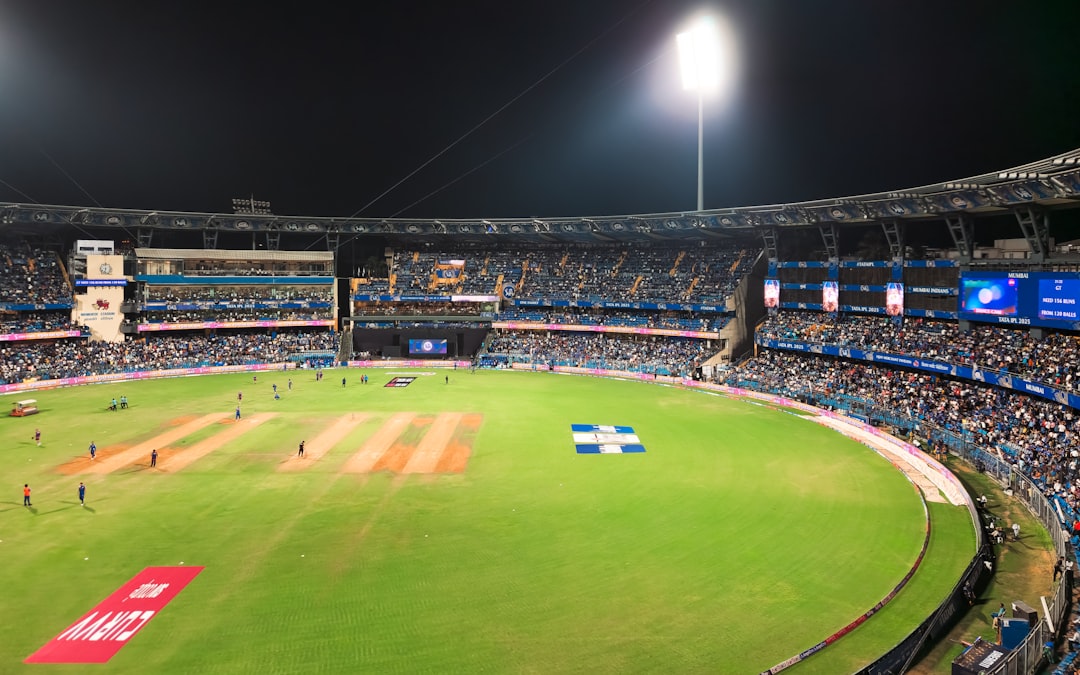
Cricket’s Official Return: Los Angeles 2028
In October 2023, the IOC officially announced that cricket will be included in the 2028 Summer Olympics in Los Angeles. This marks a historic re-entry for cricket after 128 years and reflects the ongoing globalization of the sport.
The format to be used will be T20, and both men’s and women’s tournaments are expected to be held. This inclusion is seen as a strategic move by the Olympic Committee to engage the South Asian audience, which makes up a significant portion of the global population and is deeply passionate about cricket.
Why the 2028 Olympics Is a Strategic Entry Point
Los Angeles is not traditionally a cricket hotspot, but the city’s global demography includes millions from cricket-loving nations, especially the Indian diaspora. Moreover, the United States has been investing in cricket infrastructure in recent years, including launching Major League Cricket (MLC) in 2023.
By introducing cricket in such a multicultural setting, the Olympic platform aims to attract a broader audience while providing a stepping stone for cricket’s deeper integration into the mainstream American sports culture.
Reactions from the Cricketing World
The official inclusion was met with excitement and approval from major cricket boards and fans across the world. Here are some notable reactions:
- ICC: Welcomed the move and announced their commitment to working with the IOC to ensure successful integration.
- BCCI: Expressed full support, marking a shift from their earlier hesitance to participate in multi-sport events.
- Fans: Celebrated on social media, calling it a long-overdue development that will help globalize the sport.

Benefits of Cricket in the Olympics
Including cricket in the Olympics brings numerous benefits—not just for the game but also for the global sporting landscape:
- Global Exposure: The platform allows emerging cricket nations like the USA, Nepal, and Namibia to gain visibility.
- Women’s Cricket Empowerment: The inclusion boosts women’s participation and spotlights female athletes on a global stage.
- Youth Engagement: T20 is an appealing format for younger audiences, thereby increasing youth involvement in both cricket and the Olympics.
- Potential for New Markets: Cricket in the Olympics could trigger viewership and merchandise markets in regions previously untouched by the game.
Challenges Ahead
While the excitement is palpable, several challenges need to be addressed to ensure cricket’s sustainable Olympic journey:
- Scheduling Conflicts: Aligning domestic and international cricket calendars with the Olympic schedule remains a logistical hurdle.
- Player Participation: Released players from professional leagues like the IPL or The Hundred will need to prioritize Olympic commitments.
- Infrastructure: Host nations may need to establish or upgrade cricketing facilities if they don’t already exist.
What Can We Expect in 2028?
The cricket tournament at the 2028 Los Angeles Olympics is expected to feature a limited number of teams — possibly between 6-8 — due to time and space constraints. Qualifying rounds might be organized based on ICC rankings or specific tournaments. Gender parity is also a focus, with both men’s and women’s competitions set to be equally promoted.
Participating teams might include traditional powerhouses like India, Australia, England, Pakistan, and emerging cricket nations like USA and Netherlands. These countries offer both competitive spirit and diverse representation, which aligns well with the Olympic ethos.
Conclusion: A New Era for Cricket
The inclusion of cricket in the 2028 Olympics is not just a victory for the sport’s fans but also a reflection of how much global sporting landscapes have evolved. With shorter formats and increasing global appeal, cricket is now in a better position than ever to become a staple in multi-sport events.
While obstacles remain, the opportunity is enormous. The Olympics can give cricket the global platform it deserves, and in return, cricket can bring passionate fans, vibrant culture, and exciting competition to the games.
As we wait eagerly for 2028, one thing is clear — cricket is no longer just a gentleman’s game played in specific corners of the world, but a global force ready for the Olympic spotlight.