Cornhole is a simple backyard game that becomes highly competitive when played under official rules. While it may look casual, the official cornhole setup and distance requirements are precise and standardized, especially in tournament play. Understanding board dimensions, spacing, pitching distances, and court layout helps ensure fair competition and an authentic playing experience. Whether setting up in a backyard or preparing for league play, proper measurements make all the difference.
TLDR: Official cornhole boards are 48 inches long by 24 inches wide, with a 6-inch hole centered 9 inches from the top. The front edges of the boards must be placed 27 feet apart for adult play, measured from front edge to front edge. Junior and recreational distances are shorter. Proper setup also includes court boundaries, foul lines, and level board placement for tournament-standard play.
Official Cornhole Board Dimensions
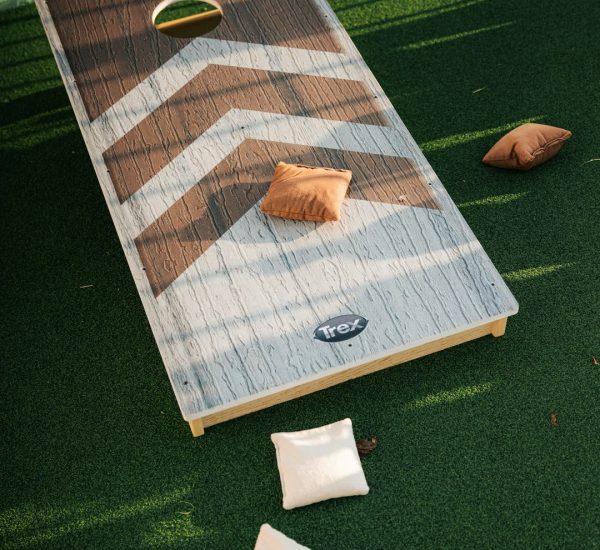
According to governing bodies such as the American Cornhole League (ACL) and the American Cornhole Association (ACA), professional cornhole boards must meet strict size guidelines.
- Board Length: 48 inches (4 feet)
- Board Width: 24 inches (2 feet)
- Board Thickness: Typically ½ to ¾ inch plywood
- Hole Diameter: 6 inches
- Hole Placement: Centered 9 inches from the top edge and 12 inches from each side
The board surface should be smooth, typically finished with paint or laminate to allow bags to slide without sticking excessively. The rear of the board is raised so that the back edge sits 12 inches above the ground, creating the signature angled playing surface.
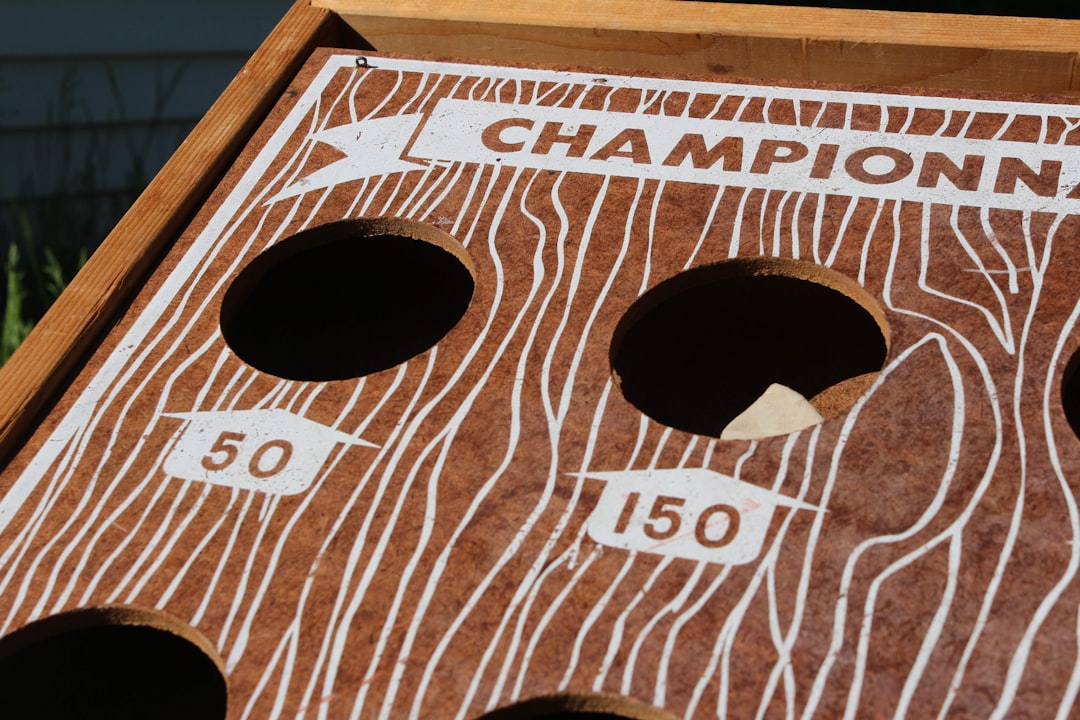
This angled design is critical because it affects gameplay strategy, slide control, and bounce. If the angle differs from regulation, it can significantly impact scoring.
Official Cornhole Bag Specifications
While board setup is essential, bag specifications also influence gameplay and fair competition.
- Bag Size: 6 inches by 6 inches
- Bag Weight: 15.5 to 16.25 ounces
- Material: Duck cloth fabric filled with plastic resin pellets
Bags should feel firm but slightly flexible. In professional play, dual-sided bags (slick on one side, stick on the other) are common, though both sides must comply with material regulations.
Official Cornhole Court Layout
An official cornhole court is more than just two boards placed on grass. Tournament setups include defined pitching boxes and foul lines.
Board Distance
The official distance for adult competitive play is:
- 27 feet from the front edge of one board to the front edge of the opposing board
This measurement is critical and must be taken from the front lip of each board, not the back or center.
For comparison, other common distances include:
- Juniors (ages 9–12): 12–15 feet
- Recreational play: 24 feet
- Children under 9: 12 feet
Pitcher’s Box
Each board has a pitcher’s box extending 4 feet on either side of the board and the full length between the boards. Players must remain within this designated lane when throwing.
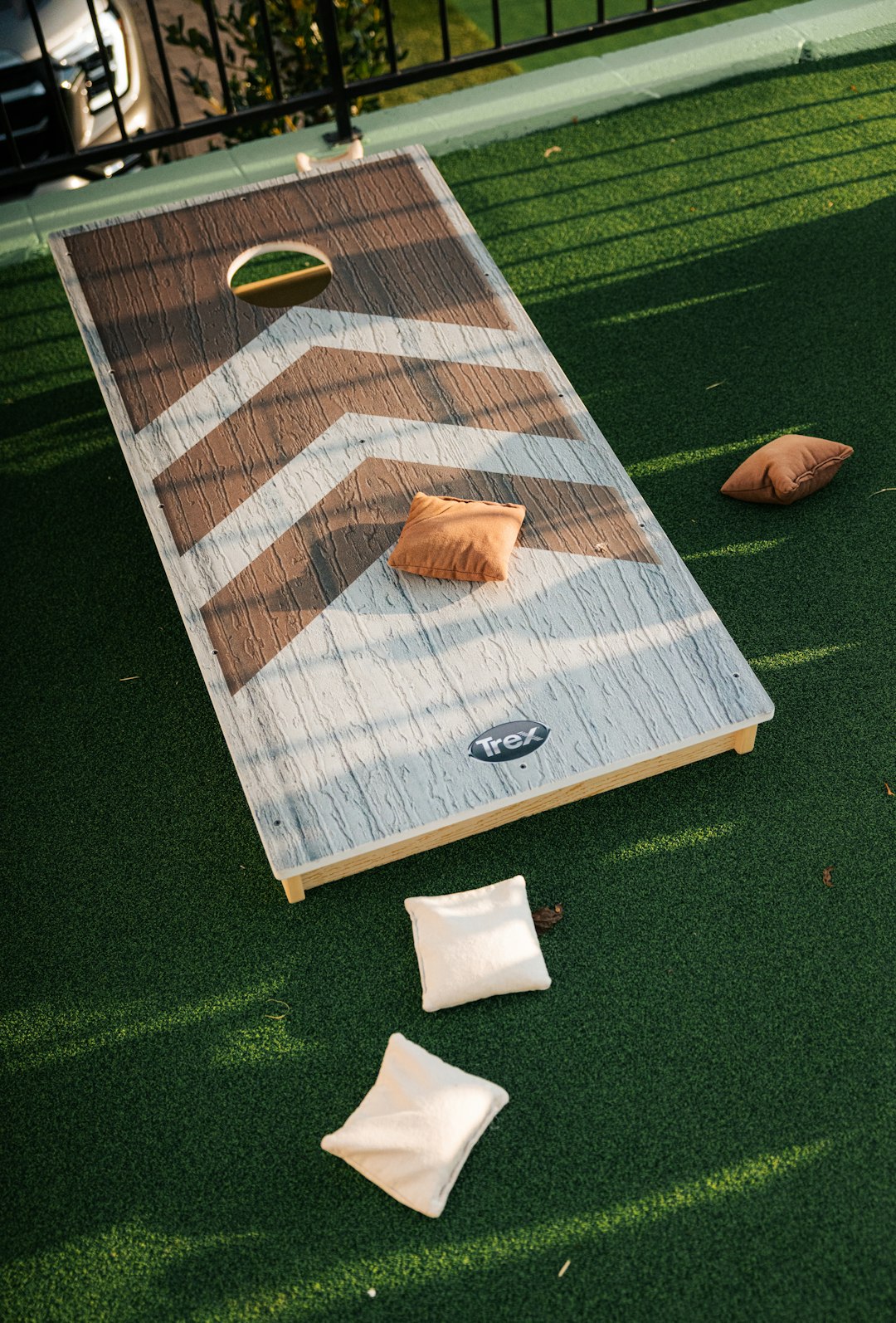
Players must release the bag before stepping past the front edge of the board. Crossing this line results in a foot foul.
Surface and Placement Considerations
Proper placement significantly affects gameplay fairness. Official guidelines recommend:
- Level ground: Boards must sit flat without wobble.
- Parallel alignment: Boards should face each other directly.
- Stable positioning: Boards must not slide during play.
- Adequate lighting: Especially for tournament or evening matches.
Grass, turf, concrete, or indoor sport courts are acceptable surfaces as long as the boards remain stable. Many tournament organizers use rubber matting underneath boards to prevent movement.
Indoor vs. Outdoor Setup
When setting up indoors, ceiling clearance becomes important. A minimum ceiling height of 12 feet is recommended to allow proper throwing arcs.
Outdoor setups must consider wind. Even a mild breeze can affect lightweight resin-filled bags. Competitive players often position courts perpendicular to prevailing winds to minimize drift during throws.
Measuring the Regulation 27-Foot Distance Correctly
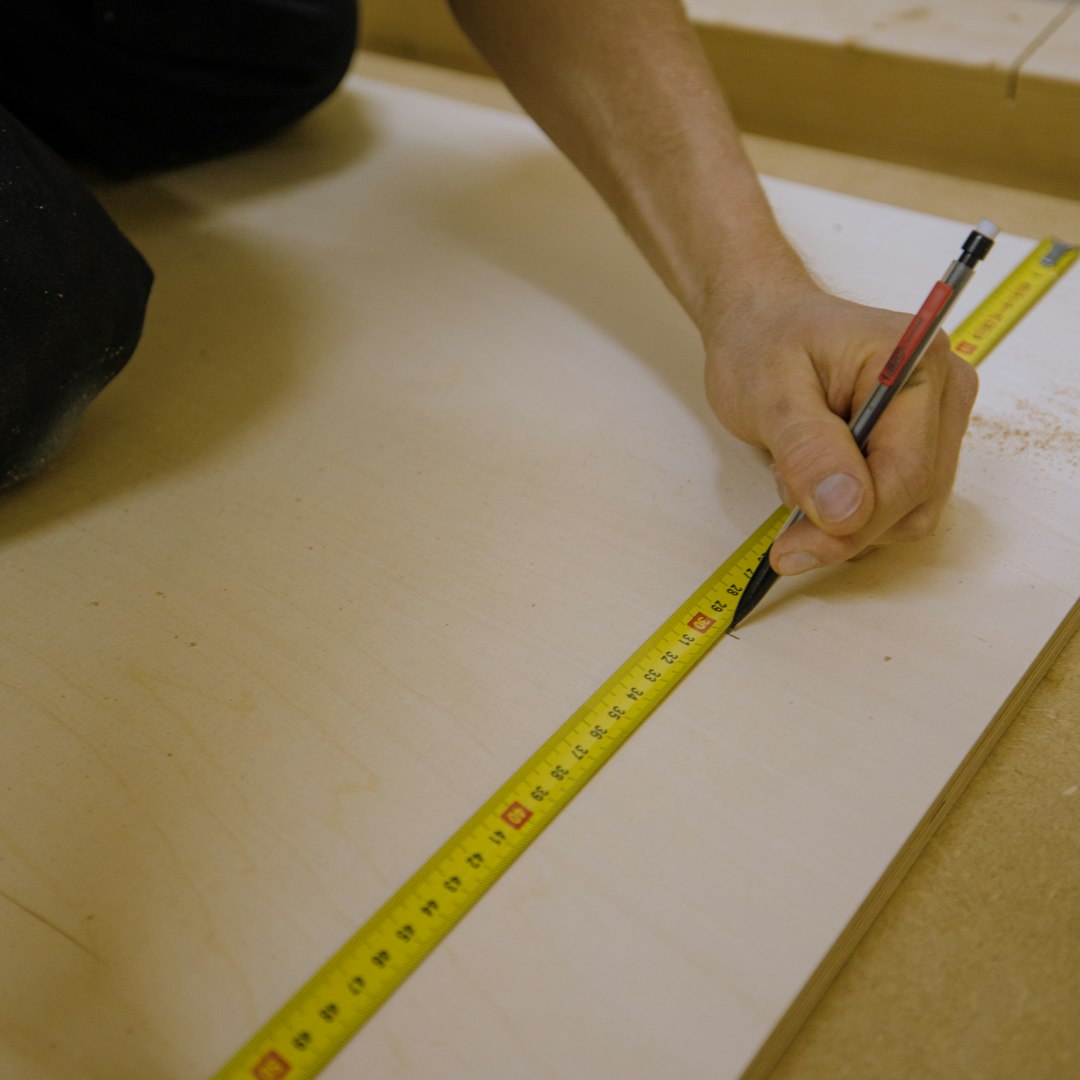
One of the most common setup mistakes involves incorrect measurement. To ensure accuracy:
- Place both boards roughly facing each other.
- Hook the measuring tape to the front edge of one board.
- Extend the tape directly to the front edge of the opposite board.
- Adjust until the distance reads exactly 27 feet.
Some players mistakenly measure from hole to hole or back leg to back leg. These incorrect methods can alter gameplay significantly.
Why Official Distances Matter
The 27-foot distance is not arbitrary. It creates a balance of skill between:
- Slide shots
- Air mail throws
- Block shots
- Aggressive pushes
If boards are too close, the game becomes overly easy and reduces strategic depth. If too far apart, consistency suffers and scoring decreases dramatically.
Staying compliant with regulation distance ensures players can transition seamlessly between backyard practice and competitive tournament play.
Scoring Overview for Regulation Play
Understanding setup also requires knowing standard scoring:
- Bag in the hole: 3 points
- Bag on the board: 1 point
- Cancellation scoring: Only the difference in points per round counts
Games are typically played to 21 points. Some leagues require a win by 2 rule, while others allow exact scoring without busting.
Adjusting for Casual and Backyard Play
While official distances are ideal, many players adapt measurements for limited space. Some practical adjustments include:
- Reducing distance to 24 feet for patios
- Using lighter bags for younger players
- Marking foul lines with tape instead of permanent paint
However, players serious about improving should gradually transition toward full regulation spacing. Muscle memory and throwing technique depend heavily on consistent distance.
Tournament-Ready Court Checklist
For those preparing for league or sanctioned events, the following checklist ensures compliance:
- Boards measure 48″ x 24″
- 6″ diameter hole centered correctly
- Rear height set at 12″
- Boards exactly 27 feet apart (front to front)
- Level playing surface
- Clearly defined pitching boxes
- Adequate lighting and space clearance
Completing this checklist ensures consistency with major governing bodies and promotes fair competition.
Common Setup Mistakes
Even experienced players occasionally make setup errors. The most frequent issues include:
- Incorrect distance measurement
- Boards not level or angled properly
- Hole drilled in the wrong position
- Using underweight or overweight bags
Correcting these small details dramatically improves gameplay consistency.
Conclusion
Official cornhole setup standards bring structure and fairness to a game that has grown from backyard pastime to nationally televised competition. Proper board dimensions, accurate 27-foot spacing, regulation bag weight, and defined pitcher’s lanes all work together to create balanced, strategic play. Whether organizing a tournament or upgrading a backyard court, adhering to official measurements ensures a professional-quality experience. By mastering setup fundamentals, players can focus on skill development and competitive improvement.
Frequently Asked Questions (FAQ)
- How far apart are official cornhole boards?
Boards are placed 27 feet apart, measured from the front edge of one board to the front edge of the other. - What is the junior cornhole distance?
Juniors typically throw from 12 to 15 feet, depending on age and league rules. - How high should the back of a cornhole board be?
The back edge should sit 12 inches above the ground to create the correct incline. - What size is a regulation cornhole board?
A regulation board measures 48 inches long and 24 inches wide with a 6-inch diameter hole. - Do you measure 27 feet from hole to hole?
No. The 27 feet is measured from the front edge of one board to the front edge of the other. - Can adults play at 24 feet instead of 27?
Yes for recreational play, but competitive tournaments require the full 27-foot distance. - What surface is best for setting up cornhole boards?
Grass, turf, concrete, or indoor courts are all acceptable as long as the boards remain level and stable.