Keeping a PUSUN pickleball machine clean is essential for maintaining consistent ball delivery, extending machine lifespan, and protecting the internal components from unnecessary wear. Whether the machine is used indoors or outdoors, dust, ball debris, and moisture can gradually accumulate and affect performance. With a structured cleaning routine and the right tools, owners can ensure their investment continues operating at peak efficiency for years.
TLDR: Regular cleaning of a PUSUN pickleball machine prevents jams, protects internal components, and ensures accurate ball feeding. Focus on clearing debris from the ball hopper, wheels, and feed system while keeping electronic parts dry. Use soft brushes, microfiber cloths, and compressed air for best results. A simple weekly and monthly routine can significantly extend the machine’s lifespan.
Why Cleaning a PUSUN Pickleball Machine Matters
PUSUN pickleball machines are engineered for precision and durability, but like any mechanical device, they require maintenance. Every time a pickleball is launched, small particles of plastic, rubber dust, and court debris can enter the system. Over time, this buildup may lead to:
- Inconsistent ball speed and spin
- Ball feeding errors or jamming
- Premature wheel wear
- Motor strain and overheating
Routine cleaning not only preserves performance but also reduces the need for costly repairs. Maintenance should be viewed as preventative care rather than a troubleshooting response.
Recommended Cleaning Tools
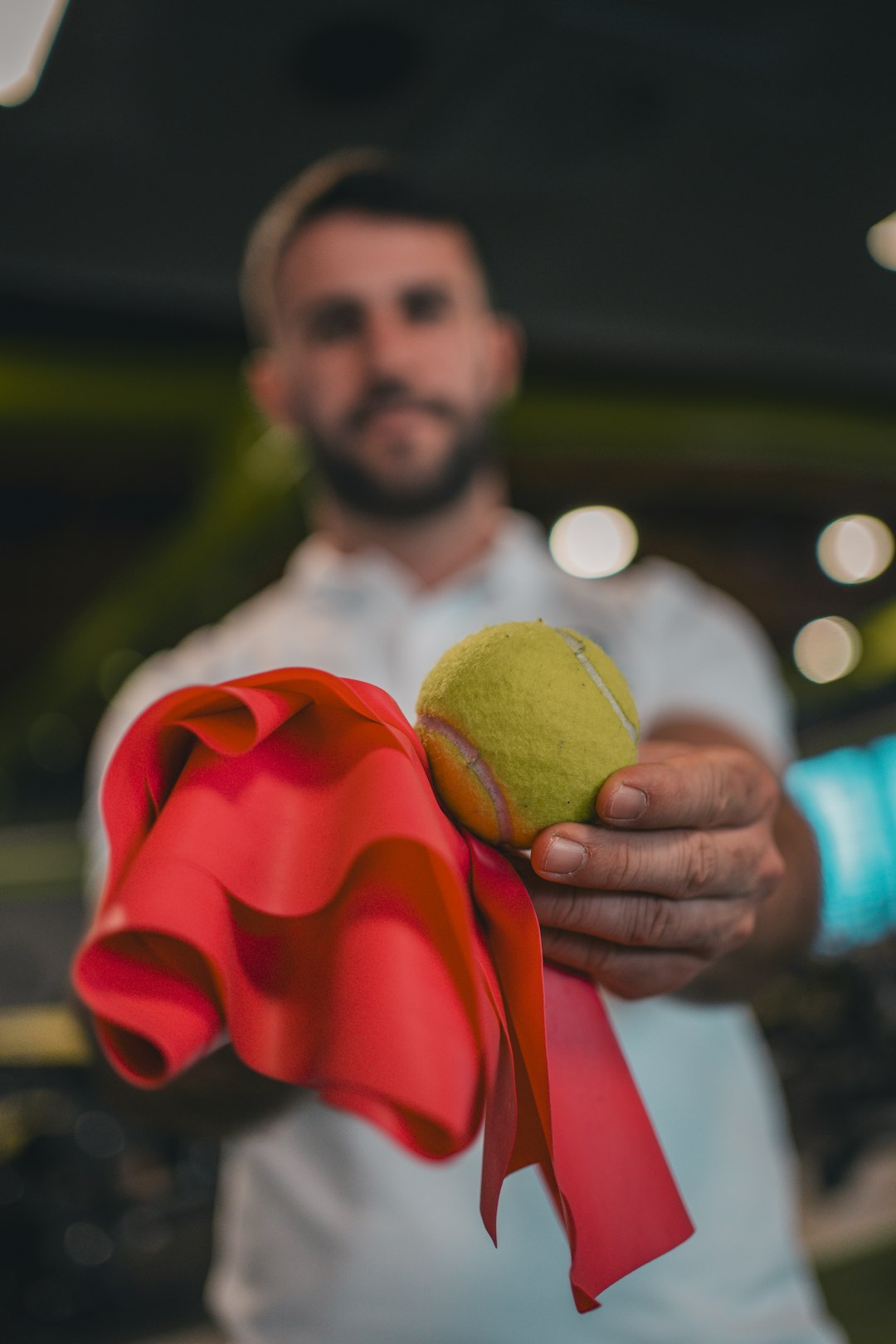
Before beginning the cleaning process, users should gather the right tools. Using improper materials can damage sensitive parts such as the throwing wheels or electronic housing.
| Tool | Purpose | Recommended Frequency | Notes |
|---|---|---|---|
| Microfiber Cloth | Wiping exterior surfaces | After every session | Non-abrasive and lint-free |
| Soft Bristle Brush | Cleaning wheels and crevices | Weekly | Prevents scratching rubber wheels |
| Compressed Air | Removing dust from internal areas | Weekly or biweekly | Use short bursts to avoid moisture buildup |
| Mild Detergent Solution | Deep cleaning exterior | Monthly | Never apply directly to electronics |
| Dry Towel | Drying after cleaning | As needed | Prevents moisture damage |
Step-by-Step Cleaning Process
1. Power Off and Disconnect
Safety must always come first. The machine should be powered off and unplugged before any cleaning begins. If the unit runs on battery power, the battery should be removed to prevent accidental activation.
2. Empty the Ball Hopper
All pickleballs should be removed from the hopper. Dirt and fragments from worn balls often collect at the bottom. Users should turn the hopper upside down and gently shake out debris.

A microfiber cloth can then be used to wipe down the inside. If dust has accumulated in corners, a soft brush works well to loosen particles.
3. Clean the Throwing Wheels
The throwing wheels are the most critical component affecting ball performance. Residue buildup can alter spin and trajectory. To clean them properly:
- Rotate the wheels manually to inspect for debris.
- Use a soft bristle brush to remove surface dust.
- Apply compressed air in short bursts to clean tight areas.
- Avoid harsh chemicals that may degrade rubber surfaces.
If residue is stubborn, a barely damp microfiber cloth may be used. However, moisture should never seep into the motor housing.
4. Inspect and Clear the Feed Mechanism
The feeding system guides balls from the hopper to the wheels. Small pieces of plastic or dirt can disrupt smooth movement. Users should visually inspect pathways and gently dislodge any buildup.
Compressed air is particularly effective here. It removes particles without forcing them deeper into the machine.
5. Wipe Down the Exterior
The outer casing protects internal components but can collect dust, sweat, and outdoor grime. Using a slightly damp microfiber cloth with mild detergent, users should wipe down:
- Control panel
- Handle and frame
- Wheels and base
Electronics should be cleaned with a dry cloth only. Direct spraying of liquid cleaners should always be avoided.
6. Dry Thoroughly Before Reassembly
After cleaning, every component must be completely dry before reconnecting the battery or plugging the machine in. Moisture is one of the most common causes of electrical malfunction.
Weekly vs. Monthly Maintenance Schedule
A structured maintenance schedule simplifies upkeep and prevents oversight.
Weekly Routine
- Empty hopper and remove debris
- Brush and inspect throwing wheels
- Use compressed air on feed system
- Wipe exterior surfaces
Monthly Deep Cleaning
- Conduct detailed wheel inspection
- Clean battery contacts carefully
- Check for loose screws or components
- Inspect wiring for wear
By adhering to this schedule, users dramatically reduce performance inconsistencies during practice sessions.
Outdoor Usage Considerations
PUSUN pickleball machines used outdoors require extra attention. Outdoor courts introduce sand, leaves, moisture, and temperature fluctuations.
Best practices for outdoor cleaning:
- Clean immediately after use to prevent dirt from settling.
- Avoid storing the machine in damp garages.
- Use a protective cover during transport.
- Allow the machine to reach room temperature before operation if stored in cold environments.
Humidity can cause internal corrosion over time. Silica gel packs placed near storage areas help absorb excess moisture.
Common Cleaning Mistakes to Avoid
Even well-intentioned cleaning can cause damage if done improperly. Owners should avoid the following errors:
- Using high-pressure water: This can force water into motors and wiring.
- Applying chemical solvents: Strong cleaners may degrade rubber wheels.
- Neglecting battery removal: Cleaning with power connected increases risk.
- Skipping routine maintenance: Waiting until performance drops often leads to deeper mechanical issues.
Consistency is far more beneficial than occasional deep cleaning sessions.
How Cleaning Impacts Performance
A clean PUSUN pickleball machine delivers measurable improvements:
- More accurate ball placement
- Consistent spin repetition
- Smoother ball feeding
- Reduced motor strain
Players who rely on machine-fed drills benefit from reliable repetition. Clean wheels grip balls evenly, resulting in predictable trajectories and improved skill development.
Storage Tips After Cleaning
Proper storage complements cleaning efforts. After maintenance:
- Store in a dry, climate-controlled space.
- Keep away from direct sunlight.
- Ensure hopper is empty.
- Disconnect and charge battery appropriately.
Long-term storage should include covering the machine with a breathable protective cover. Airtight plastic covers are not ideal, as they can trap moisture.
When to Seek Professional Servicing
While routine cleaning can resolve most minor issues, certain signs indicate the need for professional maintenance:
- Persistent inconsistent ball speed
- Unusual motor noises
- Frequent jamming despite cleaning
- Electrical malfunctions
In such cases, users should consult the manufacturer’s service guidelines rather than attempting internal disassembly beyond basic cleaning access.
Conclusion
Maintaining a PUSUN pickleball machine through regular cleaning is a straightforward but critical responsibility for any owner. By dedicating time to weekly upkeep and monthly inspections, users preserve accuracy, extend mechanical lifespan, and ensure uninterrupted training sessions. Clean wheels, debris-free feed systems, and dry electronic components are the pillars of reliable performance. With proper care, a PUSUN pickleball machine remains a dependable training partner for years to come.
Frequently Asked Questions (FAQ)
1. How often should a PUSUN pickleball machine be cleaned?
It should receive light cleaning after each use and a more thorough cleaning weekly. A detailed inspection is recommended monthly.
2. Can water be used to wash the machine?
Water should never be sprayed directly onto the machine. A slightly damp microfiber cloth is safe for exterior surfaces, but internal components must remain dry.
3. What causes ball jamming in pickleball machines?
Jamming is typically caused by debris buildup in the feed mechanism or worn, dirty throwing wheels that prevent proper grip.
4. Is it safe to use household cleaners?
Only mild detergent solutions should be used on exterior surfaces. Strong chemical cleaners can damage rubber and plastic components.
5. Does cleaning really improve ball accuracy?
Yes. Clean throwing wheels create consistent friction against the ball surface, resulting in more predictable speed, spin, and direction.
6. Should the battery be removed before cleaning?
Absolutely. Removing or disconnecting the battery prevents electrical hazards during maintenance.
7. What is the biggest mistake owners make?
The most common error is neglecting routine cleaning until performance issues arise. Consistent maintenance prevents most operational problems.