
The digital world we interact with daily is shaped not just by developers or marketers, but by a key creative force that often bridges functionality and beauty — the UI/UX artist. These professionals blend intuitive design principles with aesthetic appeal to construct interfaces that are not only usable, but delightful. In an age where user attention is fragmented, the role of a UI/UX artist has never been more critical.
TL;DR
UI/UX artists blend visual design and user-centered interaction to create digital experiences that are both functional and beautiful. They research user behavior, prototype interfaces, and ensure seamless navigation in apps or websites. While UI (User Interface) focuses on aesthetics, UX (User Experience) ensures the product is intuitive. The harmony between both is what separates good digital products from great ones.
Understanding the Terminology: UI vs. UX
Though often mentioned together, UI (User Interface) and UX (User Experience) serve different purposes while complementing each other. It’s crucial to understand the distinction:
- User Interface (UI): This includes everything visual on the screen — buttons, colors, typography, spacing, and layout. A UI artist ensures a visually engaging environment that aligns with brand identity.
- User Experience (UX): Goes beyond visuals to encompass the overall feel of the product. How intuitive is the navigation? Are users completing their goals smoothly? That’s UX at work.
A good UI design catches the eye, but excellent UX retains the user. When combined by a skilled artist, the result is a seamless and satisfying digital experience.
The Role of a UI/UX Artist
A UI/UX artist isn’t just a graphic designer or a developer — they’re a hybrid specialist with a variety of skills across multiple disciplines. They move between research and creativity, logic and storytelling, analytics and artistic intuition.
Key responsibilities include:
- User Research: Understanding the target audience through interviews, surveys, and persona creation to identify pain points and goals.
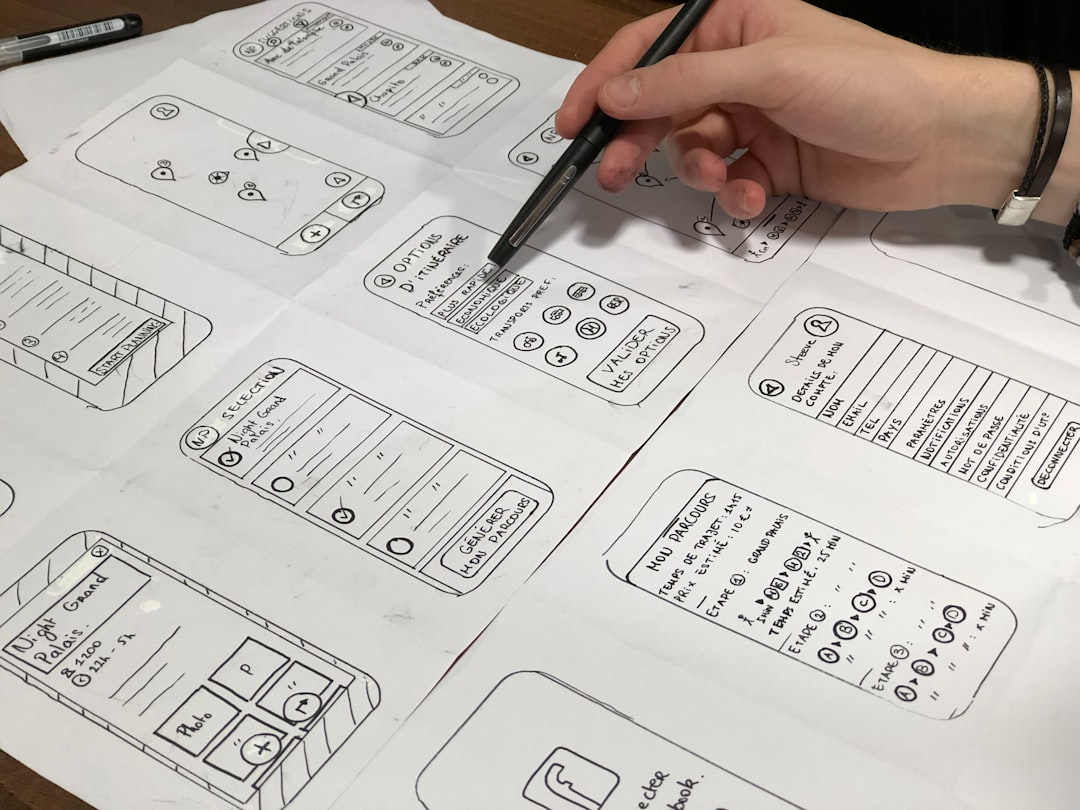
- Wireframing and Prototyping: Creating structural blueprints and interactive models to test usability and flow before visual design begins.
- Visual Design: Picking the right colors, typography, and spacing to elevate usability while making the interface visually appealing.
- Testing and Iteration: Testing designs with real users and refining the interface based on feedback and usage patterns.
- Collaboration: Working closely with developers, product managers, and stakeholders to ensure a product aligns with its strategic goals.
Why UI/UX Artistry Matters More Than Ever
In today’s saturated digital marketplace, users have abundant choices. The smallest glitch or confusing design element can drive someone to a competitor. What truly sets a product apart is a harmonious user experience brought to life by visual elegance.
Some key reasons why UI/UX artistry is vital:
- User Retention: A clean, pleasant interface increases the likelihood of return visits.
- Brand Trust: Beautiful design conveys professionalism and builds confidence in the product.
- Accessibility: UI/UX artists prioritize inclusive design, making digital products accessible to users of all abilities.
- Efficiency: A well-thought-out experience reduces time-on-task, making users feel more productive and satisfied.
As a result, companies who invest in strong UI/UX see better customer satisfaction and increased ROI.
The Tools of the Trade
UI/UX artists utilize a wide range of tools that help them bring their creative visions to life and test their assumptions. Some popular tools include:
- Sketch and Figma: Widely used for interface design, allowing for collaboration, prototyping, and design consistency.
- Adobe XD: A powerful tool for designing and prototyping digital experiences with real-time feedback features.
- InVision: Helpful for creating interactive prototypes and conducting user testing sessions with stakeholders.
- Hotjar and Google Analytics: Used to analyze user behavior and heatmaps, offering insights for UX improvement.
Beyond software, a notebook and pencil often remain a UI/UX artist’s secret weapon — rough sketches still form the roots of most great interfaces.
The Blend of Science and Art
What makes a UI/UX artist stand out is their ability to combine data-driven decisions with an artistic flair. They are not merely following trends but crafting purposeful experiences. They ask questions like:
- How can the layout guide the user’s eyes to the right actions?
- Does the interface reduce cognitive load or overwhelm the user?
- Are visual cues consistent and meaningful across the product?
This approach results in designs that not only look good but function perfectly. Whether it’s a calm color helping a user feel less anxious during onboarding, or a dynamic transition keeping engagement high — every element is designed with intent.
Career Path and Growth
Becoming a UI/UX artist typically combines formal education, self-learning, and real-world experience. Many come from backgrounds like graphic design, psychology, or computer science. Today, there are many paths to enter the field:
- Design Degrees: Human-centered design, visual arts, or digital media degrees offer foundational knowledge.
- Bootcamps: Short, intensive courses focused on practical skills and portfolio creation.
- Online Courses: Platforms like Coursera, Udemy, and Interaction Design Foundation offer quality instruction.
- Hands-on Projects: Joining startups, freelance gigs, or contributing to open-source can build experience.
Growth within the field can lead to roles such as:
- Senior UI/UX Designer
- Product Designer
- Interaction Designer
- Design Director
The demand for skilled professionals continues to rise across industries from e-commerce to healthcare, making this a lucrative and rewarding path.
The Future of UI/UX Artistry
With emerging technologies like AI, AR/VR, and voice interfaces, the role of a UI/UX artist is expanding. New interaction paradigms require fresh thinking and innovation in experience design. Artists will be asked to:
- Design for multiple platforms beyond the traditional screen (voice, wearables, immersive media)
- Integrate AI to personalize user experiences dynamically
- Consider ethical impacts of design decisions — from user privacy to data transparency
Ultimately, they will shape how we interact with the digital universe in increasingly human ways.
Conclusion: A Conductor of Digital Journeys
The UI/UX artist is more than a designer — they are a conductor orchestrating how human emotions, behaviors, and needs interact with the digital world. Every click, hover, and scroll is a carefully considered step in a journey built by their hands. As technology evolves, their role only becomes more nuanced, creative, and essential. So next time you glide through an app smoothly without even noticing the design, remember: there’s an artist behind that experience, blending visuals with purpose.