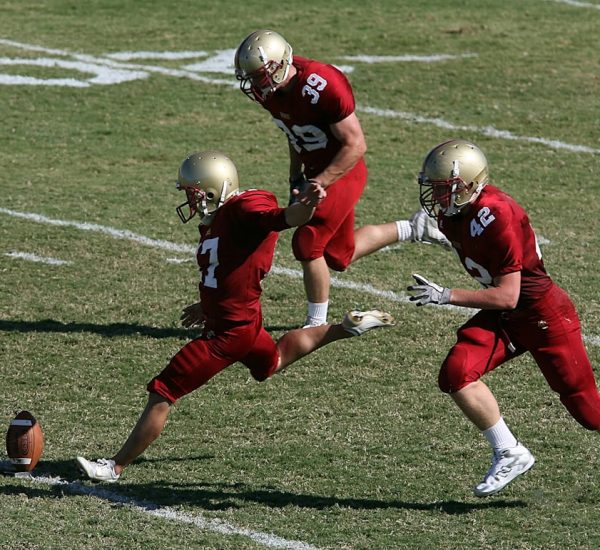
The Pan American Games are one of the largest and most dynamic multi-sport events in the world, bringing together thousands of athletes from across the Americas to compete at the highest level. Often compared to the Olympic Games, this prestigious event showcases not only elite sporting talent but also cultural unity among nations stretching from Canada to Argentina.
TLDR: The Pan American Games are a major international multi-sport event held every four years for countries in North, Central, and South America, as well as the Caribbean. Organized by Panam Sports, the Games feature Summer and Winter editions and serve as a key qualifier for the Olympics. They promote athletic excellence, regional unity, and cultural exchange. Since 1951, the Games have grown into one of the most important sporting events in the Western Hemisphere.
The Origins of the Pan American Games
The idea for the Pan American Games dates back to the early 20th century. Inspired by the success of the modern Olympic Games, sports leaders in the Americas envisioned a continental event that would foster cooperation and friendly competition among nations in the Western Hemisphere.
The first official Pan American Games were held in 1951 in Buenos Aires, Argentina. Athletes from 21 countries competed in 18 sports. Since then, the Games have been held every four years, growing steadily in size and importance.
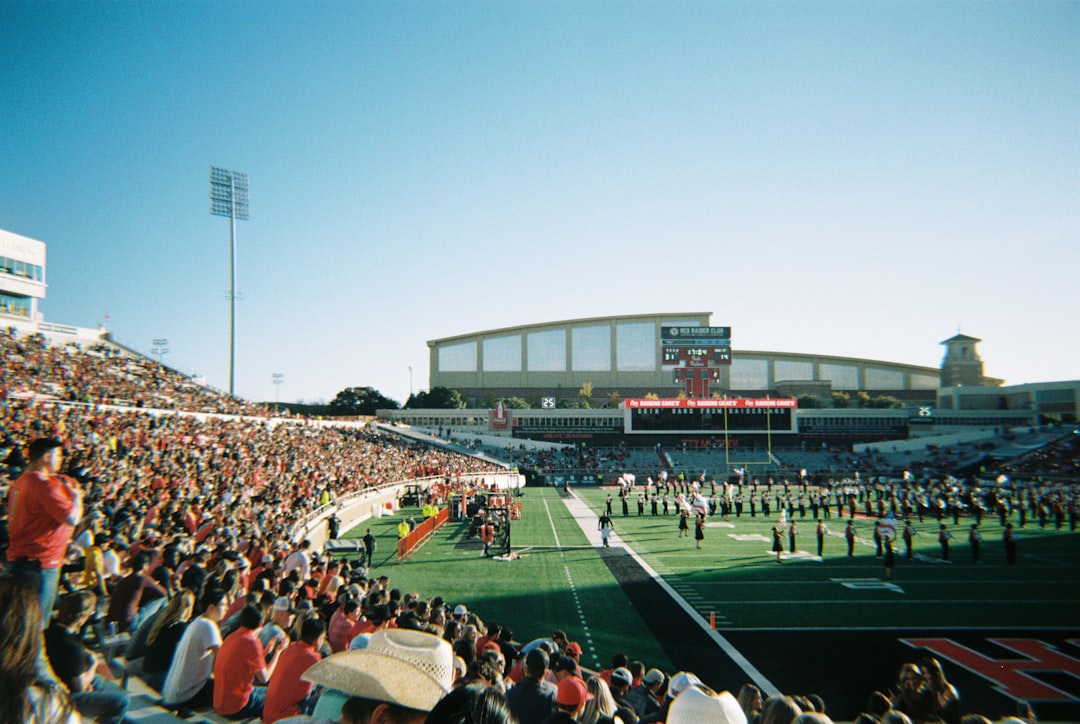
Today, the Games are governed by Panam Sports (formerly the Pan American Sports Organization), which oversees planning, regulation, and host city selection.
Who Participates?
One of the defining features of the Pan American Games is the diversity of participating nations. Countries from:
- North America (e.g., United States, Canada)
- Central America (e.g., Costa Rica, Guatemala)
- The Caribbean (e.g., Jamaica, Cuba, Bahamas)
- South America (e.g., Brazil, Colombia, Chile, Argentina)
take part in the Games. In total, 41 nations compete under the banner of Panam Sports.
For many athletes, the Pan American Games provide:
- A first taste of major international competition
- Valuable ranking points
- Qualification pathways for the Olympic Games
- Opportunities to represent their country on a major stage
Sports Featured at the Games
The Pan American Games primarily focus on Summer Olympic sports, although they also include some regional and non-Olympic events that are particularly popular in the Americas.
Core sports often include:
- Athletics (track and field)
- Swimming
- Gymnastics
- Basketball
- Soccer
- Boxing
- Wrestling
- Cycling
- Volleyball
In recent editions, additional sports such as skateboarding, surfing, karate, and baseball/softball have been included, depending on host city proposals and Olympic trends.
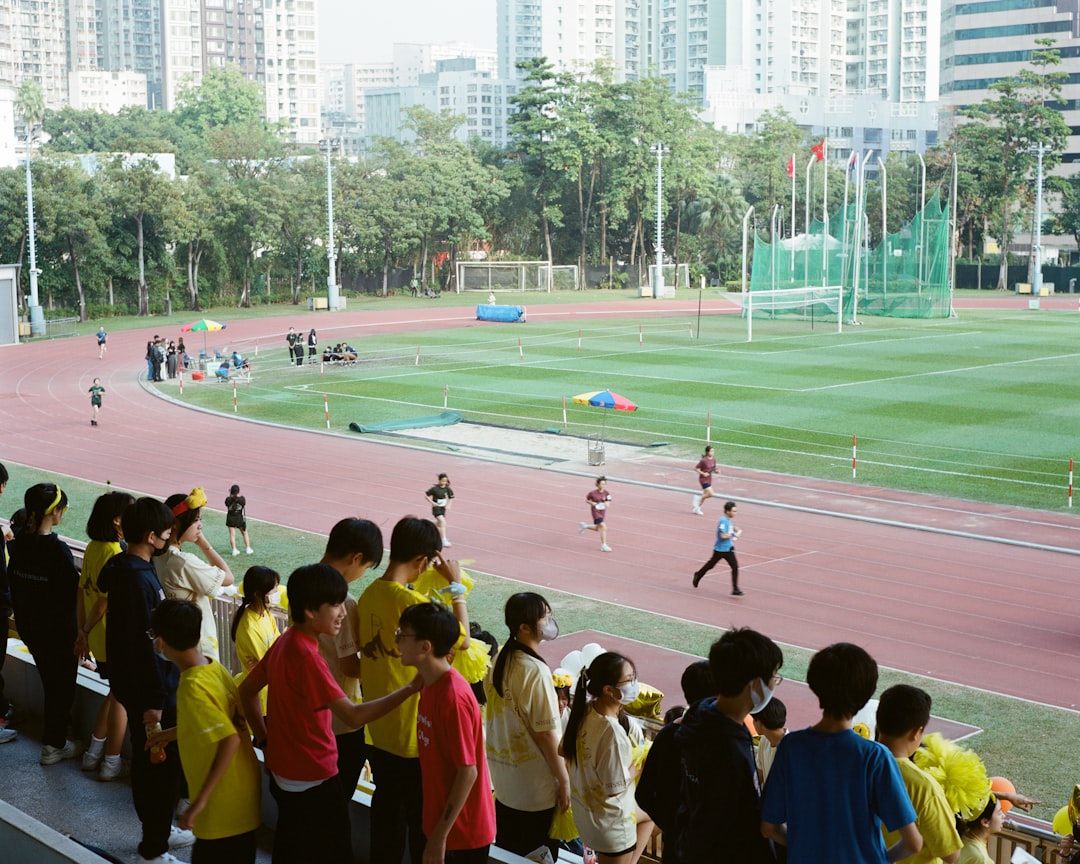
The variety of sports ensures broad representation and reflects the athletic culture of the Americas.
The Pan American Winter Games
While the Summer Pan American Games have a long history, the Pan American Winter Games are relatively new. The first Winter edition was held in 2023 in Santiago, Chile. These Games feature snow and ice sports such as:
- Skiing
- Snowboarding
- Figure skating
- Ice hockey
The Winter Games aim to expand opportunities for athletes in colder regions of the Americas and to strengthen winter sport development across the continent.
How the Pan American Games Compare to the Olympics
While the Olympics involve nations from around the globe, the Pan American Games are limited to the Americas. However, the scale and structure are quite similar.
| Feature | Pan American Games | Olympic Games |
|---|---|---|
| Participants | 41 nations from the Americas | 200+ nations worldwide |
| Frequency | Every 4 years | Every 4 years (Summer/Winter) |
| Governing Body | Panam Sports | International Olympic Committee |
| Purpose | Continental competition, Olympic qualification | Global competition |
In many sports, performance at the Pan American Games can directly qualify athletes for the Olympics, making it a critical stepping stone in an athlete’s career.
Host Cities and Economic Impact
Hosting the Pan American Games is a significant undertaking. Cities must build or upgrade:
- Stadiums and arenas
- Athlete villages
- Transportation infrastructure
- Training facilities
Past host cities have included:
- Toronto, Canada
- Lima, Peru
- Rio de Janeiro, Brazil
- Guadalajara, Mexico
- Santiago, Chile
These events often leave a lasting legacy, including improved sports infrastructure and increased tourism. However, like the Olympics, they also require careful financial planning to avoid excessive costs.
Memorable Moments in Pan American Games History
Over the decades, the Games have produced countless unforgettable performances. Legendary athletes such as:
- Michael Phelps (USA)
- Usain Bolt (Jamaica, youth competitions connected to Pan American system)
- Simón Bolívar arena gymnasts and track stars from Brazil and Cuba
have used the Games as stepping stones toward global fame.
Cuba, the United States, Canada, and Brazil have traditionally dominated medal tables, but smaller nations frequently achieve breakthrough victories, creating powerful stories of perseverance and national pride.
Cultural Significance
The Pan American Games are more than just a sporting competition. They represent:
- Unity across diverse cultures
- Celebration of Latin American, Caribbean, and North American heritage
- Diplomatic goodwill
Opening and closing ceremonies showcase music, dance, and traditions from the host country. These performances highlight the cultural richness of the Americas and provide a global audience with a window into regional identity.
For many participating countries, the Games also strengthen national sports programs and inspire future generations of athletes.
Why the Pan American Games Matter Today
In an era of global competition, the Pan American Games serve as a vital regional platform for development and excellence. They provide:
- A clearer pathway to Olympic qualification
- Increased investment in youth and grassroots sports
- International exposure for emerging athletes
- A sense of continental solidarity
For smaller nations especially, the Pan American stage may offer more attainable success than the Olympics, helping to boost national morale and sports funding.
Looking Ahead: The Future of the Games
The future of the Pan American Games appears bright. Organizers are increasingly committed to:
- Sustainability and environmentally responsible planning
- Gender equality in sports participation
- Inclusion of new and youth-focused sports
- Digital broadcasting for wider global reach
As sports evolve and audiences change, the Games continue to adapt while maintaining their core mission: bringing the nations of the Americas together through athletic excellence and mutual respect.
In essence, the Pan American Games stand as a powerful symbol of unity, ambition, and competitive spirit. They showcase the best athletes from the Western Hemisphere and create life-changing opportunities for competitors at every stage of their journey. While they may not command the same global spotlight as the Olympics, within the Americas, they represent a pinnacle of sporting achievement—where dreams are tested, champions are crowned, and continental pride shines brightly every four years.