
The Super Bowl is more than just a game; it is a cultural phenomenon that has become an essential part of American life. Every year, tens of millions of viewers gather around their TVs in January or February to watch the championship showdown of the National Football League (NFL). But how did it all begin? What year was the first Super Bowl played? To understand the origins of what would become one of the most-watched sporting events in the world, one has to go back several decades to a time of rivalry, innovation, and transformation in American football.
TLDR (Too long, didn’t read):
The first Super Bowl was played on January 15, 1967. It was a clash between the NFL champion Green Bay Packers and the AFL champion Kansas City Chiefs. Held at the Los Angeles Memorial Coliseum, the game was initially known as the “AFL-NFL World Championship Game.” The term “Super Bowl” wasn’t officially adopted until later.
The Background Leading to the First Super Bowl
To understand the necessity for a Super Bowl, it’s essential to grasp the football landscape of the early 1960s. At the time, there were two major professional football leagues in the United States:
- National Football League (NFL): The long-established league, which had been in existence since 1920.
- American Football League (AFL): A newer rival league that started in 1960 to compete with the NFL.
Both leagues were vying for top talent, fan attention, and market dominance. The competition between the two became fierce, leading to a bidding war for college players and a divided fan base. Eventually, to preserve financial integrity and reduce chaos, the two leagues agreed to merge. As a part of the merger agreement in 1966, it was decided that the champions of each league would play a game to determine the overall professional football champion.
The First Super Bowl: Date, Teams, and Venue
The inaugural Super Bowl—officially called the AFL-NFL World Championship Game—was played on January 15, 1967. The location chosen for this historic matchup was the Los Angeles Memorial Coliseum in California.
The game featured:
- Green Bay Packers — The champions of the NFL, coached by the legendary Vince Lombardi.
- Kansas City Chiefs — The champions of the AFL, coached by Hank Stram.
Though excitement over the game’s potential was high, ticket sales told a different story—over 30,000 seats went unsold. Little did anyone know just how momentous the event would eventually become.
The Game Itself
The first Super Bowl was relatively one-sided. The Green Bay Packers showcased their dominance early on and continued to maintain control throughout the game. Under quarterback Bart Starr’s leadership, the Packers defeated the Chiefs with a commanding score of 35–10.
Among the notable highlights were touchdowns by wide receiver Max McGee and a strong Packers defense that managed to shut down the Chiefs’ offensive threats during the second half. Bart Starr was named the game’s Most Valuable Player (MVP) for his efficient performance.
One fascinating detail about the first Super Bowl is that it was simulcast by both NBC and CBS, an unusual broadcasting arrangement that has never been repeated since. However, due to technical errors, only a partial recording of the broadcast exists today.
The Naming of the “Super Bowl”
Although the term “Super Bowl” is now universally known, it wasn’t officially used for the first two championship games. According to most accounts, the moniker was coined by Lamar Hunt, owner of the Kansas City Chiefs and founder of the AFL. Inspired by his children’s toy called a “Super Ball,” Hunt casually suggested the term “Super Bowl,” which quickly caught on within media and fan circles despite its initial informality.
Starting with the third iteration in 1969, the NFL officially named the game “Super Bowl III,” retroactively labeling the first and second games accordingly.
Legacy of Super Bowl I
While the first Super Bowl might not have drawn a full stadium or explosive press coverage, it laid the groundwork for what would become a multi-billion-dollar tradition. Today, the Super Bowl is a global spectacle, complete with halftime shows, commercials costing millions of dollars, and parties around the world.
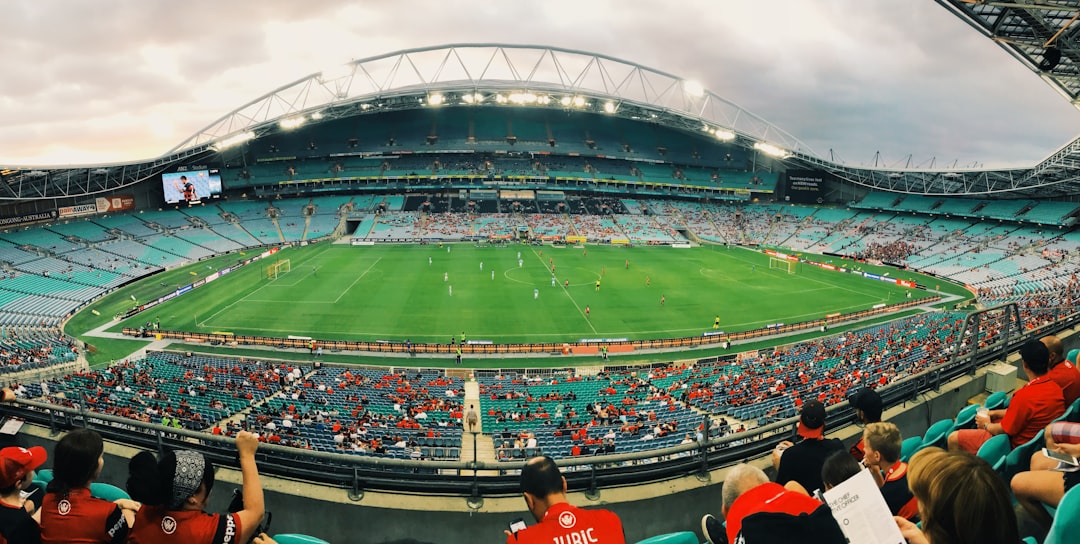
After the AFL-NFL merger was fully completed in 1970, the Super Bowl became the official final championship game of a unified NFL. Super Bowl I’s importance cannot be overstated—it represented not just a game, but a pivotal moment in professional sports history that helped turn American football into what it is today.
Interesting Facts About the First Super Bowl
- Date: January 15, 1967
- Location: Los Angeles Memorial Coliseum
- Attendance: Approximately 61,946 (more than 30,000 seats were empty)
- Winner: Green Bay Packers (35–10)
- MVP: Bart Starr, quarterback
- TV Broadcast: Aired on both NBC and CBS
- Commercial Cost: Around $37,500 for a 30-second spot—unthinkably low compared to today’s rates
Conclusion
The first Super Bowl may have lacked the glamour and scale of today’s games, but it was the cornerstone upon which a modern sports empire was built. Played in 1967, Super Bowl I was more than a championship—it was a signal of change. The NFL and AFL came together, and the event seeded what has since blossomed into the most significant single-day sports event in the United States. From modest beginnings emerged a colossal annual celebration that captivates millions across the globe.
Frequently Asked Questions (FAQ)
1. What year was the first Super Bowl played?
The first Super Bowl was played on January 15, 1967.
2. Who played in Super Bowl I?
The Green Bay Packers (NFL) faced the Kansas City Chiefs (AFL).
3. Who won the first Super Bowl?
The Green Bay Packers won with a score of 35–10.
4. Where was the first Super Bowl held?
The game was played at the Los Angeles Memorial Coliseum in California.
5. What was the original name of the Super Bowl?
It was originally called the AFL-NFL World Championship Game.
6. Who was the MVP of Super Bowl I?
Bart Starr, the quarterback of the Green Bay Packers, earned the MVP title.
7. Why was the Super Bowl created?
It was a result of the merger agreement between the NFL and AFL, allowing the top teams from each league to compete for an overall championship title.
8. How much did a Super Bowl ad cost in 1967?
About $37,500 for a 30-second commercial spot.
9. Was the term “Super Bowl” used officially in the first game?
No, it was unofficial. The name became official with Super Bowl III.
10. How many people watched the first Super Bowl?
Approximately 51 million viewers tuned in to watch the simulcast on CBS and NBC.