Pickleball is one of the fastest-growing sports in the world today, but its origins are surprisingly humble. What began as a backyard pastime has evolved into a global phenomenon played by millions across all age groups. Understanding when pickleball was invented—and how it developed—offers insight into why the sport has captured so many fans in such a short time.
TLDR: Pickleball was invented in 1965 on Bainbridge Island, Washington, by three friends looking to entertain their families. Using improvised equipment and elements from other sports, they created a simple but engaging game. Over the decades, pickleball evolved with standardized rules, official organizations, and rapid nationwide expansion. Today, it is one of the fastest-growing sports in the United States and increasingly popular worldwide.
The Birth of Pickleball: Summer of 1965
Pickleball was invented in the summer of 1965 by Joel Pritchard, Bill Bell, and later Barney McCallum on Bainbridge Island, Washington. According to historical accounts, Pritchard and Bell returned from a golf game to find their families bored on a rainy afternoon. They decided to create a game that everyone—children and adults alike—could enjoy.
They began experimenting on an old badminton court in Pritchard’s backyard. However, they couldn’t find a full set of badminton rackets. Instead, they improvised with ping-pong paddles and a perforated plastic ball. The net was eventually lowered to about 36 inches at the sidelines and 34 inches at the center, a height that remains standard today.

What started as a casual family activity quickly became a competitive and structured game. The creators fine-tuned the rules to make the sport fair, accessible, and engaging for players of varying skill levels.
Where Did the Name “Pickleball” Come From?
The origin of the name “pickleball” is often debated. There are two commonly cited explanations:
- The Pickle Boat Theory: According to Joel Pritchard’s wife, Joan, the name came from the term “pickle boat,” which refers to a crew made up of leftover rowers from other boats. Since pickleball combined elements from multiple sports, the name seemed fitting.
- The Family Dog Theory: Another popular story suggests the game was named after the Pritchards’ dog, Pickles, who would run off with the ball during games.
While the dog story is charming and widely repeated, most historical records support the “pickle boat” explanation as the true origin.
Early Rule Development
Although the game began informally, the inventors quickly realized the need for standardized rules. Barney McCallum played a major role in formalizing the structure of the game. The primary goals were simplicity and accessibility.
Key early rule decisions included:
- Using an underhand serve
- Establishing a non-volley zone (commonly known as “the kitchen”) near the net
- Requiring the ball to bounce once on each side after the serve (the double-bounce rule)
- Playing games to 11 points, win by 2
These features helped create the unique strategic balance that defines pickleball today. The non-volley zone, in particular, prevents overpowering net play and encourages longer rallies.
The 1970s: Formal Organization Begins
By the early 1970s, pickleball had spread beyond Bainbridge Island to other parts of Washington State. In 1972, a corporation was formed to protect the new sport and promote its growth. Just a few years later, in 1976, the first known pickleball tournament was held in Tukwila, Washington.
In 1984, the USA Pickleball Association (USAPA) was established to govern the sport nationally. This organization later updated its name to USA Pickleball (USAP) and became the official rule-making body in the United States.
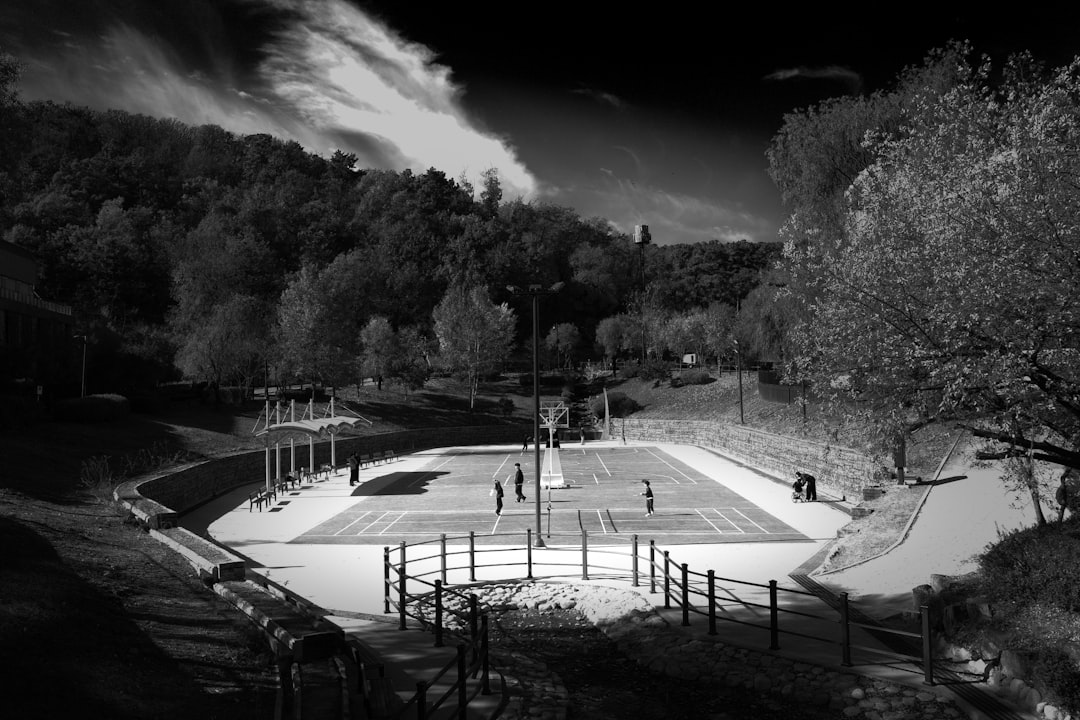
Official rulebooks were published, standardized equipment specifications were introduced, and the groundwork for national competition was laid. This period marked the transition from backyard game to organized sport.
Equipment Evolution Over Time
The earliest pickleball games were played with basic wooden paddles and simple plastic balls. Over time, advancements in materials transformed the sport’s equipment dramatically.
Comparison of Early vs. Modern Equipment
| Feature | 1960s Equipment | Modern Equipment |
|---|---|---|
| Paddles | Solid wood, heavy | Composite, graphite, or carbon fiber |
| Ball | Basic perforated plastic | Indoor and outdoor specific designs |
| Grip | Minimal padding | Ergonomic cushioned grips |
| Net Systems | Adjusted badminton nets | Portable and permanent regulation systems |
Modern paddle technology emphasizes power, control, and spin, enhancing gameplay while maintaining the sport’s accessibility for beginners.
1980s–1990s: National Expansion
Throughout the 1980s and 1990s, pickleball steadily gained popularity, particularly in community centers, schools, and retirement communities. Its smaller court size and lower physical demands compared to tennis made it especially attractive to older adults.
Physical education programs began adopting pickleball due to:
- Simple rule structure
- Affordable equipment
- Suitability for multiple age groups
- Small space requirements
As baby boomers reached retirement age, pickleball’s appeal among seniors significantly boosted its visibility and growth.
2000s: Rapid Growth and Mainstream Recognition
The early 2000s marked a significant turning point. Retirement communities in states like Arizona, Florida, and California installed dedicated pickleball courts, fueling rapid adoption. Word spread quickly, and tournaments began attracting hundreds of players.
By the 2010s, pickleball was no longer seen as just a recreational activity. Competitive leagues, professional tours, and substantial prize money began emerging, helping to legitimize the sport in the broader athletic community.
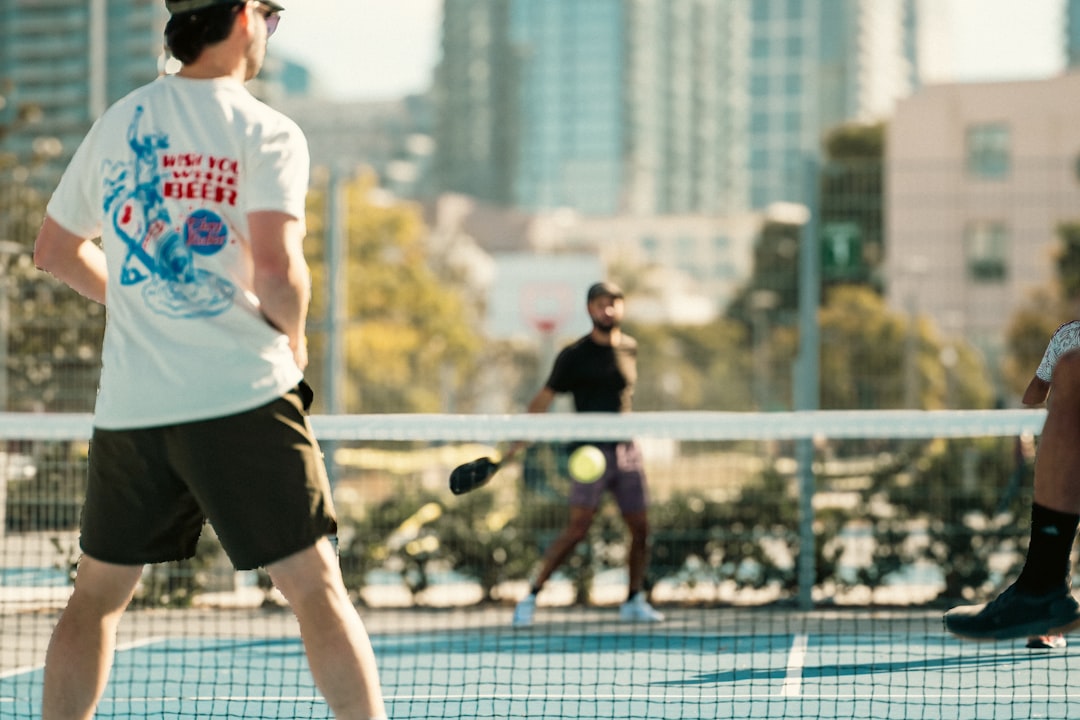
National participation surged dramatically. According to sports industry reports, pickleball became the fastest-growing sport in the United States multiple years in a row during the 2020s.
The Professional Era
Today, pickleball includes professional organizations such as:
- Professional Pickleball Association (PPA)
- Major League Pickleball (MLP)
- Association of Pickleball Professionals (APP)
Major sponsors, televised matches, and endorsements from former professional tennis players have elevated the game’s visibility. High-profile athletes transitioning into pickleball have further accelerated interest.
With millions of active players and thousands of new courts built each year, the sport’s growth trajectory shows no signs of slowing.
Why Pickleball Became So Popular
Understanding when pickleball was invented tells only part of the story. Its popularity can be attributed to several enduring qualities:
- Accessibility: Easy to learn for beginners
- Social Appeal: Doubles play encourages interaction
- Low Barrier to Entry: Affordable gear and compact courts
- Physical Benefits: Cardiovascular exercise without extreme strain
- Intergenerational Play: All ages can compete together
The blend of tennis, badminton, and table tennis creates a unique combination of strategy, reflex, and finesse.
Global Expansion
Although invented in the United States, pickleball has spread internationally. Countries including Canada, the United Kingdom, Australia, and India have formed official governing bodies. International tournaments now draw competitors from across the globe.
The sport’s relatively simple infrastructure requirements make it well-suited for rapid international expansion. Portable nets and multipurpose courts have helped introduce pickleball to new markets efficiently.
From Backyard Game to Global Phenomenon
Reflecting on its origins in 1965, pickleball’s journey is remarkable. What began as a simple attempt to entertain a few bored families evolved into a global sport with professional leagues and millions of dedicated players.
The original backyard experiment by Pritchard, Bell, and McCallum laid a foundation that proved adaptable, inclusive, and enduring. More than 60 years later, pickleball continues to grow, connecting communities and generating enthusiastic participation worldwide.
Frequently Asked Questions (FAQ)
1. When exactly was pickleball invented?
Pickleball was invented in 1965 on Bainbridge Island, Washington.
2. Who invented pickleball?
The sport was created by Joel Pritchard, Bill Bell, and Barney McCallum.
3. Why is it called pickleball?
The most widely accepted explanation is that the name came from the term “pickle boat,” referring to a mix of leftover rowers—similar to how pickleball combines elements from different sports.
4. Was pickleball designed for seniors?
No. It was originally created as a family game. However, its accessibility later made it extremely popular among older adults.
5. When did pickleball become popular?
While the game steadily grew after 1965, it experienced explosive growth during the 2000s and especially in the 2010s and 2020s.
6. What sports influenced pickleball?
Pickleball combines elements of tennis, badminton, and table tennis.
7. Is pickleball now played professionally?
Yes. Professional leagues, televised tournaments, and sponsored athletes are now a major part of the sport.
8. How many people play pickleball today?
As of the mid-2020s, millions of people play pickleball worldwide, with participation continuing to rise rapidly each year.
From a rainy afternoon experiment in 1965 to a full-fledged international sport, pickleball’s history is a testament to how simple ideas can grow into lasting global movements.