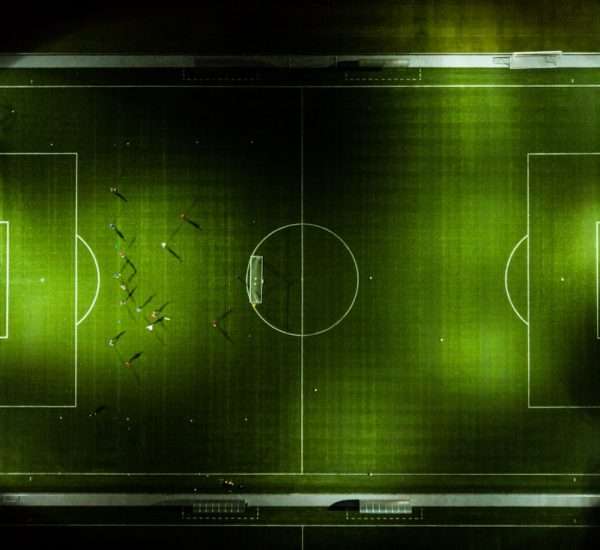
In modern NFL stadiums, the playing surface is more than a patch of grass or synthetic turf; it is a high-performance asset that affects player safety, game quality, broadcast presentation, and stadium revenue. Because football fields must withstand extreme weather, concerts, ceremonies, media setups, and repeated heavy use, stadium maintenance teams increasingly rely on automated NFL field protection systems to protect the surface before, during, and after major events.
TLDR: Automated NFL field protection systems help stadium crews protect turf from weather, foot traffic, equipment damage, and event-related wear. They reduce labor demands, improve response time, support player safety, and extend the life of the playing surface. These systems are especially important in NFL venues because fields must remain reliable under intense schedules, high visibility, and strict performance expectations.
What Are Automated NFL Field Protection Systems?
Automated field protection systems are technologies designed to shield, monitor, and preserve stadium playing surfaces with minimal manual labor. They may include motorized field covers, retractable turf protection panels, automated drainage controls, heating and cooling systems, moisture sensors, robotic tarp deployment, and smart monitoring platforms that track field conditions in real time.
In an NFL stadium, these systems are often integrated into a broader facility management plan. A maintenance team may use automated sensors to detect moisture levels, soil temperature, turf stress, or drainage issues. When a problem is detected, the system can alert staff or trigger a response, such as activating heating elements, improving airflow, or moving protective covers into place.
The goal is simple: protect the field quickly, consistently, and efficiently so that the stadium is always prepared for professional football and other events.
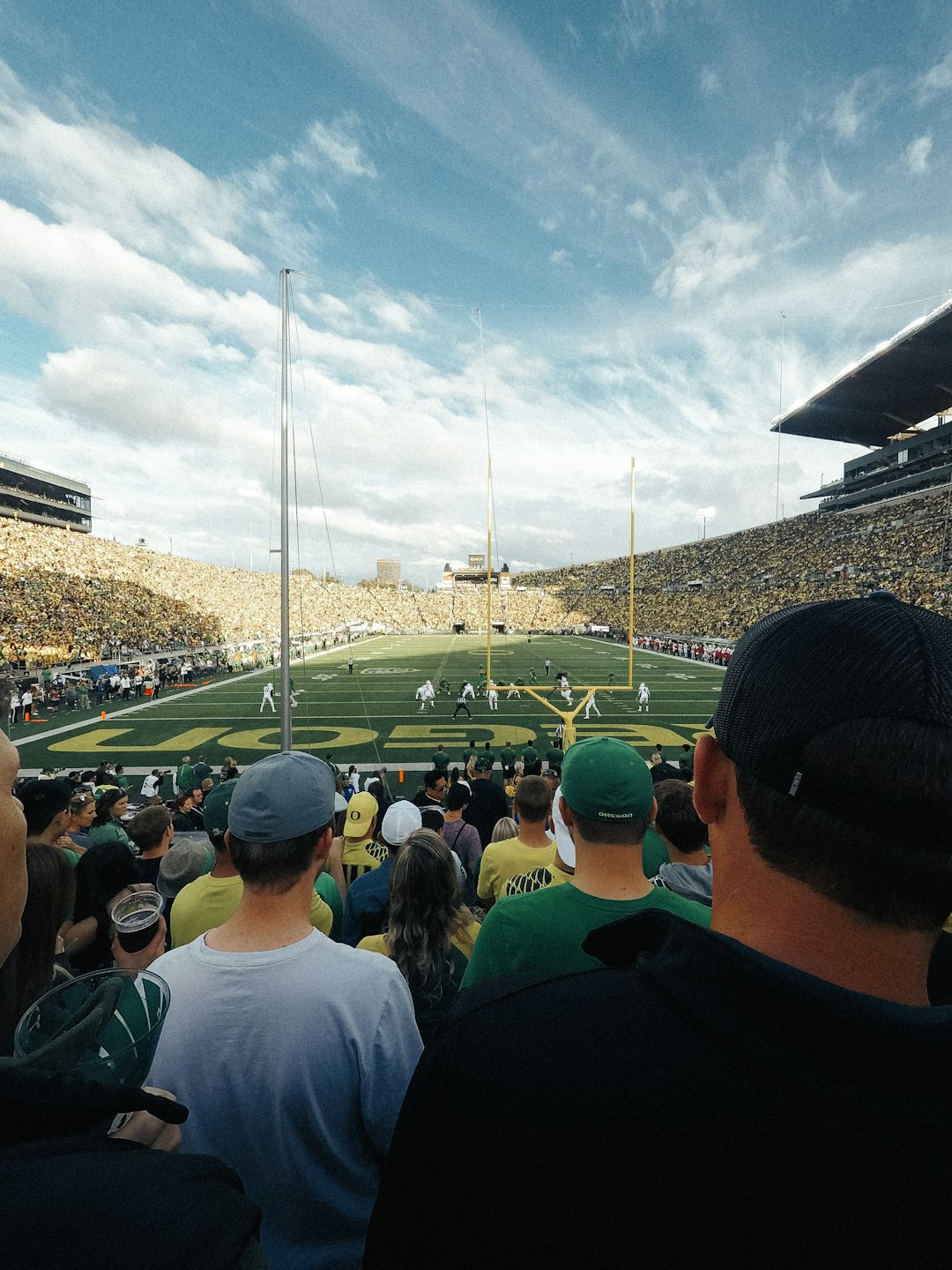
Why Field Protection Matters in NFL Stadiums
NFL fields are under constant pressure. A stadium may host regular season games, playoff games, college football events, international matches, concerts, corporate events, and community activities. Each event places different demands on the field. A concert stage may add thousands of pounds of weight to the surface. Heavy rain can saturate natural grass. Cold weather can freeze the root zone. Repeated player movement can create compaction, divots, and unstable footing.
Without proper protection, the field can deteriorate quickly. Damaged turf may lead to uneven surfaces, poor traction, and increased maintenance costs. In professional football, even small surface problems can become serious because athletes rely on predictable footing for sprinting, cutting, tackling, and landing safely.
Automated systems allow stadium operators to respond before minor problems become major failures. Instead of waiting for visible damage, these systems support preventive maintenance, which is often more effective and less expensive than emergency repair.
Improving Player Safety
One of the most important reasons automated field protection systems matter is player safety. NFL athletes perform at high speed and with intense physical contact. Field conditions directly affect traction, stability, and impact absorption. A surface that is too wet, too hard, too soft, or uneven can contribute to slips, falls, muscle strains, and joint stress.
Automated protection systems help maintain more consistent field conditions by:
- Preventing excess moisture from rain, snow, or poor drainage.
- Reducing surface compaction caused by heavy equipment and repeated traffic.
- Maintaining turf temperature in cold-weather stadiums.
- Protecting grass roots from damage during non-football events.
- Supporting even surface quality across the entire playing area.
When the field performs consistently, players can trust their footing. This does not eliminate the risks of football, but it helps reduce avoidable hazards related to poor surface maintenance.
Protecting the Field From Weather
Weather is one of the greatest challenges for stadium maintenance. NFL games are played in many climates, including cold northern cities, humid southern regions, coastal areas, and high-altitude locations. Rain, snow, heat, wind, and freezing temperatures can all affect field quality.
Automated field covers and smart drainage systems help stadium staff react quickly to changing weather. For example, if heavy rain is expected before a game, a motorized cover can be deployed faster and more evenly than a traditional manual tarp. If sensors detect water buildup beneath the surface, drainage systems can be adjusted to move water away before it creates puddling or soft spots.
In cold climates, automated heating systems can help prevent frozen turf and maintain a safer playing surface. In warmer climates, monitoring systems may help crews manage irrigation and cooling more precisely. This kind of control is especially valuable when the weather changes rapidly and the stadium has limited time before kickoff.
Image not found in postmeta
Reducing Labor and Improving Efficiency
Traditional field protection often requires large crews, long setup times, and physically demanding labor. Workers may need to pull heavy tarps, move protective flooring by hand, check drainage manually, or inspect the field repeatedly during changing conditions. While experienced grounds crews remain essential, automation helps them work more efficiently.
Automated systems can reduce the time needed to cover or uncover a field, monitor conditions, and respond to problems. Instead of relying only on visual inspection, staff can use data from sensors and control platforms. This allows maintenance teams to focus on skilled decision-making rather than repetitive manual tasks.
The efficiency benefits are especially important when stadiums host back-to-back events. For example, a venue may host a concert on Saturday and an NFL game on Sunday. In that situation, maintenance crews have a limited window to remove staging, inspect the turf, restore the field, paint markings, and prepare for broadcast requirements. Automated protection systems can make that turnaround more reliable.
Extending the Life of Natural Grass and Synthetic Turf
Whether a stadium uses natural grass, synthetic turf, or a hybrid system, the playing surface represents a major investment. Natural grass requires careful management of roots, soil, moisture, sunlight, and recovery time. Synthetic turf requires attention to infill depth, fiber condition, sanitation, and surface hardness. Both surfaces can be damaged by poor protection.
Automated field protection systems help extend surface life by limiting unnecessary stress. For natural grass, protective covers can reduce wear from foot traffic and equipment. Smart irrigation and moisture monitoring can prevent overwatering or drought stress. Heating and airflow systems can support root health in challenging conditions.
For synthetic turf, automated monitoring can help identify areas where infill has shifted or compaction has increased. Protective panels can distribute weight during concerts or large events, reducing the risk of crushed fibers or uneven surface deformation.
Longer surface life means lower replacement costs and fewer disruptions to the stadium calendar.
Supporting Multiuse Stadium Revenue
NFL stadiums are no longer used only for football. Many are designed as year-round entertainment venues. They may host concerts, soccer matches, college championships, motorsport events, festivals, and private functions. These events generate significant revenue, but they also create maintenance challenges.
Automated field protection systems make it easier for stadiums to accept more events without sacrificing field quality. Protective flooring can be deployed for concerts. Covers can shield turf from spills, debris, and equipment. Monitoring systems can track whether the field is being exposed to damaging heat or pressure for too long.
This balance is critical. A stadium operator wants to maximize revenue, but the NFL field must still be ready for game day. Automation helps protect that balance by making field conversion faster, safer, and more predictable.
Improving Consistency for Broadcast and Fan Experience
The condition of an NFL field is visible to millions of viewers. Broadcast cameras capture every worn patch, muddy area, loose seam, and divot. Fans in the stadium also notice whether the field looks professional and well maintained. A poor-looking surface can affect public perception of the team, stadium, and event management.
Automated protection systems help maintain a clean, consistent, game-ready appearance. They support healthier turf, better field markings, reduced weather damage, and faster recovery after events. This matters because NFL games are major entertainment productions as well as athletic contests.
A well-maintained field communicates professionalism. It shows that the venue is prepared, organized, and committed to quality.
Image not found in postmeta
Using Data for Smarter Maintenance Decisions
One of the strongest benefits of automation is access to data. Modern field protection systems can record information about moisture, temperature, surface hardness, drainage performance, turf stress, and environmental conditions. Over time, this data helps maintenance teams understand patterns and make better decisions.
For example, if one section of the field consistently retains water, the crew can investigate drainage or soil structure. If a high-traffic area shows early wear after concerts, protective flooring plans can be adjusted. If temperature readings show that certain zones freeze faster than others, heating strategies can be improved.
Data also helps stadium teams document field conditions. This can be useful for internal planning, league compliance, insurance discussions, and event scheduling. Rather than relying only on experience or opinion, maintenance managers can use measurable evidence to support decisions.
Lowering Long-Term Maintenance Costs
Automated systems may require a significant initial investment, but they can reduce long-term costs. Emergency turf repair, field replacement, overtime labor, event delays, and surface failures can be expensive. Preventing damage is often more economical than fixing it after the fact.
Cost savings may come from:
- Reduced labor hours for covering, uncovering, and inspecting the field.
- Fewer emergency repairs after storms or high-impact events.
- Longer turf lifespan through better protection and monitoring.
- Improved event turnaround with less downtime between uses.
- Lower risk of cancellations or delays caused by unsafe field conditions.
For large NFL venues, even small improvements in efficiency can have major financial value. The field is central to the stadium’s business model, so protecting it is a strategic investment.
Helping Grounds Crews Work More Strategically
Automation does not replace skilled groundskeepers. Instead, it gives them better tools. NFL field maintenance still requires expertise in turf science, equipment operation, weather planning, event logistics, and safety standards. Automated systems help crews apply that expertise more effectively.
With automation, grounds teams can spend less time on repetitive physical tasks and more time analyzing conditions, planning recovery, and improving field performance. This can also reduce worker fatigue during intense event schedules. When crews are supported by reliable systems, they can respond faster and with greater precision.
Conclusion
Automated NFL field protection systems are important because they help stadiums maintain safe, durable, and professional playing surfaces under demanding conditions. They protect against weather, reduce labor strain, extend turf life, and support the fast event turnarounds required by modern venues. Most importantly, they help ensure that athletes have a consistent surface and that stadiums can meet the expectations of teams, fans, broadcasters, and event partners.
As NFL stadiums continue to operate as large-scale entertainment centers, automated field protection will become even more valuable. The field is both a sports surface and a business asset, and automation gives maintenance teams the control needed to protect it.
FAQ
What is an automated NFL field protection system?
An automated NFL field protection system is a technology-based solution that helps cover, monitor, drain, heat, cool, or otherwise protect a stadium playing surface with reduced manual effort.
Why are these systems important for player safety?
They help maintain consistent footing, moisture levels, surface firmness, and overall field quality. A stable and predictable field can reduce avoidable risks caused by poor surface conditions.
Do automated systems work for both grass and synthetic turf?
Yes. Natural grass systems may focus on moisture, root health, and temperature, while synthetic turf systems may monitor compaction, infill movement, and surface wear.
How do automated field covers help during bad weather?
Motorized or automated covers can be deployed quickly before rain, snow, or freezing conditions damage the playing surface. They help keep the field drier, cleaner, and more game-ready.
Can automation reduce stadium maintenance costs?
Yes. Although installation can be expensive, automation may reduce labor costs, emergency repairs, turf replacement frequency, and event delays over time.
Are grounds crews still needed if a stadium uses automation?
Yes. Skilled grounds crews remain essential. Automation supports their work by providing better data, faster response options, and more efficient protection methods.
Why do multiuse stadiums need field protection systems?
Multiuse stadiums host concerts, events, and sports beyond NFL games. Field protection systems help prevent event-related damage while allowing the venue to maintain a busy schedule.