Website downtime is more than just an inconvenience—it can mean lost revenue, frustrated users, damaged credibility, and missed opportunities. Whether you’re running an eCommerce store, SaaS platform, blog, or enterprise application, consistent uptime is non-negotiable. That’s why uptime monitoring tools like UptimeRobot have become essential for modern website owners. They continuously check your site’s availability and instantly alert you if something goes wrong, giving you time to fix issues before they spiral out of control.
TL;DR: Uptime monitoring tools help you detect downtime fast, protect revenue, and maintain user trust. While UptimeRobot is popular, several powerful alternatives offer advanced features like server diagnostics, status pages, real user monitoring, and global testing nodes. In this guide, we explore four top tools—Pingdom, StatusCake, Better Stack, and Freshping—and compare their features so you can choose the best one for your needs.
Why Uptime Monitoring Matters
Every minute of downtime can impact business performance. For large eCommerce sites, even a few minutes offline can cost thousands of dollars. For startups and SaaS companies, service disruptions can erode trust and damage brand loyalty.
Here’s what effective uptime monitoring helps you achieve:
- Instant alerts when your website goes down
- Global monitoring from multiple locations
- Root cause analysis through detailed logs
- Performance tracking alongside availability checks
- Status page creation for transparent communication
If you already use UptimeRobot but need more flexibility, scalability, or feature depth, these alternatives are worth considering.
1. Pingdom
Pingdom is one of the most recognized names in the uptime monitoring space. Known for its user-friendly dashboard and powerful performance insights, Pingdom is ideal for businesses that want more than simple uptime alerts.
Key Features:
- Global uptime monitoring from 100+ locations
- Real user monitoring (RUM)
- Page speed analysis
- SMS, email, and push notifications
- Customizable alert thresholds
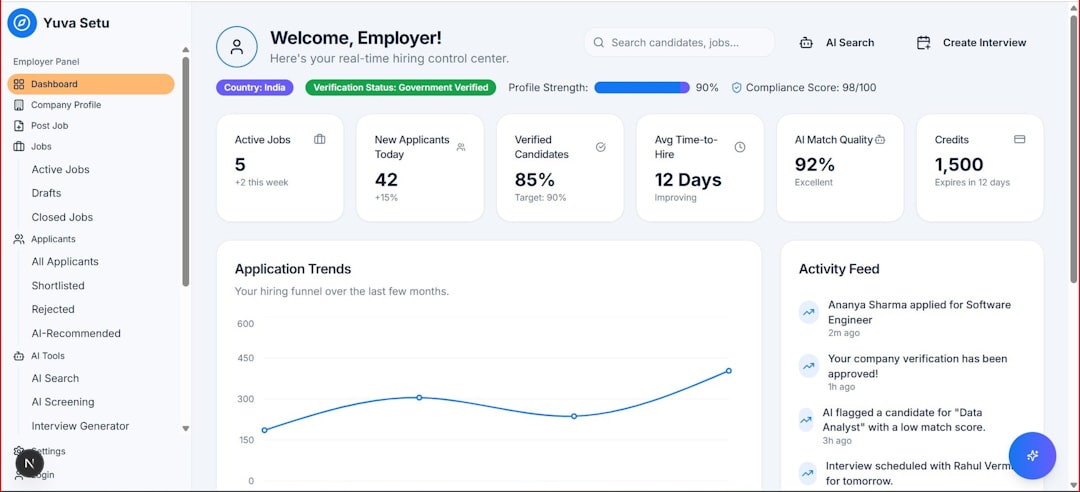
Unlike basic monitoring solutions, Pingdom combines uptime tracking with real-user data. This means you don’t just know if your site is up—you also understand how users experience performance in different locations.
Best For: Growing businesses and enterprises that require deep performance insights alongside uptime monitoring.
Pros:
- Intuitive user interface
- Detailed reporting and analytics
- Strong performance monitoring tools
Cons:
- More expensive than basic alternatives
- Advanced features may be excessive for small sites
2. StatusCake
StatusCake is a powerful alternative that balances affordability with robust features. It’s particularly known for its flexible monitoring configurations and strong global testing network.
Key Features:
- Uptime checks from 40+ global locations
- SSL monitoring
- Domain expiration tracking
- Speed testing
- Custom status pages
StatusCake offers customizable monitoring intervals and confirmation checks (double-check systems before alerting you to prevent false alarms). This feature reduces unnecessary stress caused by temporary spikes or brief connectivity issues.
Best For: Agencies, developers, and small-to-mid-sized businesses that manage multiple websites.
Pros:
- Affordable plans
- Reliable alerts with confirmation checks
- Strong SSL and domain monitoring
Cons:
- Interface less polished than some competitors
- Advanced reporting limited on lower-tier plans
3. Better Stack (formerly Better Uptime)
Better Stack combines uptime monitoring with incident management and infrastructure monitoring, making it more comprehensive than many traditional uptime tools.
It is particularly appealing for DevOps teams that need workflow automation when incidents occur.
Key Features:
- Global monitoring with fast check intervals
- Incident management tools
- On-call scheduling
- Public and private status pages
- Log management integration
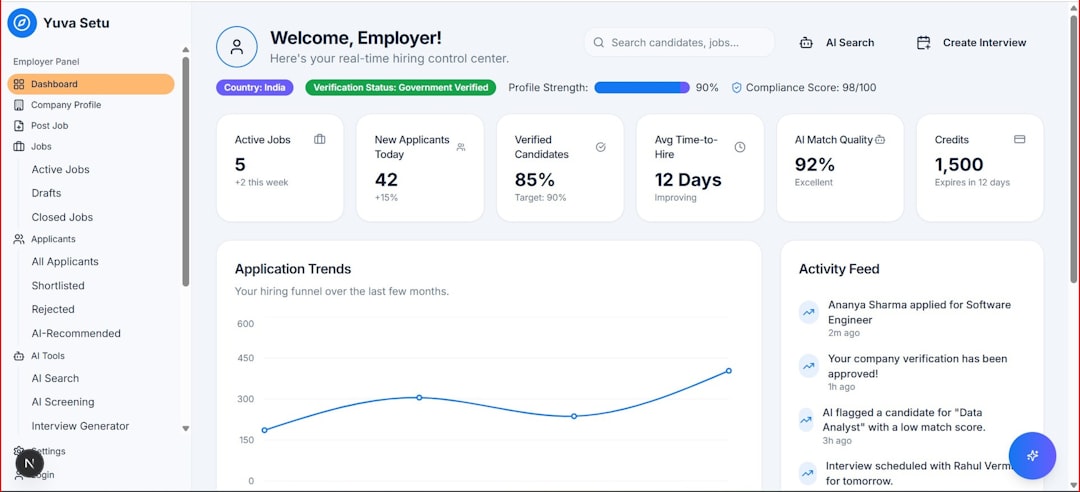
What stands out about Better Stack is how it integrates downtime detection with response systems. Instead of just alerting you, it can trigger escalation policies and wake the right team member based on schedules.
Best For: DevOps teams, SaaS providers, and tech startups requiring automation and team coordination.
Pros:
- Powerful incident response tools
- Modern and clean interface
- Flexible integrations
Cons:
- May be overkill for simple personal websites
- Learning curve for advanced features
4. Freshping
Freshping, developed by Freshworks, is a simple yet capable uptime monitoring tool. Its standout feature is the generous free plan, making it appealing for startups and small projects.
Key Features:
- 50 free monitors on the basic plan
- Global monitoring locations
- Status page creation
- Instant alerts
- Historical uptime reports
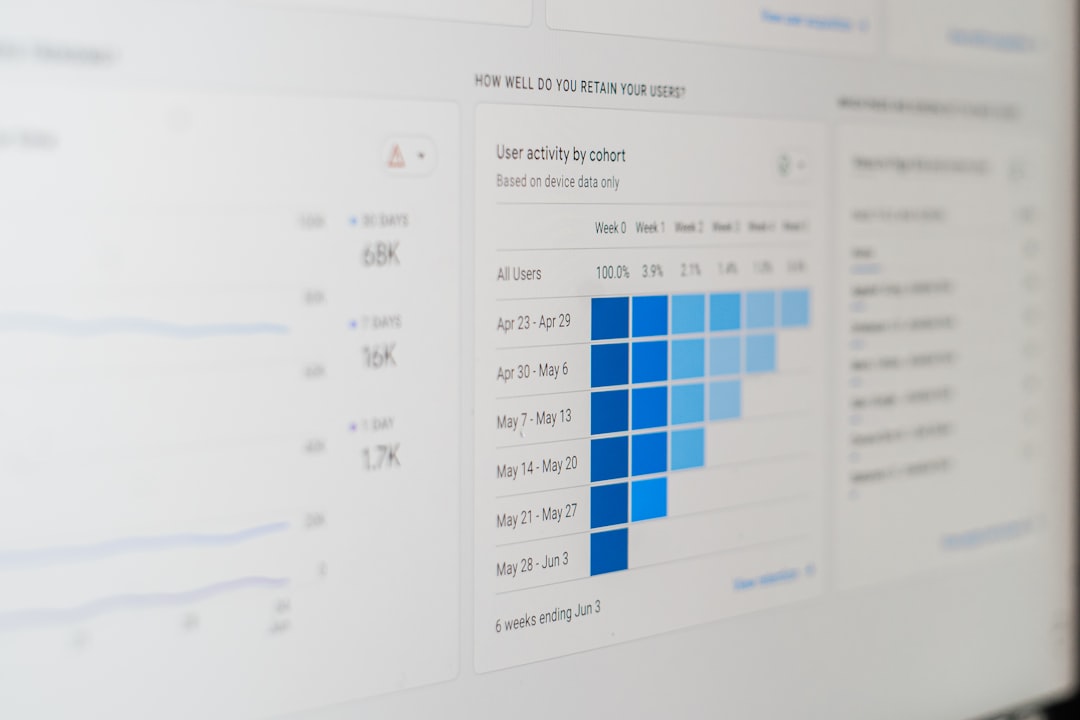
Freshping keeps things straightforward. It doesn’t overwhelm users with complex analytics, which makes it easy to set up and start monitoring within minutes.
Best For: Freelancers, bloggers, and early-stage startups seeking no-cost monitoring.
Pros:
- Generous free plan
- Simple setup
- Clean dashboard
Cons:
- Fewer advanced DevOps tools
- Limited deep analytics compared to enterprise tools
Comparison Chart
| Tool | Best For | Global Monitoring | Status Pages | Advanced Features | Pricing Level |
|---|---|---|---|---|---|
| Pingdom | Enterprises & growing businesses | 100+ locations | Yes | Real user monitoring, performance metrics | Premium |
| StatusCake | Agencies & developers | 40+ locations | Yes | SSL monitoring, domain tracking | Mid-range |
| Better Stack | DevOps & SaaS teams | Multi-region | Yes | Incident management, log integration | Mid to Premium |
| Freshping | Startups & freelancers | Global locations | Yes | Basic uptime reporting | Free to Low |
How to Choose the Right Monitoring Tool
When evaluating uptime monitoring tools, consider these factors:
- Monitoring Frequency: How often are checks performed? Every 30 seconds, 1 minute, or 5 minutes?
- Alert Channels: Email, SMS, Slack, PagerDuty, phone calls?
- False Alert Prevention: Does it verify downtime from multiple locations?
- Scalability: Can it grow with your traffic and infrastructure?
- Ease of Setup: Is the dashboard intuitive?
If you’re running a simple personal blog, a lightweight solution like Freshping may be entirely sufficient. If you’re operating a SaaS product with strict service-level agreements, Better Stack or Pingdom may be a safer long-term investment.
Final Thoughts
Uptime monitoring is not a luxury—it’s a necessity. In today’s always-online world, users expect your website or service to be available 24/7. Even short outages can harm your brand and your bottom line.
While UptimeRobot remains popular, alternatives like Pingdom, StatusCake, Better Stack, and Freshping offer compelling features that may better suit your business model and growth plans.
The best tool ultimately depends on your needs:
- Choose Pingdom for performance-focused monitoring.
- Choose StatusCake for balanced affordability and flexibility.
- Choose Better Stack for DevOps-driven incident management.
- Choose Freshping for simple, generous free monitoring.
No matter which platform you select, implementing uptime monitoring today ensures that you’re the first to know when something breaks—and the first to fix it.