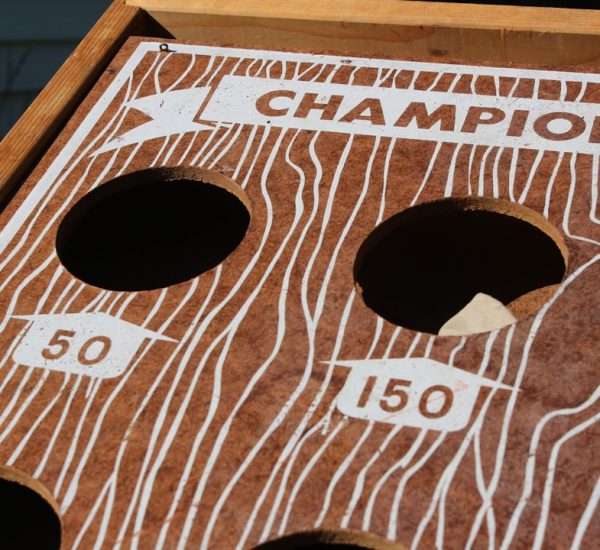
Cornhole is simple in concept, yet the details matter more than many players realize. From backyard barbecues to competitive league play, one of the most common questions asked by new and experienced players alike is how far apart cornhole boards are supposed to be. The correct distance directly affects fairness, consistency, and overall gameplay quality. Whether you’re setting up for a casual afternoon match or preparing for tournament-level competition, understanding official spacing standards ensures the game is played correctly and enjoyably.
TL;DR: Official cornhole boards should be placed 27 feet apart from front edge to front edge in standard competitive play. This equals 33 feet from back edge to back edge. For casual games or younger players, shorter distances such as 15–21 feet are commonly used. Accurate measurement improves fairness, safety, and overall gameplay experience.
Official Cornhole Board Distance
According to the official regulation standards set by the American Cornhole League (ACL) and American Cornhole Organization (ACO), cornhole boards should be positioned 27 feet apart from the front edge of one board to the front edge of the other. This measurement is considered the official competitive distance for adult play.
Because regulation cornhole boards are 4 feet long, this means the boards are 33 feet apart from back edge to back edge. While both measurements are technically accurate, official rules always reference the front-to-front distance.
This spacing standard ensures consistent gameplay across tournaments and leagues nationwide. Even minor deviations from this regulation can noticeably affect throwing technique and scoring difficulty.
Why 27 Feet Is the Standard
The 27-foot distance is not arbitrary. It has been tested and adopted over time to create a balanced level of difficulty. At this distance:
- The throw requires skill and accuracy without being overly difficult.
- Strategy becomes a meaningful factor in gameplay.
- The game remains engaging for both beginners and experienced players.
- Scoring opportunities are fair for both competitors.
Shorter distances make the game significantly easier, increasing the frequency of bags landing on the board or going through the hole. Greater distances, on the other hand, raise the difficulty level substantially and can discourage casual participants.
Distance for Casual and Recreational Play
Not every game of cornhole is played under tournament conditions. In backyard settings, at schools, or during tailgates, adjusting the distance often makes sense.
Here are commonly used alternative distances:
- 21 feet: A common compromise distance for smaller yards or mixed-skill groups.
- 18 feet: Ideal for teenagers or beginner adults.
- 15 feet: Suitable for children or indoor setups.
While these relaxed distances are perfectly acceptable for recreational play, it is important to communicate the agreed-upon measurement before starting the game. This ensures fairness and avoids disputes later.
How to Properly Measure the Distance
Accurate measurement is essential, particularly if you aim to replicate tournament conditions. To ensure precision:
- Place the first board on flat ground.
- Measure 27 feet from the front edge of that board.
- Position the front edge of the second board at that exact point.
- Check that the boards are directly aligned and centered with one another.
Use a reliable measuring tape rather than estimating with steps or visual approximation. Even a difference of one or two feet can noticeably change gameplay dynamics.
Image not found in postmetaAdditionally, make sure the playing surface is level. Slanted or uneven ground can alter bag behavior and create unfair advantages.
Indoor vs. Outdoor Setup Considerations
The distance standard remains the same indoors and outdoors, but the environment affects setup considerations.
Outdoor Play
- Ensure stable footing on grass, dirt, or pavement.
- Avoid windy areas whenever possible.
- Confirm there is sufficient space behind each board for player movement.
Indoor Play
- Ceiling height should allow comfortable throwing arcs.
- Floor surface should prevent board sliding.
- Protect surfaces from potential scuff marks.
Regardless of location, maintaining proper spacing is critical to preserving the integrity of the game.
Youth and Adaptive Play Distances
Cornhole’s popularity spans all age groups, and modifying the distance for youth or adaptive play ensures accessibility. For children under 12, distances between 12 and 18 feet are common. The focus at this level is skill development, hand-eye coordination, and enjoyment.
For adaptive players, the board distance may vary depending on physical ability. The goal is inclusion while maintaining structured guidelines agreed upon before play begins.
In organized youth leagues, officials often standardize reduced distances to maintain consistency across matches.
Pitcher’s Box and Player Positioning
Board distance is only part of correct setup. Players must also stand within the designated pitcher’s box while throwing. The pitcher’s box runs along the side of each board and measures:
- 4 feet in length (equal to the board length)
- 3 feet in width
The thrower must release the bag before stepping past the front edge of the board. Stepping over this plane constitutes a foul.
Maintaining proper positioning in combination with correct board spacing ensures adherence to official standards.
Impact of Distance on Skill and Strategy
The 27-foot distance significantly shapes how the game is played. Skilled players rely on different throwing techniques depending on board spacing:
- Slide shots: Throwing the bag to land short and slide upward into the hole.
- Airmails: Tossing the bag directly into the hole without touching the board.
- Block shots: Strategically placing bags to obstruct an opponent’s scoring angle.
At shorter distances, block shots become more dominant and airmails easier. At regulation distance, precision and consistent release mechanics become far more critical.
This balance is why tournament organizers adhere strictly to official spacing: it ensures fairness and emphasizes skill rather than convenience.
Common Mistakes When Setting Up
Many casual setups contain measurement errors that change gameplay more than participants realize. Common mistakes include:
- Measuring from back edge instead of front edge.
- Positioning boards slightly angled rather than fully parallel.
- Failing to re-measure after boards shift during play.
- Eyeballing the distance rather than using a measuring tape.
Boards can shift slightly after repeated impacts, especially on grass. Periodically double-check alignment if playing competitively.
Does Skill Level Change the Regulation Distance?
In official competition, the answer is no. Professional, advanced, and intermediate adult divisions all use the same 27-foot front-edge measurement. Skill differences are reflected in technique, shot selection, and consistency—not altered distances.
However, in training scenarios, some players practice from slightly longer distances to improve strength and accuracy. When they return to regulation spacing, the standard 27 feet often feels more manageable.
Why Consistency Matters
Cornhole may appear casual, but consistent setup enhances legitimacy and player satisfaction. Accurate board spacing:
- Ensures competitive integrity.
- Allows fair comparison of skill levels.
- Prevents unnecessary disputes.
- Improves long-term skill development.
For leagues and backyard tournaments alike, consistency builds credibility.
Quick Reference Guide
- Official adult distance: 27 feet (front edge to front edge)
- Back edge distance: 33 feet
- Common recreational distances: 18–21 feet
- Youth distance: 12–18 feet
- Board size: 2 feet wide by 4 feet long
Final Thoughts
The correct distance between cornhole boards is more than just a number—it defines the structure and fairness of the game. In official settings, the boards must be placed 27 feet apart from front edge to front edge to meet regulation standards. While casual players may shorten the distance for convenience or inclusivity, maintaining accurate spacing ensures a more consistent and rewarding experience.
Whether you’re organizing a tournament, hosting a backyard gathering, or practicing competitively, taking the time to measure exactly 27 feet demonstrates respect for the game and for fellow players. In cornhole, as in many sports, precision in setup lays the foundation for genuine skill to shine.